

Switch Bioworks is testing microbial fertilizer in Midwest corn fields. The trials will show whether engineered microbes can support nitrogen delivery at scale.
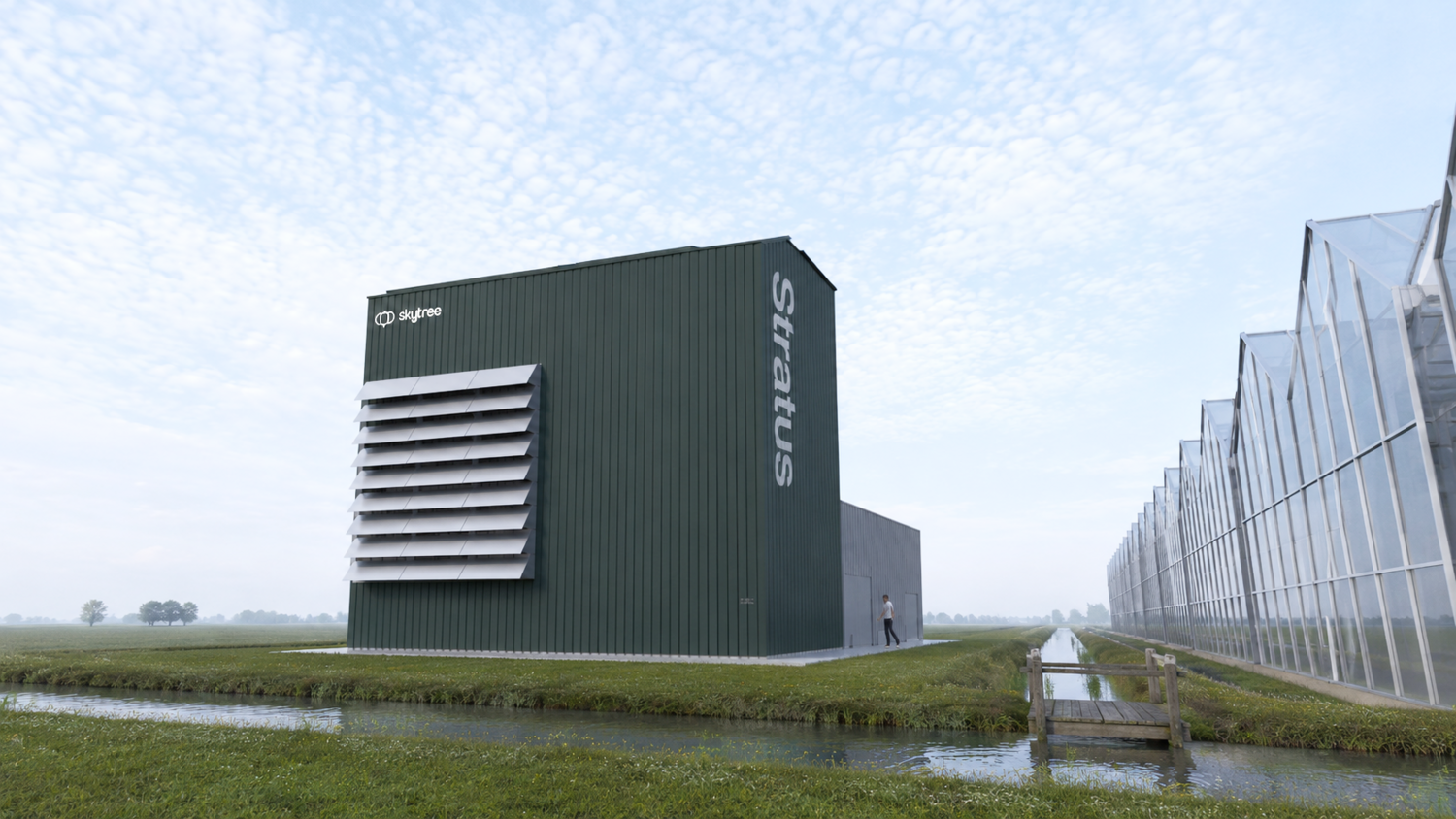
Skytree and Lingezegen Energy are bringing direct air capture into Dutch greenhouses. The project could make fossil-free CO₂ a practical crop input.

The East African Crude Oil Pipeline is 80 percent complete, with first oil exports targeted for October. The final river and wetland crossings now underway are, by the project's own assessments, the most ecologically consequential phase — and the damage, once done, cannot be undone.

Contrails.org has launched open data for airlines. The tool shows where contrails form, helping teams target warming cuts without sweeping fleet changes.
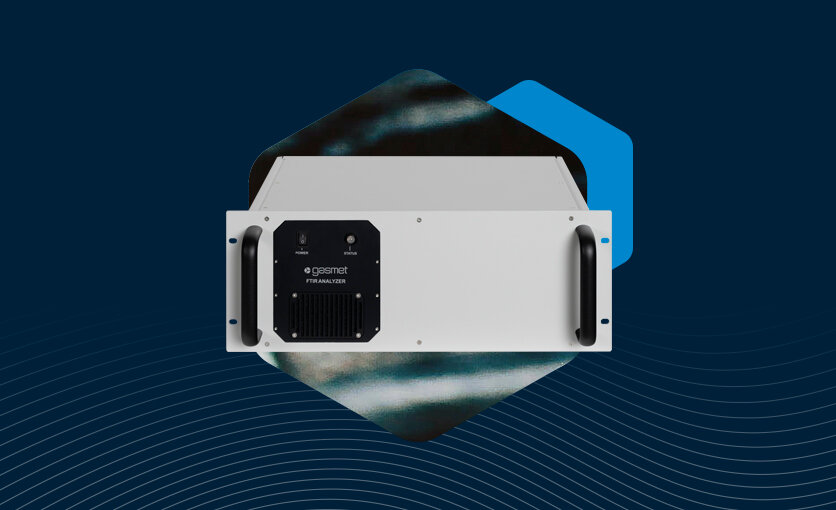
Gasmet’s GT7000 Tellus brings multi-gas FTIR analysis to fixed setups. It supports teams tracking emissions, CO₂ purity and process change.

The fifth annual Alaska Sustainable Energy Conference closed in Anchorage on May 21 with the clearest public accounting yet of where the Alaska LNG project actually stands.

PIMCO's 2025 Sustainable Investing Report covers $645B in sustainability strategies, 1,300-plus corporate engagements, and expanded ESG and climate frameworks across fixed income.

House FY2027 energy and water bill advances at $58.5B, cutting grid and clean energy programs sharply while boosting nuclear defense and water infrastructure.

Aging wells often move to smaller operators. New research says these transfers could leave cleanup costs harder to fund.

A new electrified cement process could cut energy use and emissions. Using waste cement as feedstock, UBC researchers report a possible circular route.

The Hormuz closure did not create new risk in corporate energy portfolios. It made visible the risk that was already priced at zero.

Project Jupiter is moving to a fuel cell microgrid. The shift highlights how AI data centers are rethinking power, water and local impact.

Bridgestone and Penske tested lower-emission fleet strategies over 500,000 miles. Results show tire, fuel and routing changes can deliver near-term cuts.

BioMADE is backing 14 projects with $21.4M in funding. The focus is practical: recover critical materials, improve bio-based production and train workers.
ETI has launched a hydrogen truck for long-haul freight. It tests whether fuel cells can handle payload, range, and refueling limits at scale.

Battery risks are rising in hazardous settings as systems scale. Intrinsically safe monitoring helps reduce exposure and improve uptime.

LNG deliveries are reshaping Puerto Rico’s energy mix with steadier supply. The shift is improving grid reliability while lowering emissions.

Gas bills are rising faster than inflation, driven by infrastructure costs. Businesses face growing pressure to rethink energy strategy.

Chipmakers are rethinking hydrogen waste as new purification tech lowers costs. Recycling could improve efficiency while easing supply pressures.

Used cooking oil is now a target as biofuel demand surges. Theft is disrupting supply chains and costing restaurants and recyclers millions.