
Ukraine secures over $327M to rebuild its energy sector, with EU and partner support targeting resilience, renewables, and green infrastructure.

Fusion energy just hit net gain. With AI-driven engineering, the path to scalable, clean power is closer than ever—if industry stays invested.
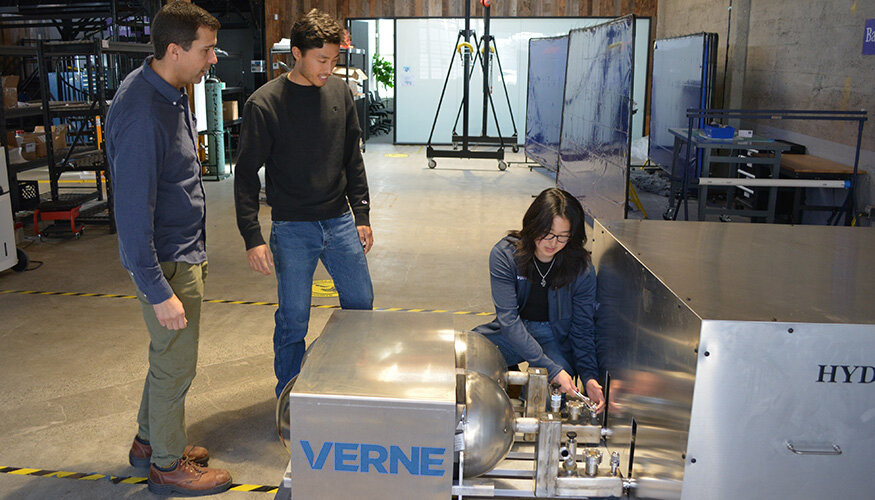
A breakthrough from LLNL and Verne improves hydrogen storage by cutting energy costs and boosting density, making distribution more efficient.
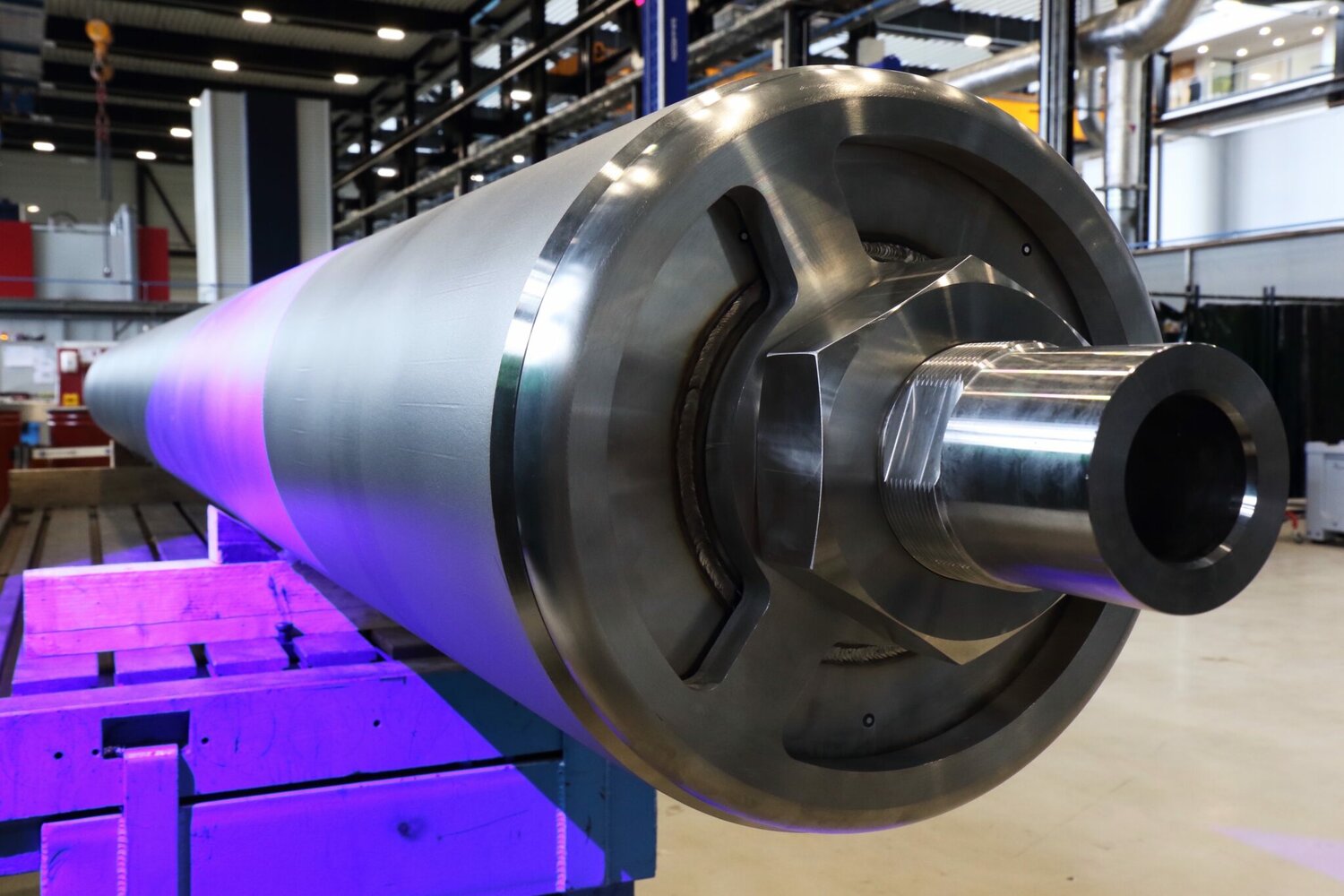
A UK-backed project has validated deep borehole disposal for nuclear waste, improving safety, scalability, and manufacturability.
AI-driven power demand, nuclear revival, hydrogen breakthroughs, and energy shifts—February 2025’s top 10 stories reveal the future of energy tech.
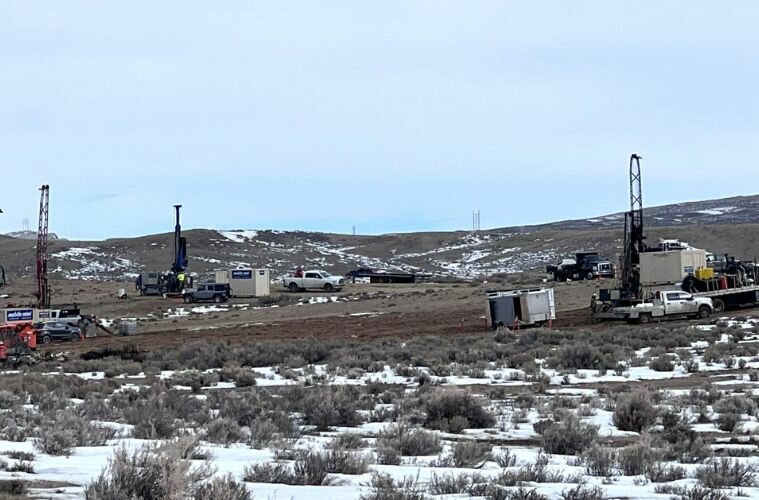
Wyoming’s SF0186 sets new regulations for storing spent nuclear fuel, supporting advanced reactor development and aligning with U.S. clean energy goals.

Texas A&M announces plan to drive the future of nuclear energy with SMRs, partnering with top companies to boost power for key industries.

China’s EAST reactor set a new fusion record, sustaining plasma for 1,066 seconds. This milestone brings commercial fusion energy closer.
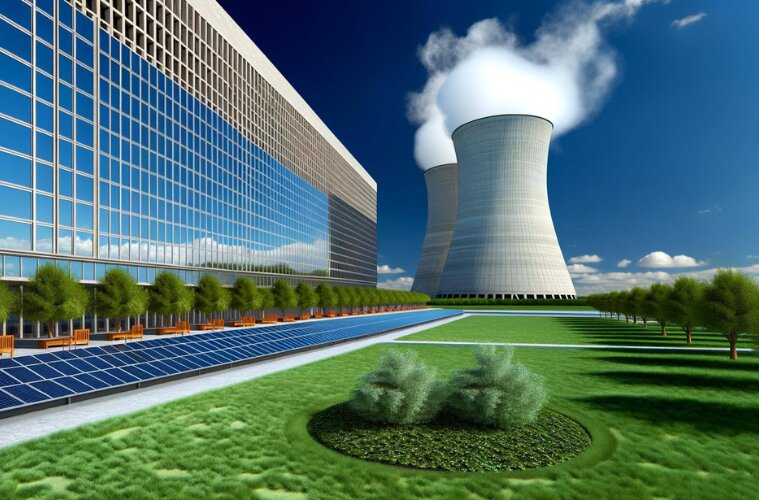
Federal agencies adopt a bold approach to secure stable, carbon-free power for the next decade.
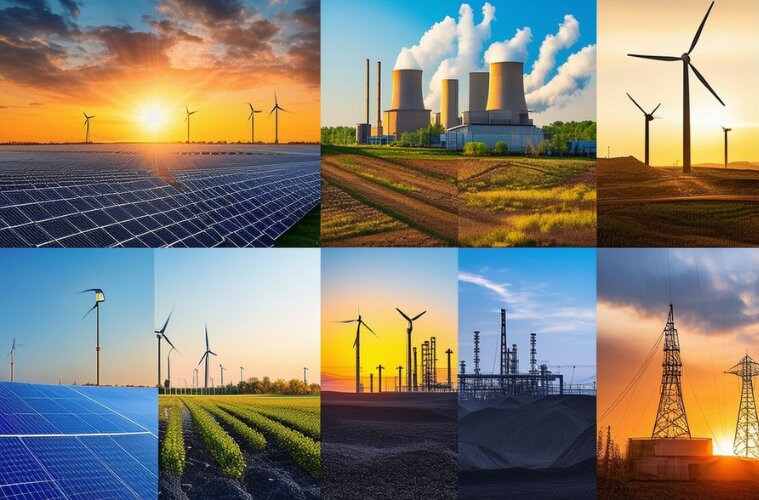
Exploring the major energy sources in the United States and analyzing their impact on sustainability, focusing on reducing the carbon footprint through clean energy initiatives.

Data centers now consume 3% of U.S. energy—a figure set to triple by 2030—driving unprecedented demand, price surges, and urgent calls for infrastructure upgrades.

As the world races to combat climate change and transition to sustainable energy systems, nuclear power emerges as a cornerstone of low-carbon energy.

Advancements in AI and high-performance computing are fast-tracking fusion energy development, optimizing reactor designs and bringing commercial fusion closer than ever.
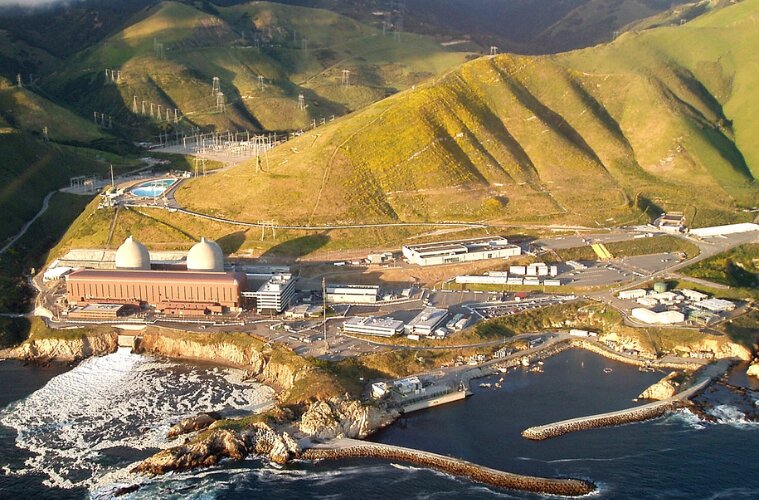
PG&E’s Diablo Canyon Power Plant becomes the first U.S. nuclear facility to deploy AI on-site, transforming data management and operational efficiency.

Türkiye’s energy strategy aims to achieve net-zero emissions by 2053 through aggressive renewable energy expansion, grid modernization, and green hydrogen investments.
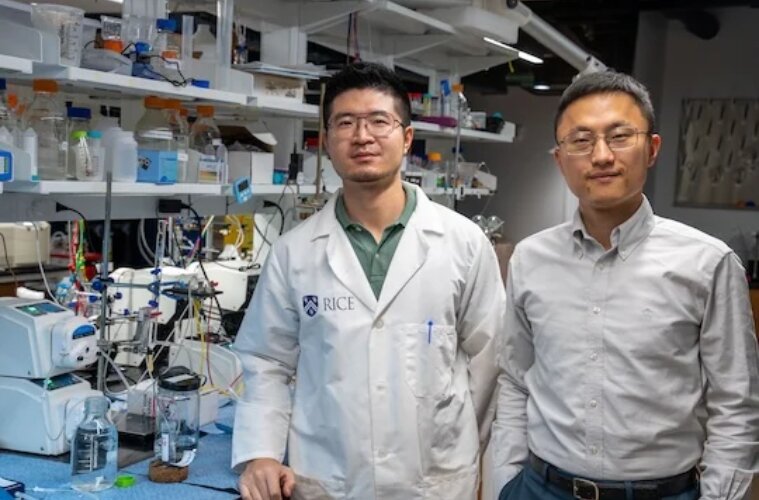
Electrochemical carbon capture technology at Rice University promises an efficient, scalable approach to meet industrial net-zero goals.
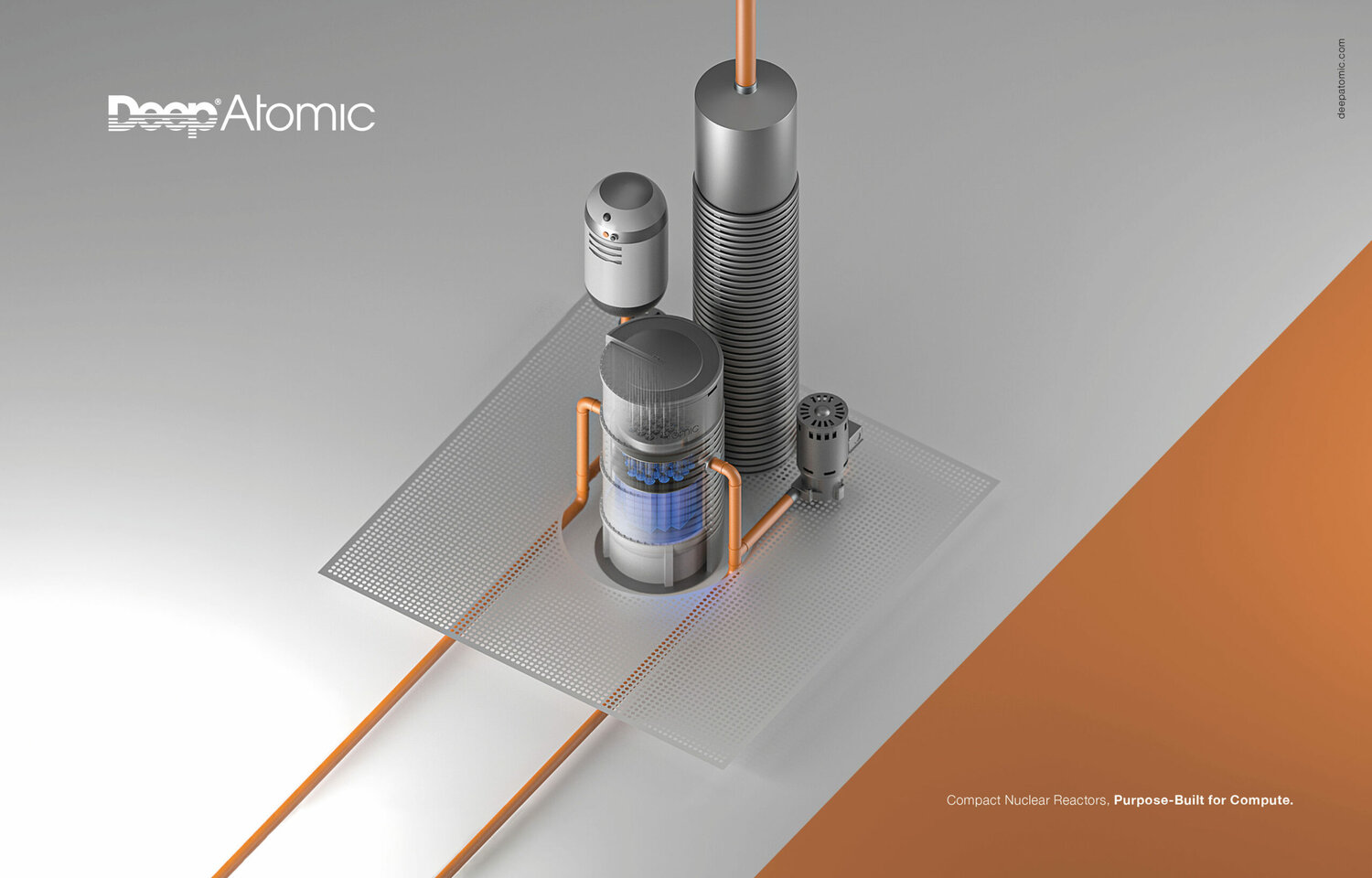
Deep Atomic's new MK60 reactor aims to solve data centers’ growing energy crisis by delivering 60 MW of reliable, zero-carbon power.
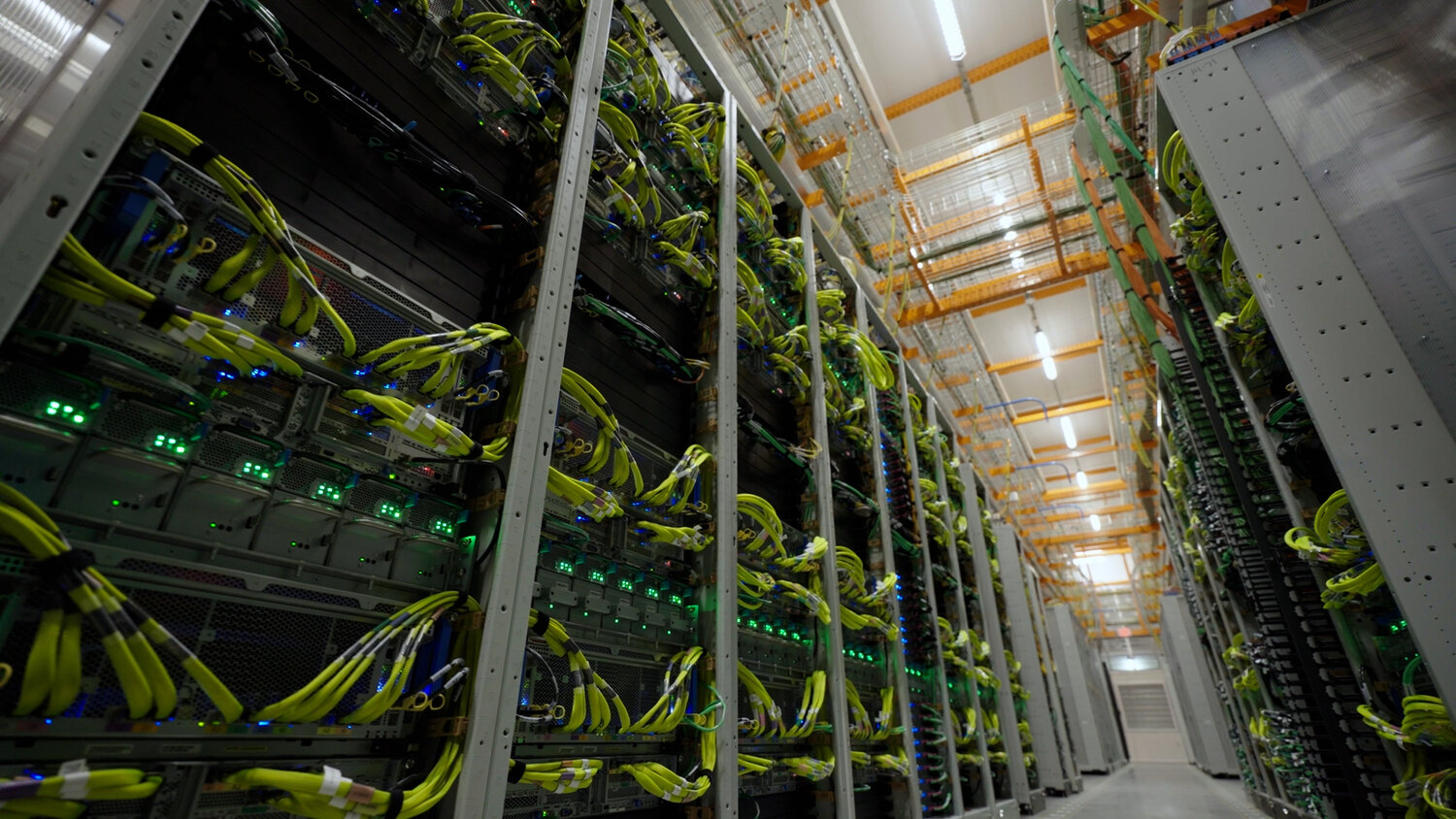
As part of its commitment to achieving net-zero carbon emissions by 2040, Amazon has signed three agreements to develop Small Modular Reactors (SMRs).

In a bid to meet rising energy demands, Google recently announced a deal to source power from small modular nuclear reactors (SMRs) by 2030. This marks a first-of-its-kind move, aimed at powering its …

In a move that revives a dormant nuclear site, Constellation Energy plans to restart the Three Mile Island Unit 1 reactor, aligning with DOE findings that encourage expanding nuclear capacity at existing and retired sites.