

An Oregon lawsuit over nitrate contamination is drawing attention to how industrial wastewater partnerships can create direct legal and compliance exposure.

Across blue and red states, grid congestion, water law, and system limits are rewriting growth timelines.

Dubuque is piloting organic land care in Jackson and Washington Parks. The project shifts focus to soil health, aiming to cut chemicals and boost resilience.

State bills like Virginia’s HB 277 streamline wireless infrastructure approvals—but omit health concerns. Here’s why federal law keeps RF exposure out of state legislation.

As infrastructure, energy, and compliance pressures intensify, demand is rising for engineers trained to operate across sustainability, policy, and execution.
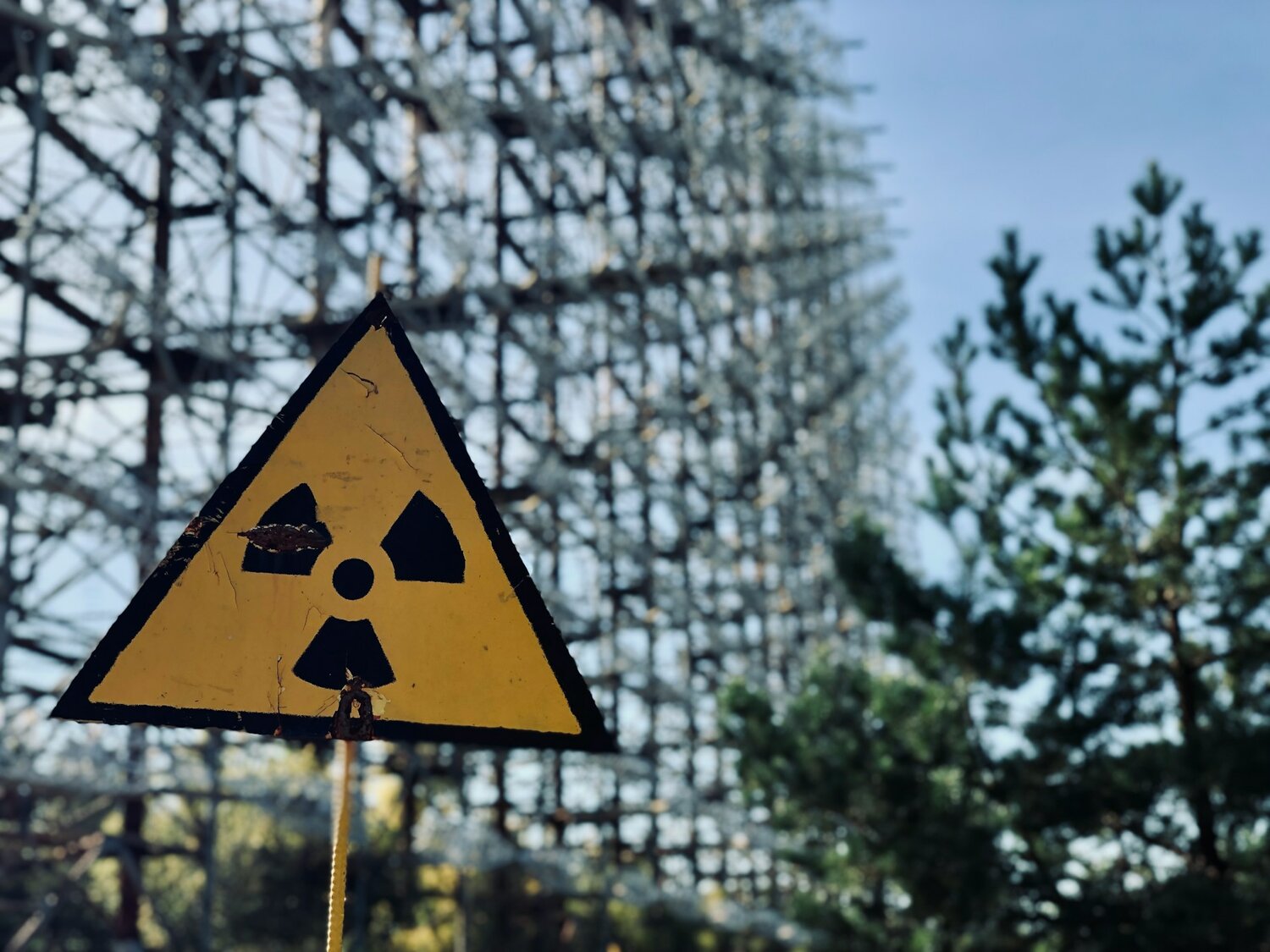
Security guards at Plant Vogtle have filed for a union decert vote. The outcome could reshape how labor representation works at high-security facilities.

AVAIO is building a $6B data hub outside Little Rock with plans to reach 1GW capacity. The site merges power, land, and compute to support AI infrastructure growth.

A California appeals court ruled that Citgo can be sued in state court over climate claims, reversing a lower court decision on jurisdiction.

Intel’s latest disclosures show how treating water, air, and chemical compliance as fixed planning inputs—rather than afterthoughts—can reduce regulatory volatility and execution risk.

Meta’s nuclear agreements, totaling up to 6.6 GW, highlight how AI-driven data center growth is pushing companies to secure long-term, reliable power amid grid constraints.

RESA Power has acquired 3MD Power Services, strengthening its high-voltage transformer capabilities and expanding service reach across the South Atlantic.

Shifting focus from long-term targets to immediate climate impacts, highlighting infrastructure strain, energy costs, and public health risks.

Consumers Energy has energized its biggest solar site yet in Muskegon, adding 250 MW of capacity as part of a broader shift to utility-scale renewables.

USDA is urging whole, nutrient-dense foods—but PFAS contamination remains an unresolved risk for U.S. farmers and the food supply.

Nuclear startup AMPERA launches from stealth in South Florida. Its new HQ aims to power data centers, defense systems, and critical infrastructure.

Rhode Island will use $156 million in federal funding to expand digital health infrastructure, Hospital at Home programs, and AI-supported care coordination in rural communities.

Indiana lawmakers introduced a bill that would tighten utility oversight, restrict cost recovery through rates, and expand reporting and disclosure requirements.
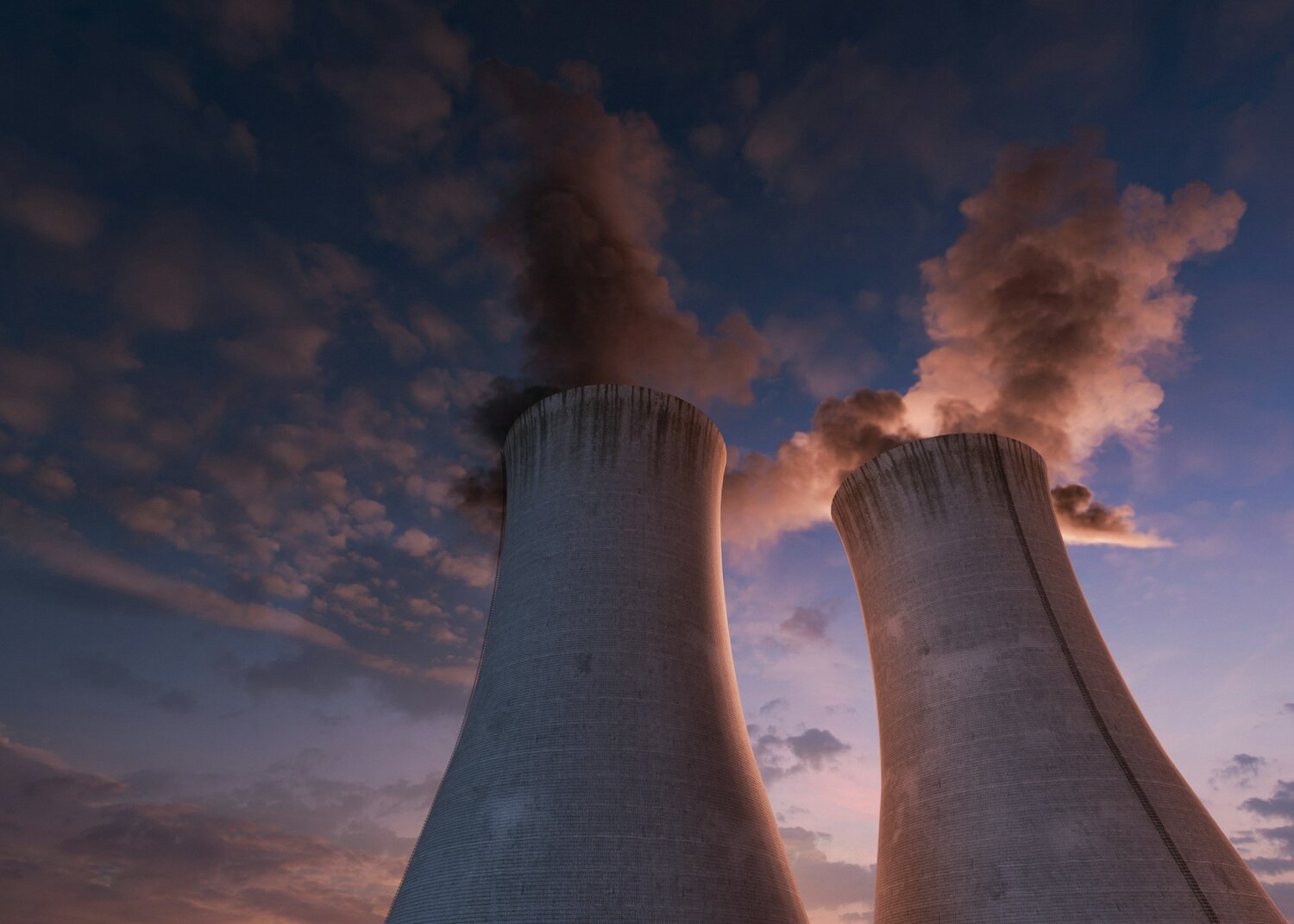
Denison’s Phoenix project is on track for a 2026 construction start. With major planning complete, it could be Canada’s next uranium mine by 2028.

Interconnection reforms and operator data reveal how grid congestion is reshaping project economics, contracts, and delivery risk heading into 2026.

Duke Energy has submitted an early site permit application to the NRC for potential nuclear development near Belews Creek in North Carolina.