

A new hydrogen sensor improves accuracy in high humidity by using water vapor in its detection process. It’s a practical step forward for hydrogen safety.

Water is no longer just an infrastructure issue. A new national strategy frames water security as central to U.S. economic growth and competitiveness.

Water utilities face a wave of retirements and rising tech demands. A free online program is building a new talent pipeline for essential water careers.

A new assessment of Odisha’s power system shows how repeated cyclones expose infrastructure vulnerabilities, recovery limits, and the role of operational preparedness in resilience.

Maryland’s SB 688 would restrict how stream restoration projects count toward stormwater and pollution-reduction compliance.

A hydrogen air heater is now live at an industrial site in Offenbach. HYTING’s system tackles heat spikes without combustion or costly electric upgrades.

NYPA’s AGILe joins DOE’s grid test bed inventory, expanding national access to system-level grid testing and digital twin capabilities.

Building upgrades are moving faster than grid and water infrastructure can expand—creating a growing capital risk few models fully capture.

A national study finds PFAS in landfill gas at levels matching leachate. Air emissions may be an overlooked pathway with major regulatory impact.

As digital energy demand accelerates faster than grid expansion, demand response and storage are emerging as core tools to manage peak exposure, costs, and execution risk.

AI and cloud growth are accelerating faster than energy planning can adapt. The result is rising costs, delayed deployments, and climate targets under pressure.

U.S. electricity use is rising fast—and servers, not homes, are driving it. Data centers are shifting the grid's growth, geography, and load patterns.

A federal appeals court rejected challenges to FERC’s long-standing oil pipeline valuation model.

Supply pressure and permitting constraints are driving renewed interest in wastewater and by-product streams as supplemental sources of recoverable materials.
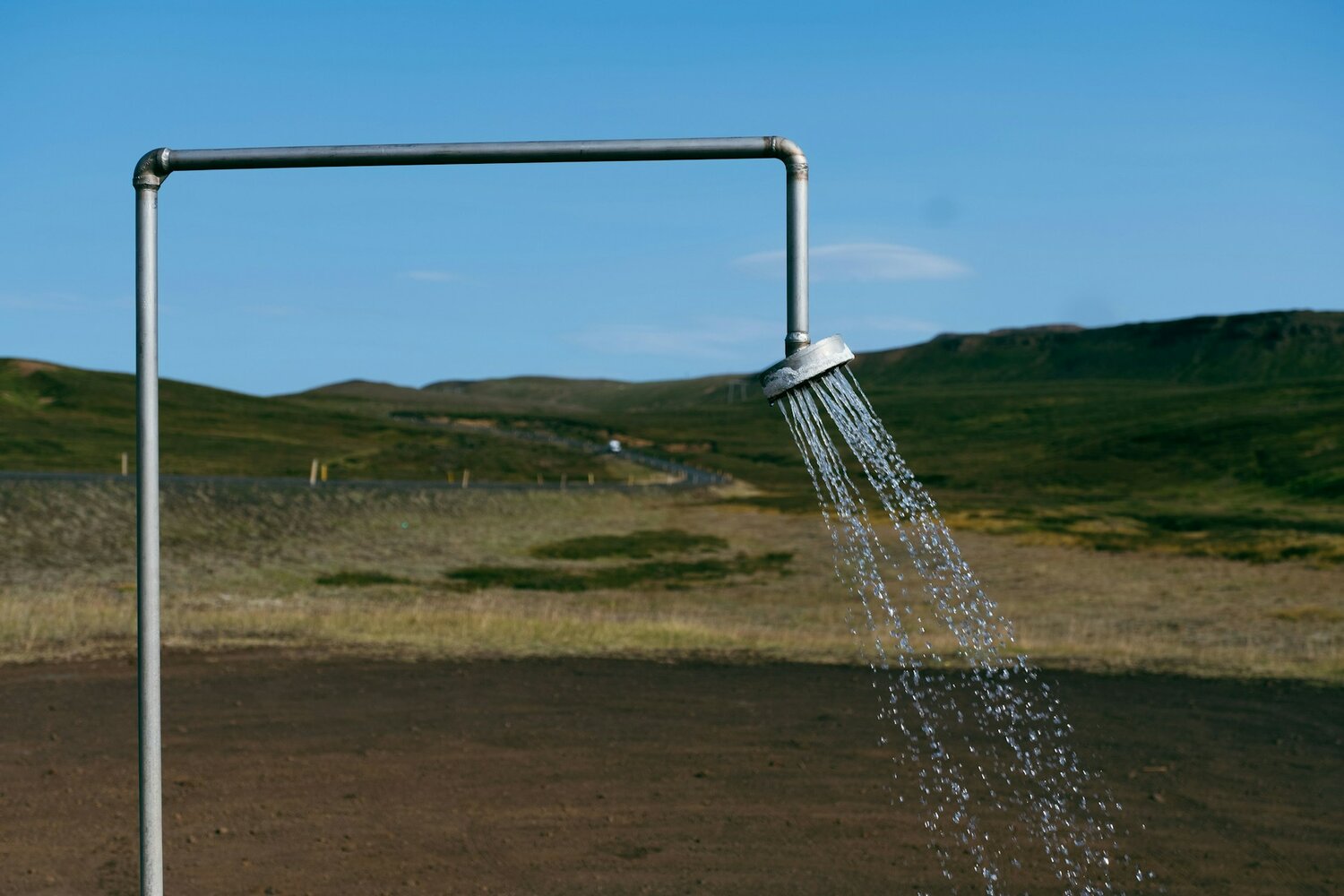
Water is now a strategic risk, not just a utility. A new index from Ecolab and CDP offers companies a way to measure and manage water use with real benchmarks.

Pepper Construction turned a vacant 1912 factory into a net-zero HQ. The project proves deep energy retrofits can work—even in aging industrial buildings.

The UK’s vape ban cut disposables, but fire risks are rising. Rechargeable vapes, often binned with charge, are igniting in trucks and recycling sites.

Climate disasters are triggering insurance premium shock, signaling rising operational risk before policy, enforcement, or capital markets adjust.

Emergency orders are no longer rare responses. As infrastructure strain persists, temporary measures are becoming operational norms—with implications for planning and risk.

Wisconsin extended its energy emergency through early February as pipeline disruptions and winter demand continue to strain heating fuel deliveries statewide.