

Coral reefs are declining at an alarming rate worldwide. New efforts in East Africa show how partnerships and technology can deliver measurable restoration.

Marine protected areas face rising pollution threats from land. Without wastewater control, ocean protection targets risk falling short.

NOAA reopens Atlantic monument waters to commercial fishing, boosting U.S. seafood supply while raising environmental and legal concerns.

Underwriters are using real-time data, asset age, and climate models to reprice freight infrastructure risk. Most operators aren't managing to the new standard.

The mandate is real. The power to meet it isn’t — not yet, and not on the same schedule.
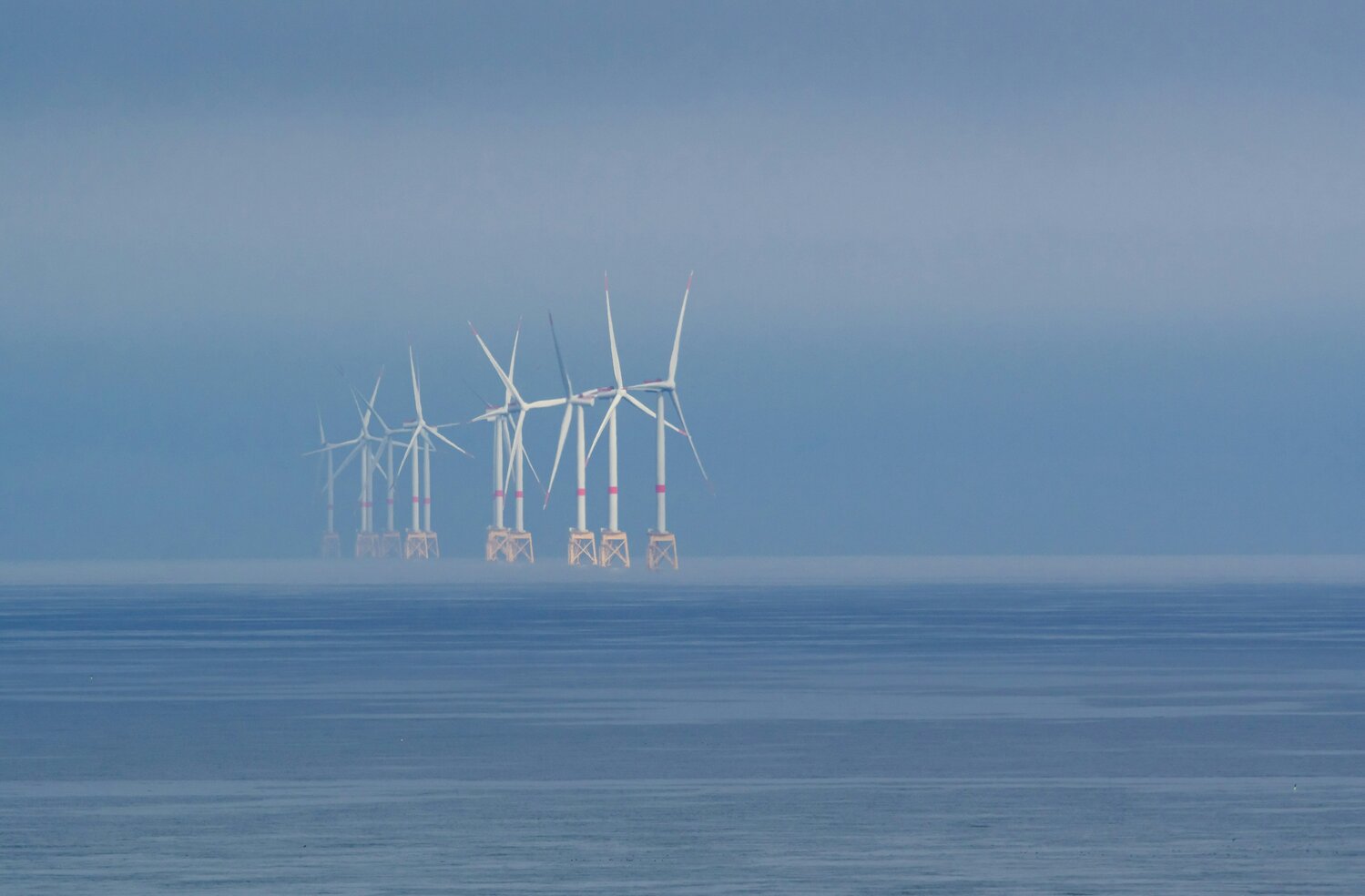
AI demand is pushing power grids and land supply to the limit. Floating wind platforms with built-in data centers could shift compute closer to its energy source.

New York’s coldest winter in decades stress-tested renewable diesel. City fleets and critical facilities saw no fuel disruptions.

Controlled fire whirls may change how offshore spills are tackled. Tests show faster burns, less soot and up to 95% fuel removal.

Aging systems, climate stress, and rising energy demand are exposing gaps in enterprise risk models built for isolated infrastructure failure.

Under new EPR rules, coated paper packaging can cost more than plastic. A flawed recyclability definition may be sending brands the wrong signals.

A new method links satellite imagery to microplastic levels in the sea. It could give industries and regulators scalable, low-cost pollution tracking tools.

Short drone videos and wave analysis now enable fast, affordable current tracking. This new method skips radar and buoys—just video, math, and real-time insight.

Logistics reliability is emerging as a board-level risk as supply chains face physical limits, delivery failures, and growing exposure across operations, finance, and governance.

Physical logistics limits are reshaping sourcing, inventory placement, and customer commitments earlier than planning cycles anticipated.

Fleetzero has raised $43M to expand its hybrid marine systems. The Houston-based startup is betting on electrification as shipping eyes lower emissions.

Enforcement, export controls, forced labor rules, tariffs, and data demands reshaped global trade compliance in 2025. Here’s where pressure materialized.

The Port of Rotterdam is deploying large-scale shore power across three container terminals as EU maritime emissions rules approach.

GEF approved $52.8 million for UNEP-led projects on wetlands, electric mobility, blue economy governance, and climate transparency following UNEA-7.

Global shipping CO2 rose 9.3% from 2019–2024 as trade and route distances grew, with containers and bulk carriers driving most emissions despite efficiency gains.

AI-powered vision systems are reshaping maritime safety, enabling real-time detection of vessels, debris, and marine mammals while supporting autonomous operations.