
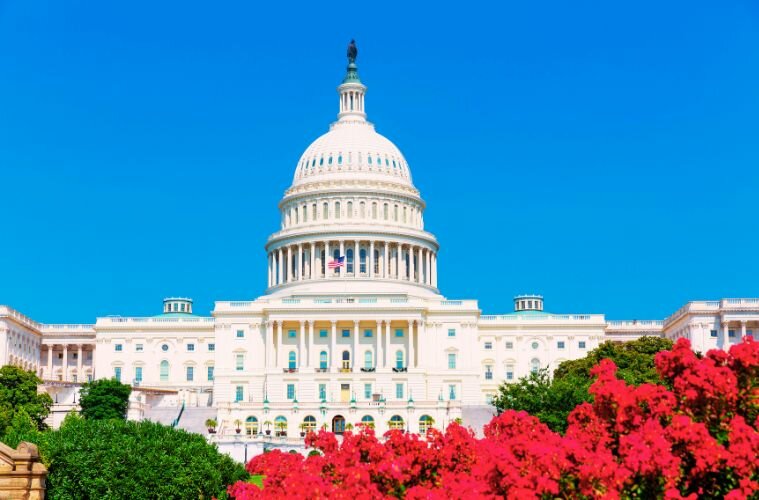
House FY2027 energy and water bill advances at $58.5B, cutting grid and clean energy programs sharply while boosting nuclear defense and water infrastructure.

Two Adirondack Park towns passed battery storage moratoriums in March, bringing New York's total to 98. More than 1 GW of planned capacity is delayed as state fire codes and permitting legislation advance.

Louisiana SCR 68 creates a blockchain task force with no seats for utility regulators or grid planners, a structural gap other states have moved to close through energy oversight requirements.

Colorado SB 102, which would have required data centers to pay full grid costs and meet emissions targets, was voted down unanimously May 11. Other states are hitting the same wall in 2026.

Procurement teams that accepted broad pass-through language in their energy agreements because it looked like standard contract boilerplate are now receiving invoices that reflect tariff costs they did not model, did not cap, and may have limited ability to dispute.

A class action against No. 7 Beauty shows how the consumer price premium for sustainable products is becoming a litigation exposure for companies making unqualified environmental claims.

Federal and state environmental compliance obligations are converging on 2026 and 2027 deadlines. What C-suite and legal leaders need to understand about the compounded exposure.

Ohio SB 103 is now law, letting natural gas utilities offer alternative rate plans to large industrial users consuming over 1.2 million Mcf annually.

California's geothermal planning bill AB 526 died in Appropriations in 2025. A companion CEQA bill was vetoed. Here is where California's in-state geothermal strategy stands now.

Organizations that haven't conducted a systematic PFAS exposure assessment are making that decision by default, and the cost of finding out later is rising.

Minnesota SF4504 would allow customers to install small plug-in solar devices without utility interconnection agreements, fees, or approval. Here is what the provision covers.
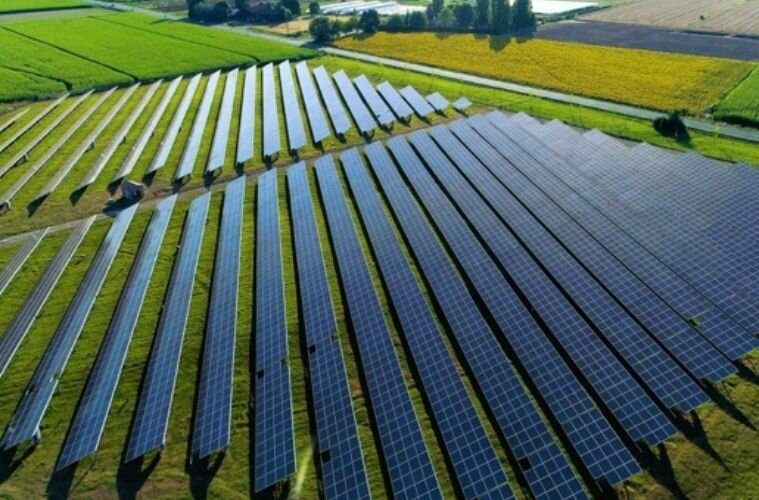
Virginia enacted SB508 April 22, directing Dominion Energy and Appalachian Power to assess unused solar interconnection capacity and pilot storage programs.

EPA finalized new pesticide limits today, but a January 2026 analysis of 700 tolerance decisions found the agency applies its child safety factor only 15% of the time.

Data centers using 20 megawatts or more would need state approval, decade-long grid contracts, and quarterly water reporting under Vermont's new bill.

Maine voted 21–13 to ban permits for data centers drawing 20MW or more through 2027 while a new state council evaluates grid and ratepayer impacts.

Spokane's proposed cooling ordinance would require landlords to maintain bedrooms below 80°F by 2031, building on Washington state's new portable cooling law.

Wisconsin unlocks $125M for PFAS cleanup after years of delay, expanding funding for communities, wells, and stricter drinking water standards.

Internal audit findings that contradict public environmental disclosures are showing up in enforcement records. EHS teams need to close this gap before regulators do.

Companies that made bold environmental commitments without data systems to back them up are sitting on litigation exposure they didn't price into those pledges.

Texas is suing Shein for toxic chemicals in products and data practices that may expose users to the Chinese government. Here's what companies AND consumers need to know.