

Emergency orders are no longer rare responses. As infrastructure strain persists, temporary measures are becoming operational norms—with implications for planning and risk.

Fleetzero has raised $43M to expand its hybrid marine systems. The Houston-based startup is betting on electrification as shipping eyes lower emissions.

Wisconsin extended its energy emergency through early February as pipeline disruptions and winter demand continue to strain heating fuel deliveries statewide.

Permitting and compliance uncertainty are emerging as decisive factors in capital allocation across energy and infrastructure.

The Aircraft Drinking Water Rule sets clear standards—but new data shows uneven compliance across U.S. airlines.

San Francisco is beginning the process of consolidating planning and building departments to reduce permitting delays that have slowed housing and business development.

New York’s 2026 agenda targets aging buildings, grid strain, and large energy users as part of a broader effort to control energy costs and improve system reliability.

Early operational stress in 2026 is exposing where strategy runs into infrastructure, energy, and regulatory limits—well before financial results reflect the risk.

A compact storage system from Birmingham researchers could help commercial buildings cut emissions by converting surplus electricity into flexible thermal energy.

NewYork GreenCloud’s acquisition highlights how on-site biomass generation is being used to support AI workloads amid tightening grid capacity.

An Oregon lawsuit over nitrate contamination is drawing attention to how industrial wastewater partnerships can create direct legal and compliance exposure.

Across blue and red states, grid congestion, water law, and system limits are rewriting growth timelines.

As risk signals accelerate, many organizations are struggling to act fast enough. Decision lag is emerging as a material operational and financial liability in 2026.

Hydrogen from sunlight just got cheaper. A Chalmers team has replaced platinum with plastic nanoparticles, opening a path to scalable, clean hydrogen production.

Dubuque is piloting organic land care in Jackson and Washington Parks. The project shifts focus to soil health, aiming to cut chemicals and boost resilience.

Research highlights how indoor air risks tied to human activity often bypass formal regulation, leaving organizations to manage exposure internally.

State bills like Virginia’s HB 277 streamline wireless infrastructure approvals—but omit health concerns. Here’s why federal law keeps RF exposure out of state legislation.

Infrastructure limits, regulatory pressure, and legal exposure are surfacing faster than planning cycles can adapt—forcing earlier decisions and shrinking strategic flexibility in 2026.
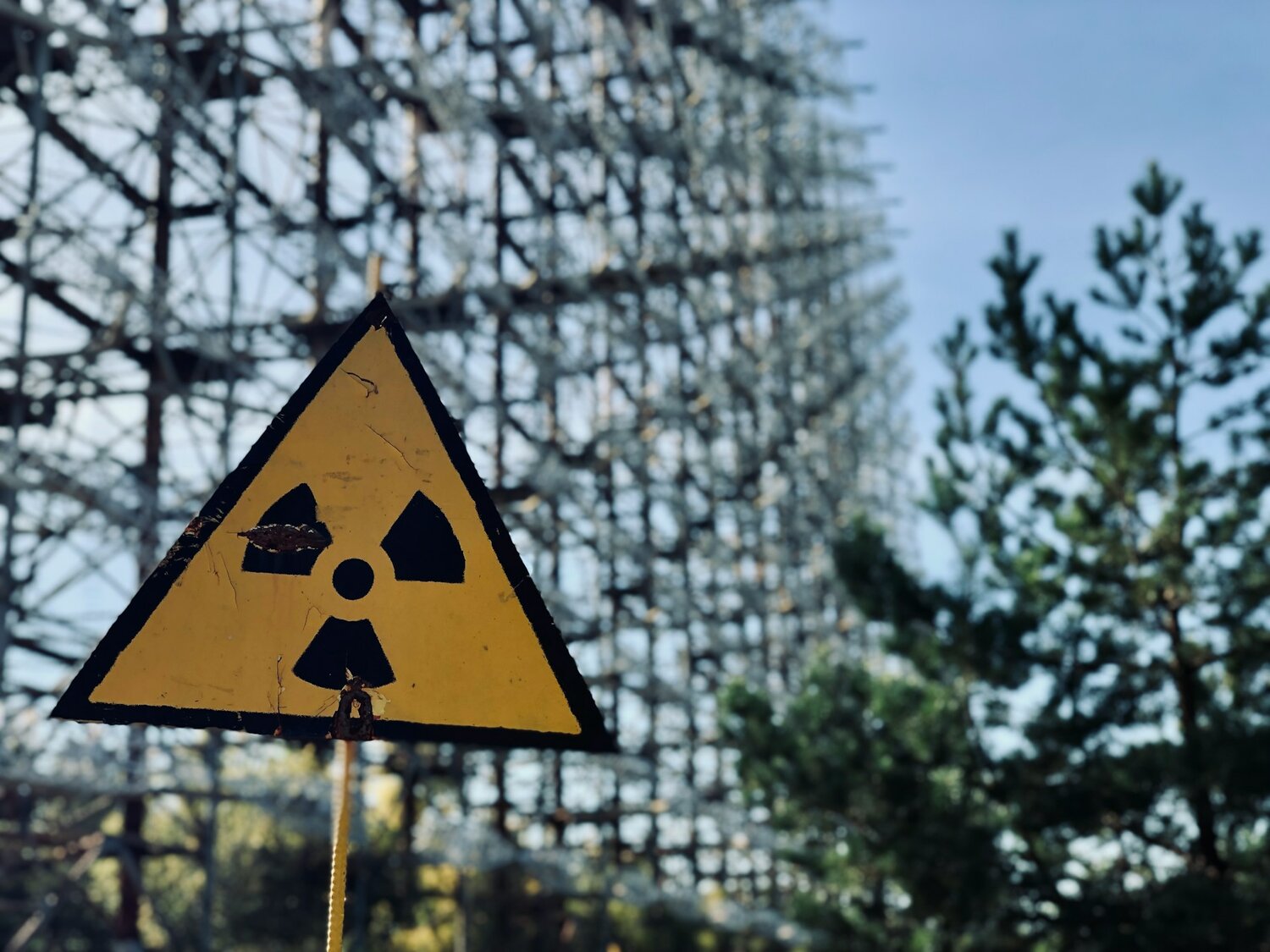
Security guards at Plant Vogtle have filed for a union decert vote. The outcome could reshape how labor representation works at high-security facilities.

The Building Engineering Services Association has suspended five members for failing competence audits, signaling tougher enforcement aligned with the UK Building Safety Act.