

Zelestra’s 6.5 MWdc Ginosa plant is now online in Puglia. The project links clean power with continued farming, a long-term PPA and student training.

A Utah-Japan pilot will test tungsten recovery from old mine tailings. The project could support cleaner critical mineral supply chains.

New peer-reviewed research finds thermal and electrical demand response can cut energy system costs up to 40% in constrained grids, with low adoption rates still delivering real savings.

Duke Energy applied for DOE loans on May 11 to lower financing costs on its $103 billion five-year capital plan serving six states with fast-growing energy demand.

What do industrial operations leaders heading into contract renewals in 2026 need to know?

Policy divergence between the U.S., Europe, and Asia Pacific is forcing multinationals to manage energy procurement as a collection of regional decisions rather than a coherent global strategy.
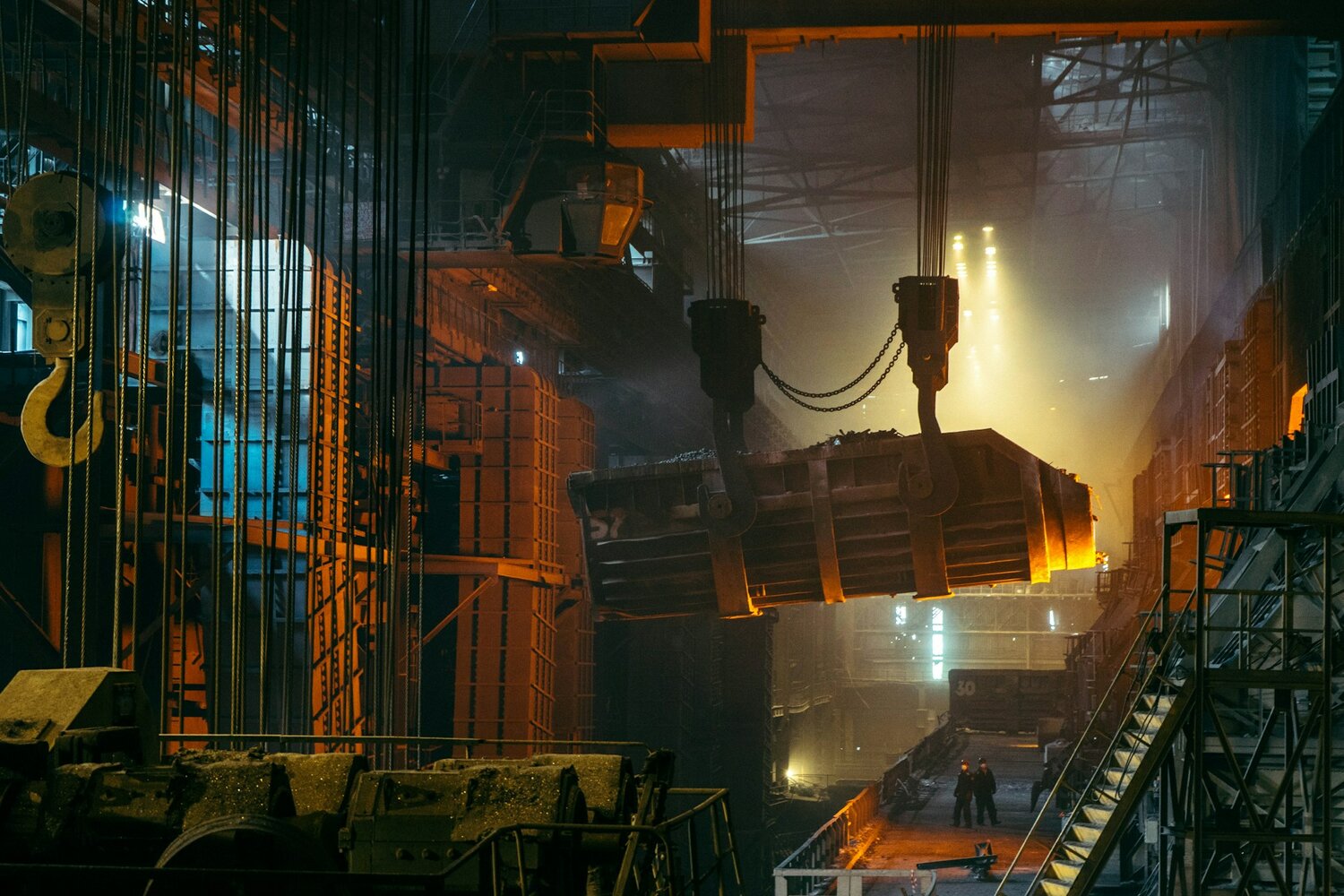
SANY is scaling local production as global equipment rules tighten. Its 2025 report links electrification, digital oversight and compliance.

Vulcan’s Frankfurt lithium plant moves Europe’s battery supply plans closer to production. NORAM will supply electrolysis technology for refining.

Louisiana SCR 68 creates a blockchain task force with no seats for utility regulators or grid planners, a structural gap other states have moved to close through energy oversight requirements.
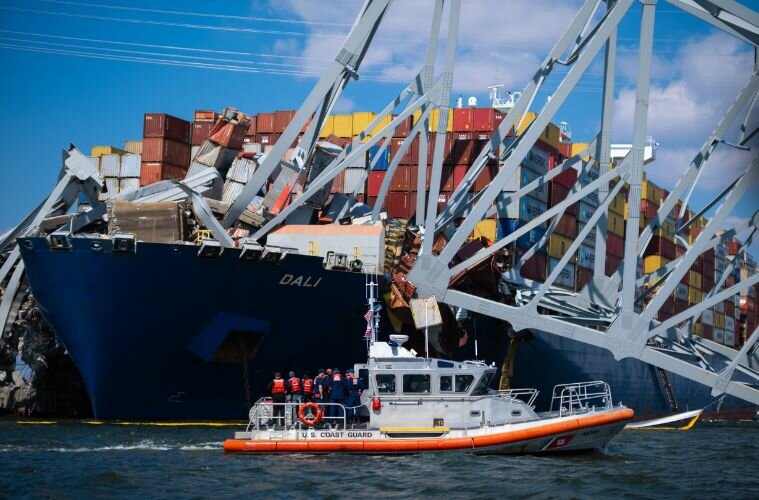
Federal grand jury charges Synergy Marine Group on 18 counts for the MV Dali Key Bridge allision, including six counts of misconduct resulting in death and environmental violations.

Durham's Society 5.0 model shows how integrated infrastructure intelligence is becoming a material factor in corporate investment and workforce decisions in 2026.

The Hormuz closure did not create new risk in corporate energy portfolios. It made visible the risk that was already priced at zero.

Western households are leading energy program adoption. Clearer rates and stronger customer education could help utilities turn interest into grid value.

Colorado SB 102, which would have required data centers to pay full grid costs and meet emissions targets, was voted down unanimously May 11. Other states are hitting the same wall in 2026.

A Rice University PNAS study links El Nino and Indian Ocean Dipole climate patterns to armed conflict onset in drought-exposed regions, with implications for supply chain and operational risk planning.

Interconnection delays are creating PPA delivery shortfalls that finance teams did not model. The cost of sourcing replacement power is showing up as unexplained energy budget variance in 2026.

Procurement teams that accepted broad pass-through language in their energy agreements because it looked like standard contract boilerplate are now receiving invoices that reflect tariff costs they did not model, did not cap, and may have limited ability to dispute.

Radisson is taking net zero from target to test case. Its latest report shows how hotel-level changes are shaping emissions, workforce and supply chain goals.

Terra is moving low-carbon cement closer to market. Its Texas plant could show whether cleaner concrete can scale without major supply chain disruption.
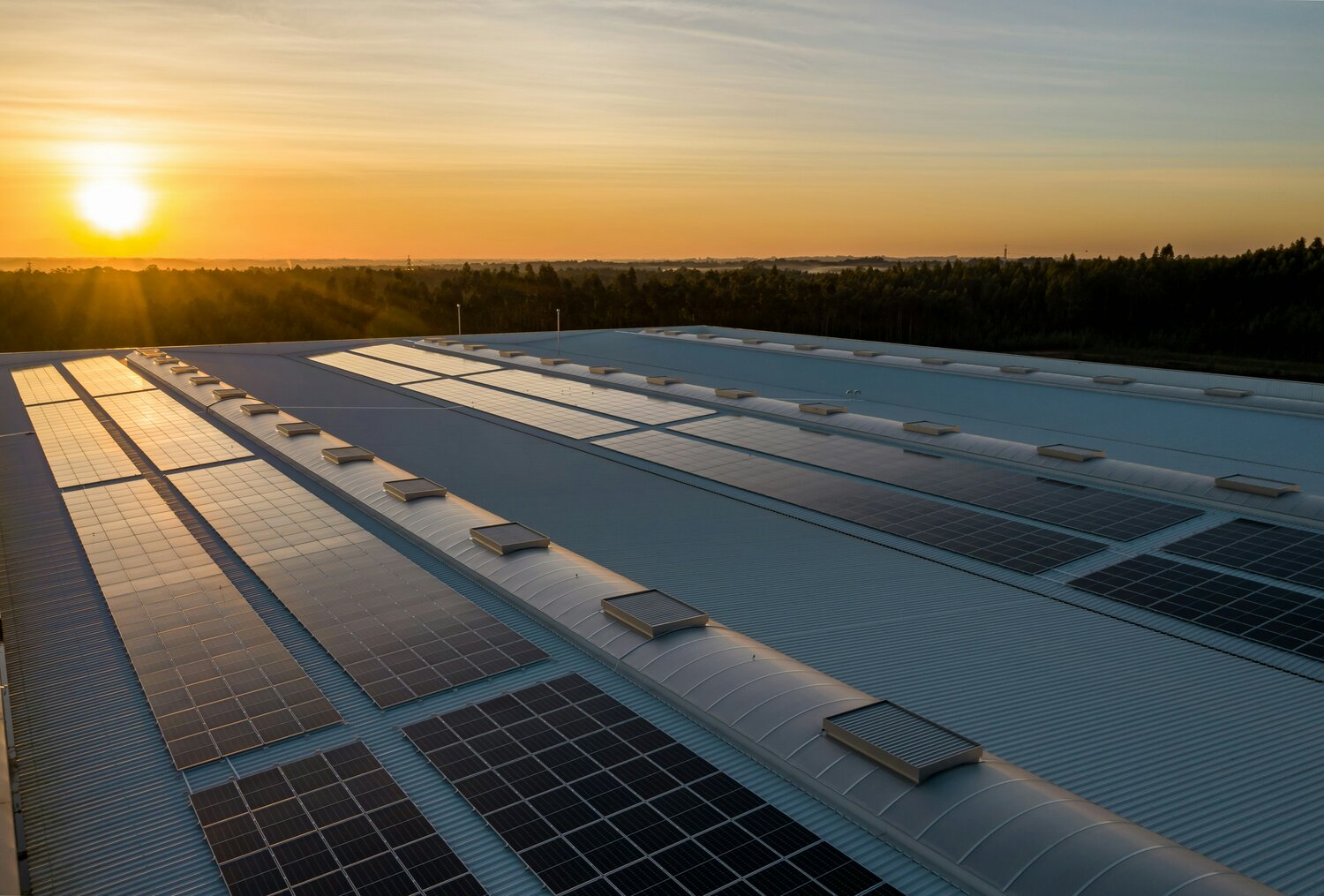
ISO New England's 2026 CELT Report adds its first behind-the-meter battery forecast and flags a winter peak timing problem tied to heat pump adoption growth through 2035.