

Hospitals are competing with data centers and infrastructure projects for electricians and HVAC crews, raising costs for maintenance and energy upgrades.

U.S. generic drug supply chains can look diversified while relying on the same upstream manufacturers in India and China, creating hidden procurement risk.

Grid constraints are forcing facilities to separate electricity procurement from reliability and budget for storage, backup power and redundancy.

Rolls-Royce has opened a $24M Mankato facility to expand backup power output. The center will support data centers and other critical infrastructure nationwide.
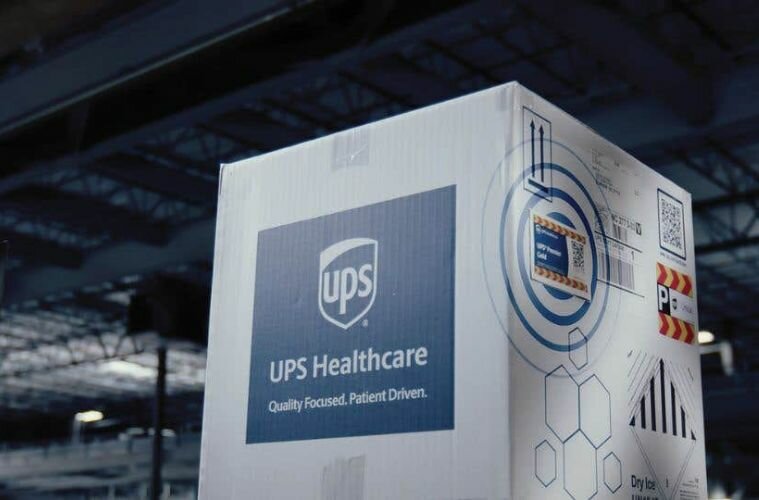
UPS is investing $48 million in temperature-controlled freight facilities while expanding AI-powered logistics to support growing pharmaceutical demand.

M-44 cyanide devices are back in the predator-control debate. For land managers, the issue now spans safety, liability, pets and endangered wildlife.

USEFULL has launched its first senior living reuse program at The Glen. The model replaces disposable takeout boxes with tracked steel containers.

Waste is moving from disposal cost to business asset. Circular systems can turn plastics, sludge and organics into energy, materials and resilient supply chains.

The cost of not investing in climate health systems is quantifiable, and the financial return on investing in them is exceptionally high.

Water risk is now immediate for U.S. businesses. Contamination, rising demand, and uneven regulation are turning supply into a daily operational challenge.

Marine protected areas face rising pollution threats from land. Without wastewater control, ocean protection targets risk falling short.

A new study finds benzene in residential gas across Europe. The findings raise concerns about indoor air quality and gaps in current safety standards.

AB Energy has opened a new headquarters in The Woodlands, Texas. The move supports growing demand for on-site power and data center energy.

Satellites are spotting major methane plumes across the Appalachian Basin. New data suggests high-volume releases may be more common than previously recorded.

New data show babies were exposed to more PFAS before birth than standard tests detected. The findings could reshape risk models and policy.

Microplastic monitoring may be shifting out of specialist labs. Metal oxide electrodes offer faster, lower-cost detection in the field.

A 40-year US study links moderate caffeinated coffee intake to lower dementia risk. The findings add weight to long-term health discussions.

Air pollution ignores borders, reshaping health and economic risk. Coordinated climate action could save 1.32 million lives a year by 2040.

Georgia’s PFAS Receiver Shield Act (HB 211) has been withdrawn and recommitted in the House.

Quantum mechanics isn’t just theoretical—it’s powering secure networks, sensors, and imaging. Once abstract, it’s now embedded in modern infrastructure.