
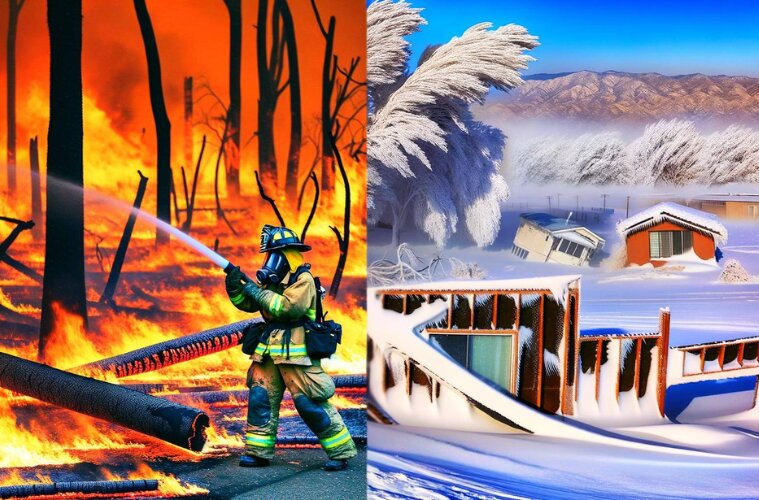
Dual disasters in Southern California and Western North Carolina expose critical gaps in utility preparedness, emergency response, and resource equity.
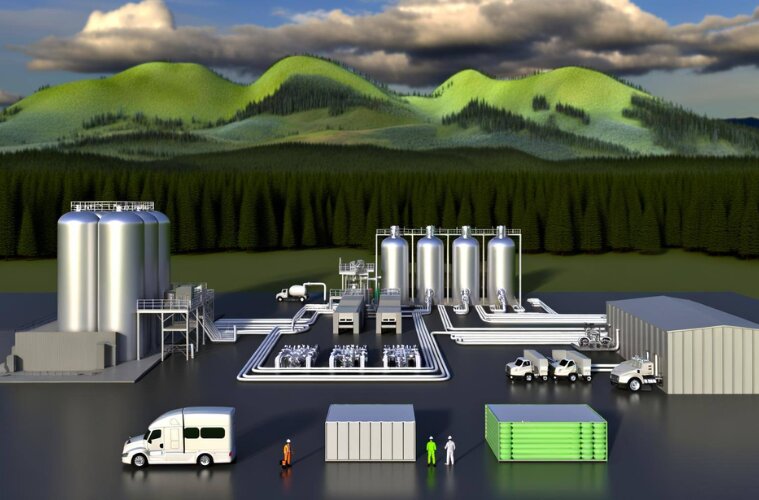
The development of green hydrogen energy facilities presents a unique opportunity to blend economic growth with environmental responsibility.
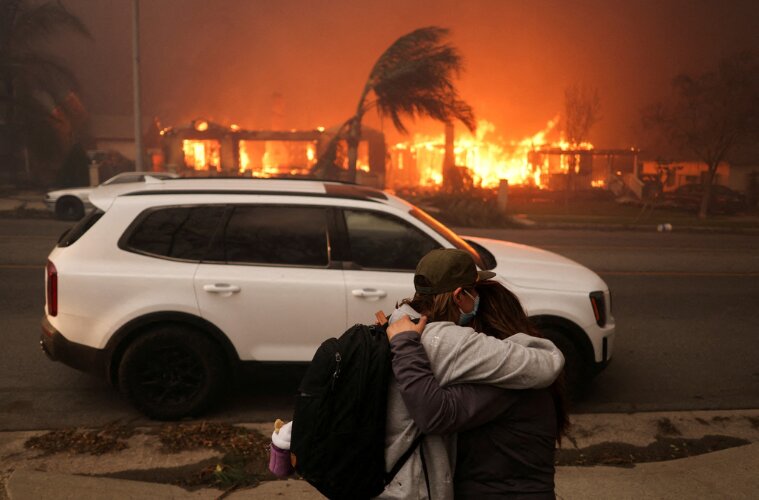
Federal aid arrives as California battles devastating wildfires, revealing systemic issues in infrastructure and disaster preparedness.
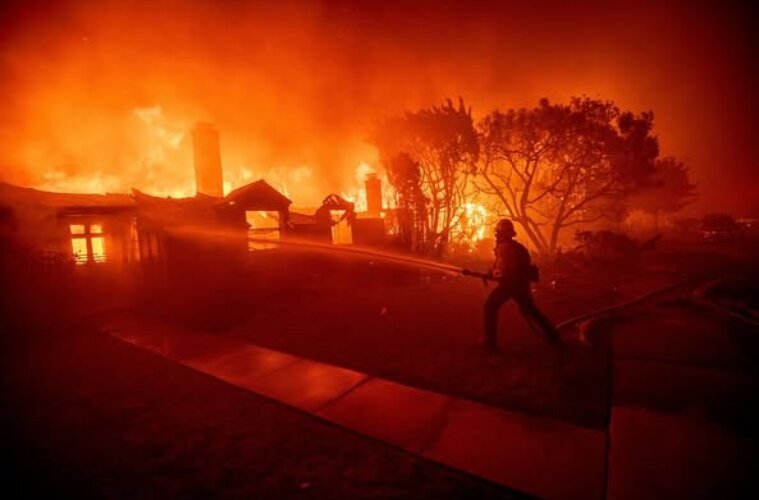
With insurers retreating and hydrants running dry, California’s wildfires expose systemic failures that leave homeowners and firefighters at risk.
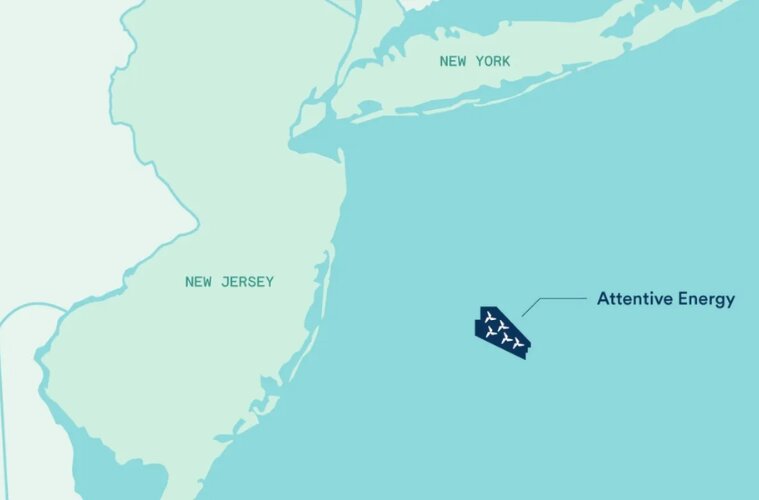
Labeling wind turbines as "dangerous," Trump outlines plans to dismantle offshore wind developments in favor of oil and gas.

Biden permanently bans drilling in 625M+ acres of U.S. waters, ensuring thriving marine life, safe communities, and economic growth.
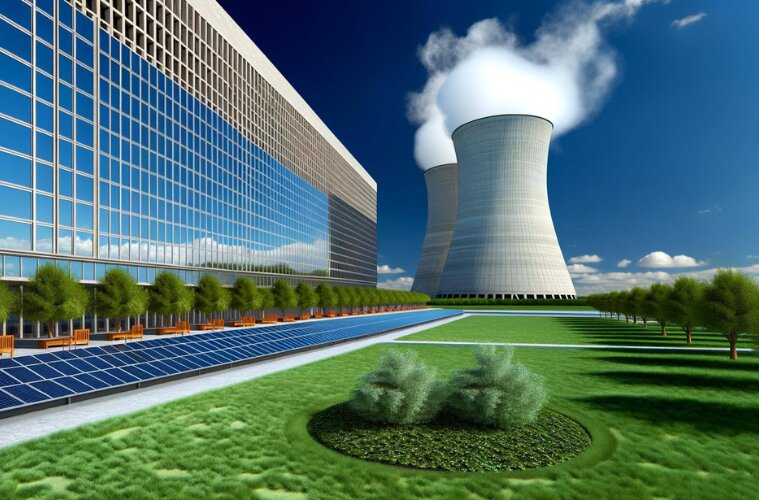
Federal agencies adopt a bold approach to secure stable, carbon-free power for the next decade.

Communities across the U.S. can now access more detailed information on chemical releases with the EPA’s addition of nine PFAS to the Toxics Release Inventory.
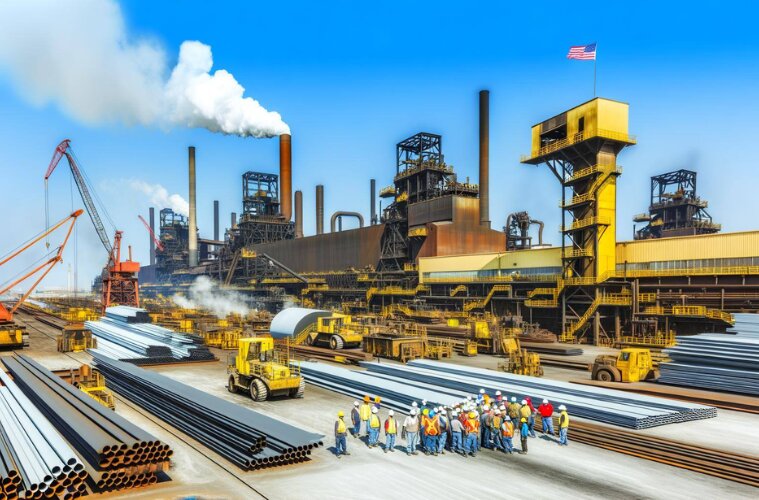
U.S. Steel remains American-owned as Biden blocks merger, highlighting security and manufacturing resilience while U.S. and Nippon Steel respond by filing lawsuits against the Administration.
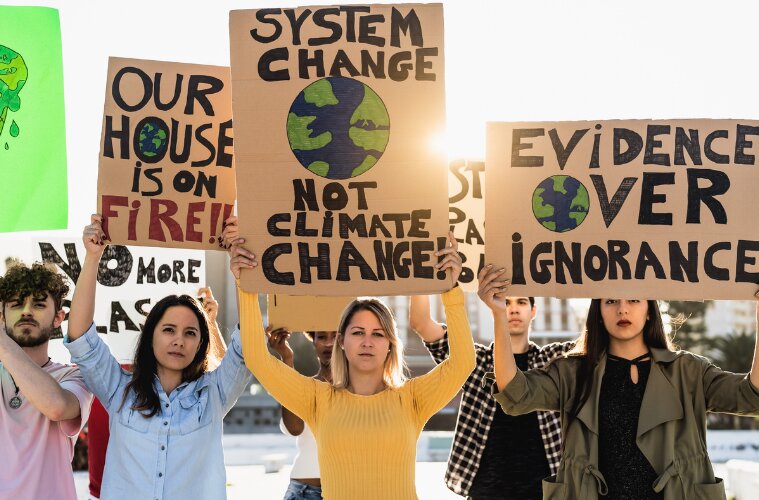
Explore the top 5 environmental stories of 2024, from record heatwaves to youth-led activism, highlighting challenges and progress in sustainability.

Relying on spreadsheets for sustainability data is no longer enough. Automation offers accuracy, efficiency, and a clearer path to achieving climate goals.
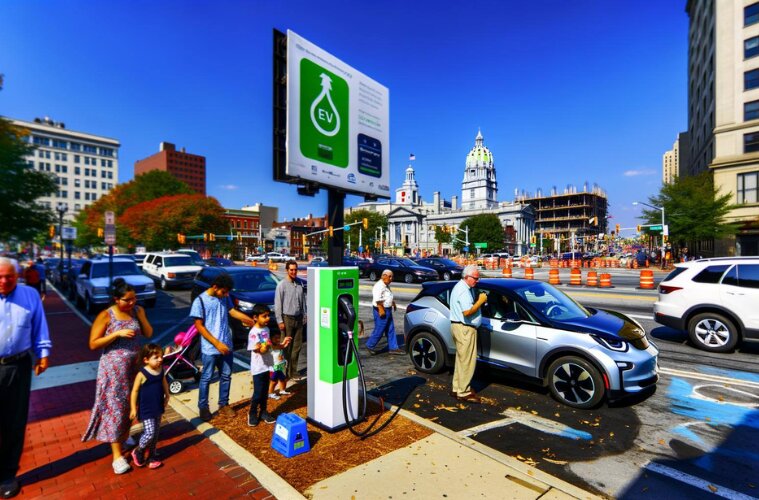
Can Pennsylvania overcome its infrastructure and policy hurdles to lead the nation in clean energy innovation?
The City of Portage debuts a food scraps recycling program, aiming to cut landfill waste, lower emissions, and support eco-friendly practices.
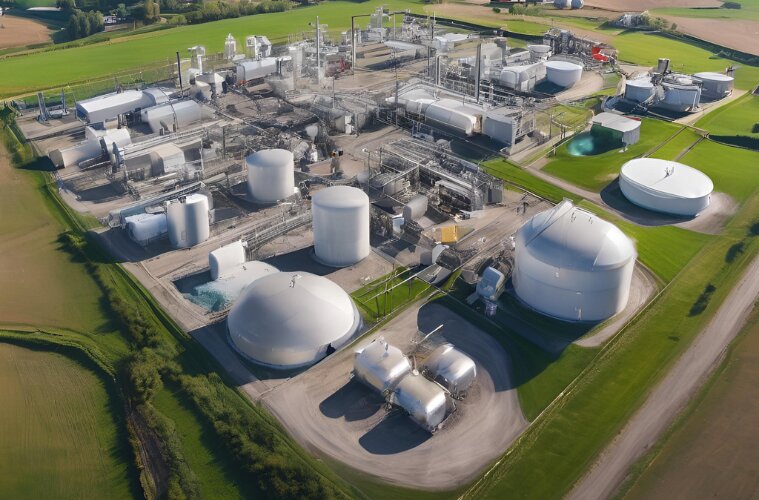
Methane reduction offers a rare chance for quick climate wins. Learn how federal investment is driving tech, jobs, and community resilience.
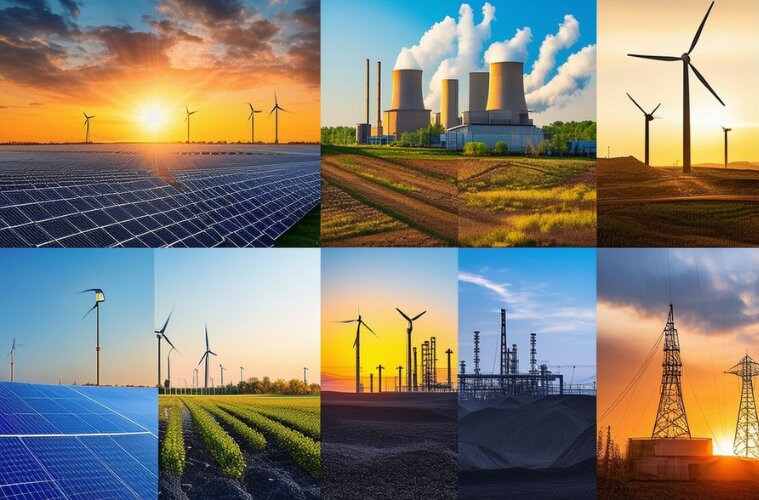
Exploring the major energy sources in the United States and analyzing their impact on sustainability, focusing on reducing the carbon footprint through clean energy initiatives.
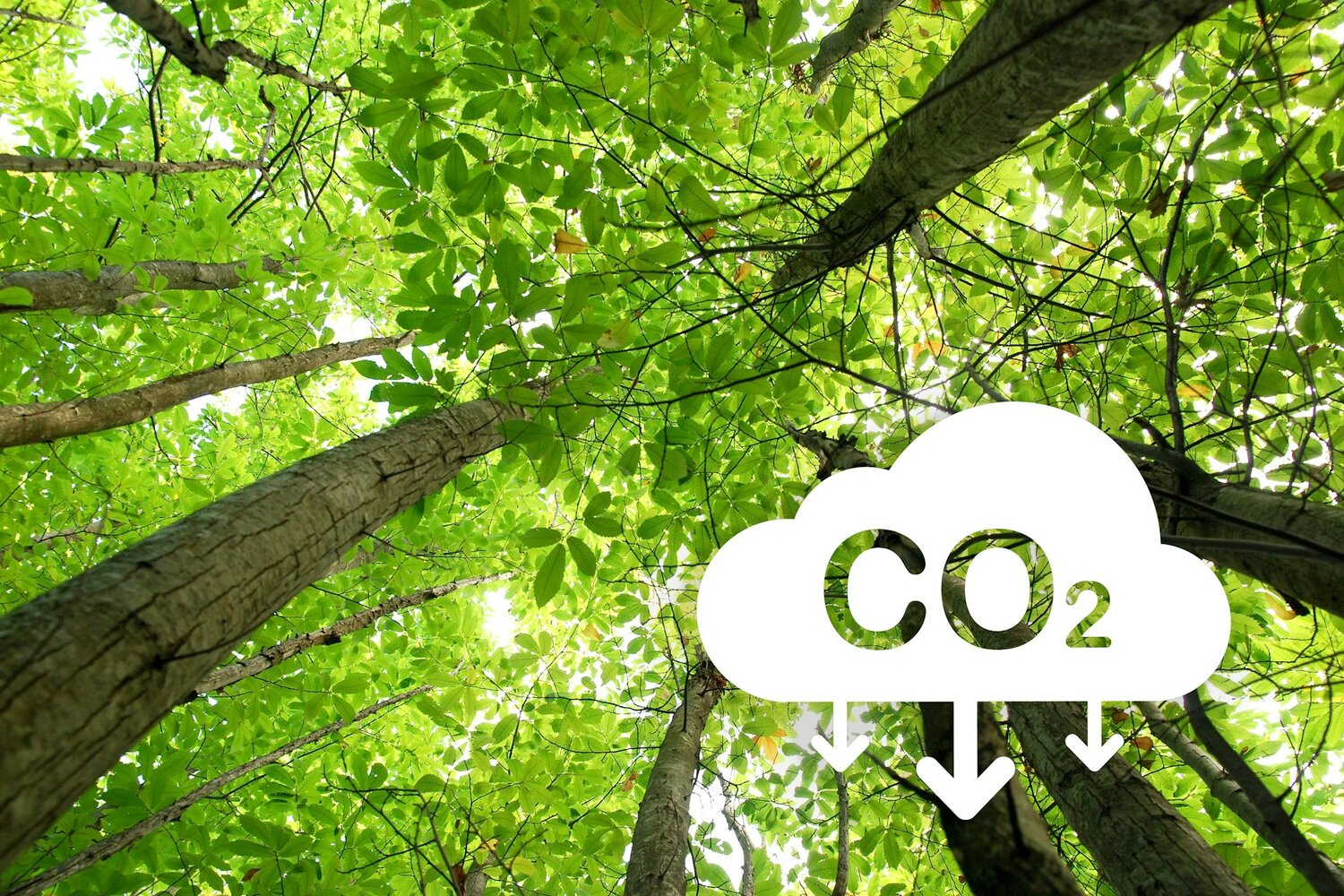
Federal lands cut greenhouse gas emissions by 18% since 2005, but wildfires and droughts reduce their effectiveness as carbon sinks.
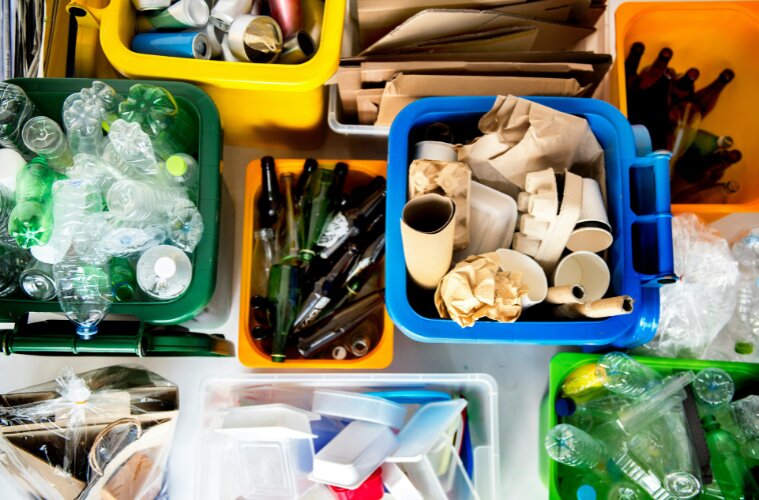
Maine, Vermont, and Massachusetts have the highest recycling rates in the country. Which three states are ranked the worst?
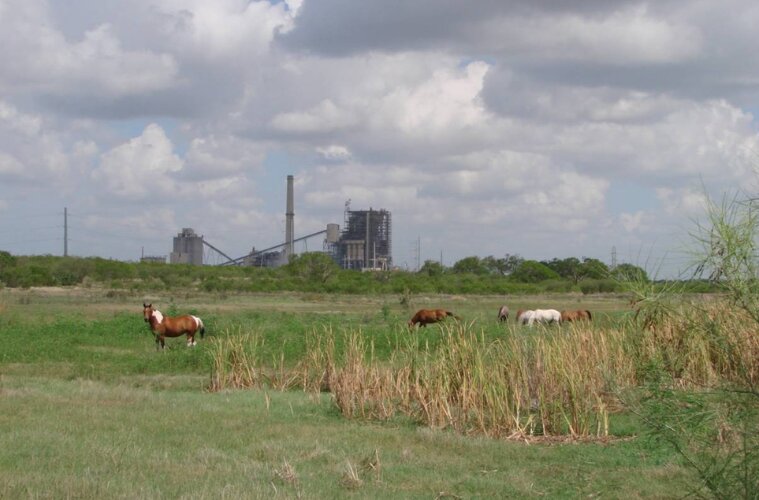
Government funding will allow San Miguel Electric Cooperative, Inc. to transition from lignite-fired power generation to renewable energy.

New York will require fossil fuel companies to fund billions in critical adaptation projects, a move that could set a precedent for climate accountability nationwide.

How will the ISSB standards transform sustainability reporting for UK businesses?