

New research shows that shifts in Southern Hemisphere westerly winds can rapidly alter storm patterns, rainfall, and climate risk across mid-latitude regions.

California applies 2.5M pounds of PFAS pesticides each year, raising concerns about soil, water, and ecosystem contamination as regulators lag behind emerging science.

Updated Key Bridge rebuild estimates show costs rising to $4.3–$5.2B as new safety standards, inflation, and design changes reshape the project’s scope and timeline.

EPA has finalized Texas’ Class VI primacy, giving the Railroad Commission authority to issue CCS injection permits and potentially accelerating carbon storage projects.

BioMADE’s new Iowa pilot plant will expand U.S. biomanufacturing capacity, strengthen supply chains, and create new markets for agricultural feedstocks.

DOE renews emergency orders to boost Puerto Rico’s grid ahead of peak demand, building on earlier actions that restored 820 MW and improved system reliability.

A new EDF global survey finds 94% of agricultural lenders view climate change as a material risk and are adapting their portfolios accordingly.

The UN says global climate pledges would cut emissions just 12% by 2035—far short of the 60% needed to stay within 1.5°C. Scientists warn the window is closing.

AI servers could consume 245 TWh of power and over 1 billion m³ of water by 2030, making energy and water the real bottlenecks in the race to scale artificial intelligence.
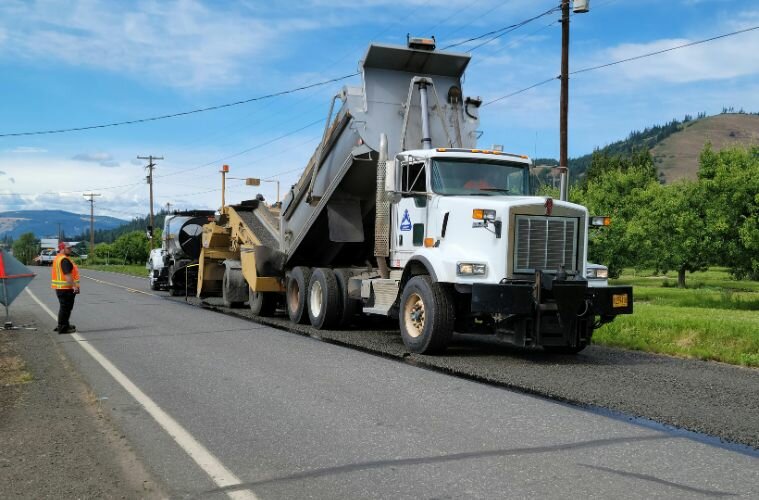
HB 3991 makes EV and hybrid drivers pay per mile, ends Oregon’s toll program, and adds stronger ODOT oversight to stabilize road funding and project delivery.

Nebraska and Iowa defend ethanol CCS reporting, while 18 states and cities warn EPA’s GHGRP rollback would undermine climate data and Clean Air Act duties.

The Green Climate Fund approved $3.26B in 2025, its largest annual total, signaling progress toward scaling climate finance and adaptation globally.

Mississippi State’s new Energy Resilience and Innovation Hub joins a growing network of university-led centers driving clean energy, grid modernization, and workforce development across the U.S.

RFF research finds the U.S. cannot achieve mineral independence alone. True resilience demands global cooperation and smarter trade alliances.

The UN’s fourth Just Transition Dialogue outlines energy, finance, and workforce priorities for equitable climate action and sustainable development.

The U.S. Geological Survey’s 2025 Critical Minerals List expands to 60 materials, reflecting new national security and supply chain priorities.

Japan’s new ISHL rule allowing substitute chemical names will force U.S. exporters to revamp SDS systems and could influence OSHA’s next update.

Workers across Georgia face toxic ethylene oxide exposure as outdated OSHA standards fail to protect them from cancer-causing air pollutants.

The EPA has approved North Dakota’s coal combustion residuals permit program, transferring CCR oversight from federal to state authority under RCRA section 4005(d).

Canada launches $6.4B in critical minerals projects with G7 partners to secure clean energy, defense, and manufacturing supply chains.