

Prysmian is investing $1.25B to expand U.S. fiber and cable production. Its three-state bet targets rising demand from AI infrastructure and data center growth.

Kimberly-Clark is testing hesperaloe as a potential tissue fiber. The move could reduce wood-pulp use while adding a new option to its supply chain at scale.

Sweden opened a consultation on national PFAS rules for clothing, cosmetics and cookware starting 2028, ahead of a broader EU restriction still under review.

Nassimi is linking upholstery materials to reforestation and social support. Its partnerships fund tree planting and help women rebuild their lives after abuse.

PFAS restrictions are pushing manufacturers to rethink coatings. Femtosecond lasers could offer a chemical-free way to engineer water-repellent surfaces.
Chain length may shape how PFAS move through water and respond to treatment. For utilities, that means monitoring and removal strategies need sharper focus.
A structural cost coverage gap in the EU's Extended Producer Responsibility framework is leaving recyclers underfunded, just as the Circular Economy Act opens for reform.

Steel, copper, and grid material costs have reset project economics across clean energy and infrastructure. Finance teams holding 2022-era models need to close the gap before H2 capital decisions land.
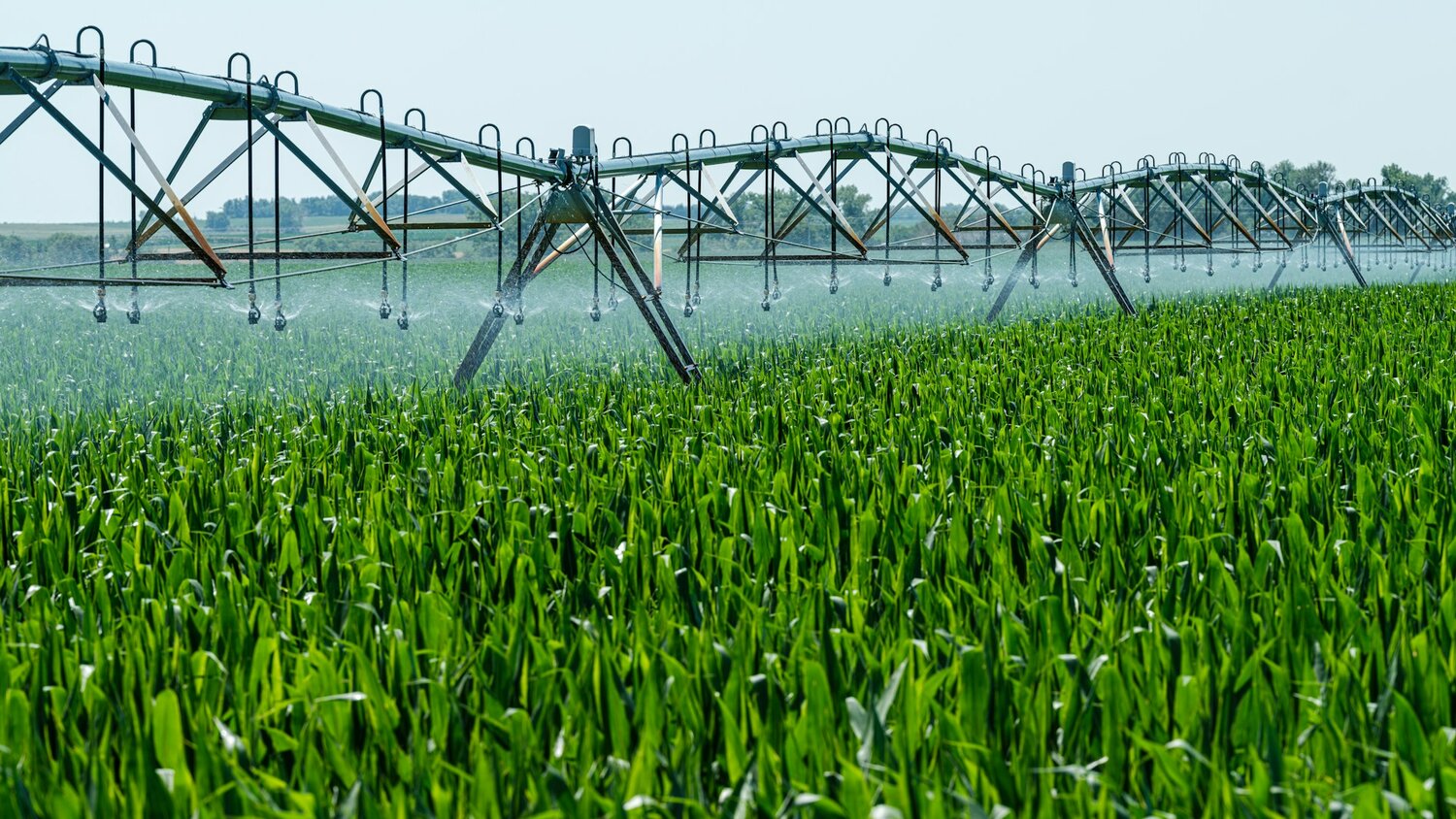
Water risk is becoming a business issue for agriculture-linked companies. A new Bluerisk guide sets out practical steps to strengthen supply chain resilience.

Investors call corporate water risk disclosure unfit for decision-making yet keep relying on it. As regulatory pressure builds and water stress accelerates, that tolerance is ending.

GAIA BioMaterials has gained European patent approval for PLA-free film materials. The compounds target compostable bags, aprons and other flexible uses.

FYUL is tightening supply chain visibility with TrusTrace. The move comes as brands face rising pressure for product-level proof.

Polartec is standardizing black fleece to reduce redundant dye work. The move could help outdoor brands simplify sourcing and cut waste.

Organizations that haven't conducted a systematic PFAS exposure assessment are making that decision by default, and the cost of finding out later is rising.

Crab shell waste may help control how bioplastics degrade in seawater. The approach could improve durability while supporting circular material use.

Researchers are building electronic materials atom by atom. The approach embeds performance at design stage, not after fabrication.

Employees aren't just participating in Earth Day programs anymore — they're using them to decide whether their company's sustainability values are real or staged.

Texas AG Ken Paxton has issued a civil investigative demand to Lululemon over PFAS in its apparel, signaling broader enforcement pressure on consumer brand supply chains.

A Japanese biomaterials firm is extending plant-based inputs into consumer goods, using nail cosmetics as an early test case for broader material substitution.

Texas is suing Shein for toxic chemicals in products and data practices that may expose users to the Chinese government. Here's what companies AND consumers need to know.