

In 2026, disclosure rules, PFAS liabilities, and insurance repricing are shifting from ESG considerations to earnings variables—forcing finance teams to rethink reserves, guidance, and risk controls.

AI clusters are scaling faster than utilities can respond. TurboCell aims to deliver fast, modular power that adapts as grid connections catch up.

A proposed charitable trust structure would transfer water entitlements to Basin First Nations under a staged, legally binding agreement with the Australian Government.

The EPA’s action does not eliminate environmental risk. It changes who prices it — and how quickly.

Aging systems, climate stress, and rising energy demand are exposing gaps in enterprise risk models built for isolated infrastructure failure.

As federal PFAS standards enter implementation and Superfund liability expands, litigation exposure is broadening beyond manufacturers.

Under new EPR rules, coated paper packaging can cost more than plastic. A flawed recyclability definition may be sending brands the wrong signals.

A new method links satellite imagery to microplastic levels in the sea. It could give industries and regulators scalable, low-cost pollution tracking tools.
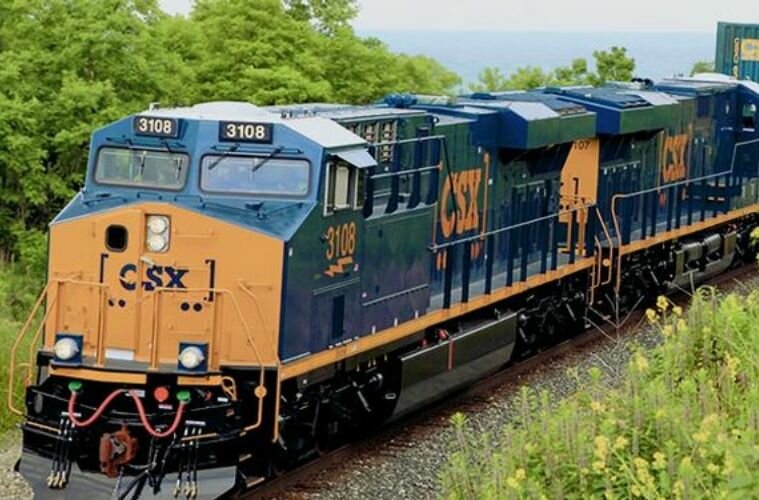
The $670M deal will upgrade locomotives with AC traction and digital systems to improve reliability, fuel efficiency, and rail network performance.

Infrastructure systems face growing stress as recovery, redundancy, and execution demands exceed investment frameworks.

A new hydrogen sensor improves accuracy in high humidity by using water vapor in its detection process. It’s a practical step forward for hydrogen safety.

Nature is shifting from ESG add-on to financial risk factor. Investors are starting to price ecosystems, resilience and climate exposure into long-term returns.

Water utilities face a wave of retirements and rising tech demands. A free online program is building a new talent pipeline for essential water careers.

A new assessment of Odisha’s power system shows how repeated cyclones expose infrastructure vulnerabilities, recovery limits, and the role of operational preparedness in resilience.

Maryland’s SB 688 would restrict how stream restoration projects count toward stormwater and pollution-reduction compliance.

Operations leaders face tighter tradeoffs, higher risk, and less flexibility as margin disappears.

Facilities teams are being pushed to meet modern performance demands with infrastructure designed for a different era.

A hydrogen air heater is now live at an industrial site in Offenbach. HYTING’s system tackles heat spikes without combustion or costly electric upgrades.

The construction industry is heading into 2026 with solid demand but real pressure. Firms that plan early and build resilient systems will stay competitive.

Building upgrades are moving faster than grid and water infrastructure can expand—creating a growing capital risk few models fully capture.