

The regulatory framework for industrial radiography involves multiple federal and state agencies, dose limits that carry criminal exposure if violated, and compliance failures specific enough that inspectors arrive with a checklist most field crews have never read.

The October 2026 TSCA reporting deadline and July TRI filing date are pulling PFAS into active regulatory scrutiny. Most facility programs are not ready for what follows the filings.

The numbers coming out of that program are not trending in a good direction, and the state's public dashboard is now one of the more detailed occupational disease tracking tools available anywhere in the country.

While administrative civil cases are resolving more leniently, criminal enforcement produced its highest defendant count since fiscal year 2016 and resulted in forfeiture exceeding $1 billion in illegal proceeds.

The exposure most EHS teams are carrying right now is not from failing operations. It is from the inability to demonstrate that operations are succeeding.

PIMCO's 2025 Sustainable Investing Report covers $645B in sustainability strategies, 1,300-plus corporate engagements, and expanded ESG and climate frameworks across fixed income.

A UN carbon market decision this week reopens the most scandal-prone credit category in market history. Sustainability teams holding older credits need to review them before auditors do.

DJI Agriculture's 2025 industry report tallies 51 million tons of cumulative CO2 reductions and 410 million tons of water saved from over 600,000 deployed drones globally.

EPA's industrial stormwater permit expired February 28 with no replacement finalized. Facilities operating under administrative continuance are fully inspectable heading into summer storm season.

Worker heat exposure is moving into mandatory disclosure in Australia, the EU, and several U.S. states at the same time. Most ESG reports have not kept pace. Here is what is changing.

C40 Cities and UN-Habitat's Urban Planning Accelerator launched at the World Urban Forum with 33 cities committing to compact, climate-responsive development by 2035.

As heat seasons grow longer and grid stress events hit more frequently, the transition points that were always the weakest links in temperature-sensitive logistics are failing at higher rates.

GAIA BioMaterials has gained European patent approval for PLA-free film materials. The compounds target compostable bags, aprons and other flexible uses.

The EPA proposed rules on May 18 retaining PFOA and PFOS drinking water limits while rescinding standards for four other PFAS. Compliance shifts to 2031 opt-in, and nearly $1B in new grants rolled out this week.
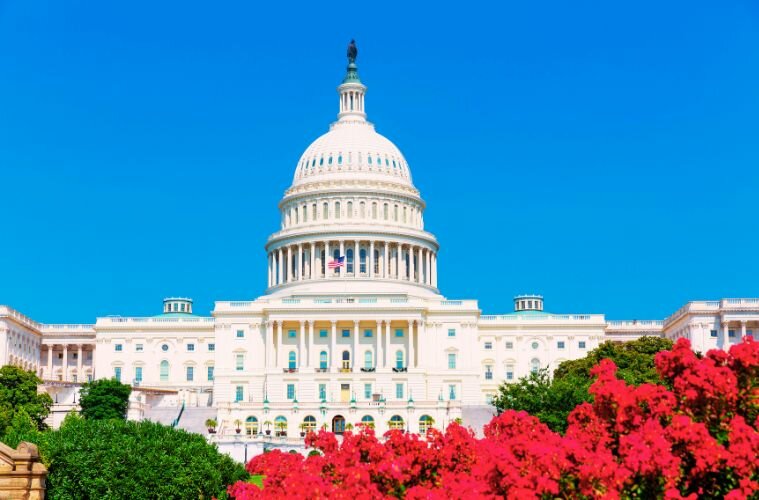
House FY2027 energy and water bill advances at $58.5B, cutting grid and clean energy programs sharply while boosting nuclear defense and water infrastructure.

Mexico's CFE declared grid emergencies three times in summer 2024 and reserve margins hit 3% in May of that year. For manufacturers who relocated to Mexico, summer reliability risk was not in the original location analysis.

El Nino drought cut hydropower output across South America in 2024-2025. For procurement and finance teams with Latin American operations, that is a seasonal power cost and curtailment risk standard contracts do not address.

Aging wells often move to smaller operators. New research says these transfers could leave cleanup costs harder to fund.

Tornado damage put Wynne’s wastewater system under pressure. Its rebuild highlights how recovery can support stronger, lower-maintenance infrastructure.

Two Adirondack Park towns passed battery storage moratoriums in March, bringing New York's total to 98. More than 1 GW of planned capacity is delayed as state fire codes and permitting legislation advance.