

Facilities teams are being pushed to meet modern performance demands with infrastructure designed for a different era.

Building upgrades are moving faster than grid and water infrastructure can expand—creating a growing capital risk few models fully capture.

RICS data shows planning delays, labor shortages, and cost pressures reshaping how—and how fast—green building projects can move forward.

Mainland China, India, and Canada emerged as the top three markets for LEED certification outside the United States in 2025.

A new philanthropic commitment to the Nuclear Scaling Initiative highlights a shift in U.S. nuclear strategy—from one-off projects to repeatable, standardized builds designed to meet rising electricity demand.
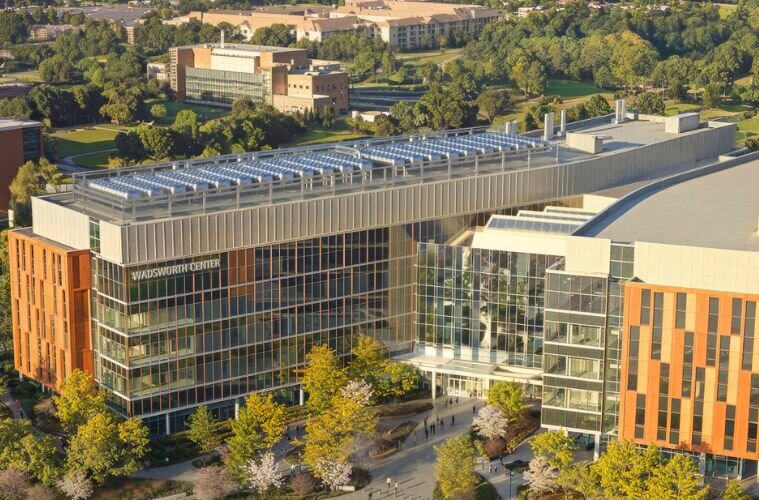
New York has begun construction on a $1.7 billion Wadsworth Center laboratory, consolidating public health testing infrastructure to strengthen long-term preparedness and resilience.

Pacifico Energy’s GW Ranch project secured a 7.65 GW air permit in Texas, highlighting how private-grid power campuses are reshaping energy supply for hyperscale AI data centers.

Southwest Power Pool is expanding west with a $150M project and 190 jobs. Its new Markets+ platform aims to modernize energy markets across the West.

A compact storage system from Birmingham researchers could help commercial buildings cut emissions by converting surplus electricity into flexible thermal energy.

Across blue and red states, grid congestion, water law, and system limits are rewriting growth timelines.

As infrastructure, energy, and compliance pressures intensify, demand is rising for engineers trained to operate across sustainability, policy, and execution.

The Building Engineering Services Association has suspended five members for failing competence audits, signaling tougher enforcement aligned with the UK Building Safety Act.

Facilities teams are encountering regulatory, design, and execution constraints earlier than expected—turning resilience investments into an unpriced cost of 2026 strategy.

Nuclear startup AMPERA launches from stealth in South Florida. Its new HQ aims to power data centers, defense systems, and critical infrastructure.

A federal court vacated Detroit’s ozone redesignation, restoring Moderate controls and raising new compliance considerations for 2026 infrastructure projects.

Ex-Change Parts achieves 100% helicopter recycling, reflecting rising circularity trends in aerospace and growing operator demand for reused components.

Updated Key Bridge rebuild estimates show costs rising to $4.3–$5.2B as new safety standards, inflation, and design changes reshape the project’s scope and timeline.

A new metallic gel from Texas A&M stays stable at 1,000°C and holds liquid metal in place—paving the way for mobile liquid metal batteries at last.

A federal appeals court finds Puerto Rico’s water crisis may involve constitutional rights, signaling new legal standards for public utility accountability.

Copper powers clean-energy infrastructure, but its mining and supply risks test the industry’s sustainability, circularity, and ESG credibility.