

Red Metals is investing $70 million in a North Charleston copper rod plant launching Q4 2026, targeting shorter lead times for electrical infrastructure and advanced manufacturing buyers.

Steel, copper, and grid material costs have reset project economics across clean energy and infrastructure. Finance teams holding 2022-era models need to close the gap before H2 capital decisions land.

Vermont's governor vetoed H.727, the Vermont Sustainable Data Centers Act, on May 28. The House failed to override the next day, leaving the state reliant on existing regulatory tools.
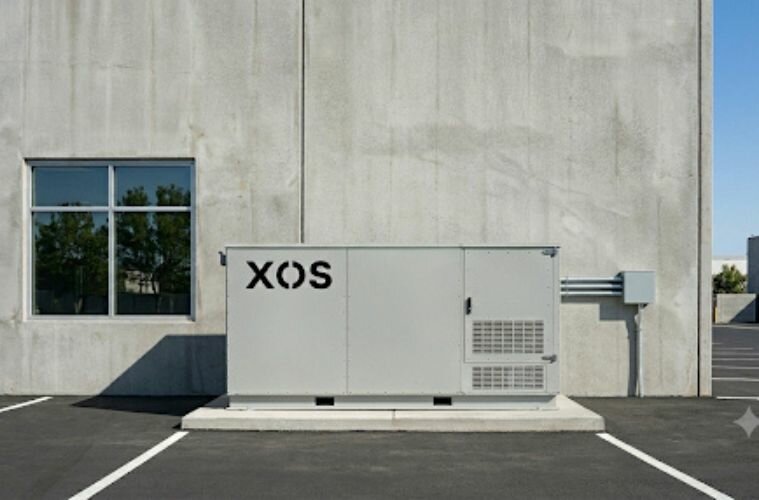
Xos launched a 2.5MWh containerized energy storage system targeting AI data centers and industrial sites stuck behind three-to-seven-year grid interconnection timelines.

Utilities are rethinking customer programs as grid tools. Coordinated flexibility can cut peaks, support reliability and ease pressure on new capacity.

As organizations face increasing pressure to manage water resources more efficiently, Amazon is highlighting its approach to water stewardship through a new online resource that details the company's efforts to reduce consumption, expand water reuse, and replenish water resources in communities where it operates.
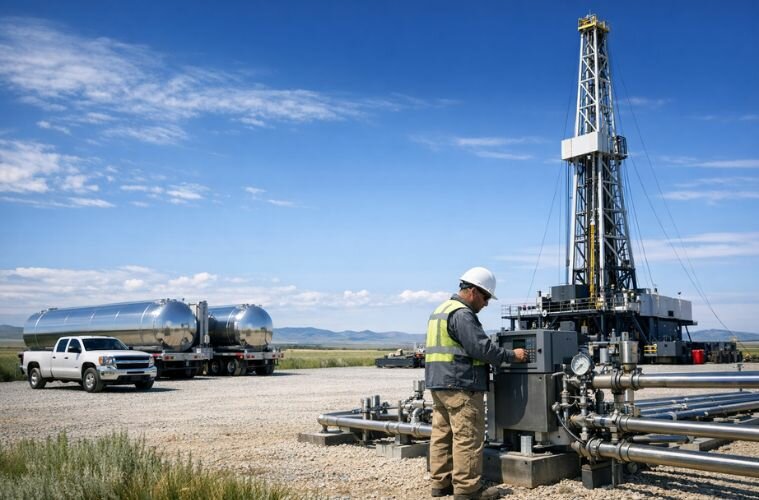
REV Exploration closes a $4M raise with Eric Sprott to advance its Aden Dome helium and natural hydrogen prospect as Middle East supply disruptions accelerate the North American sourcing race.

Louisiana’s AI data center boom is testing the state’s power system. Advocates warn households and businesses could face higher bills without stronger oversight.
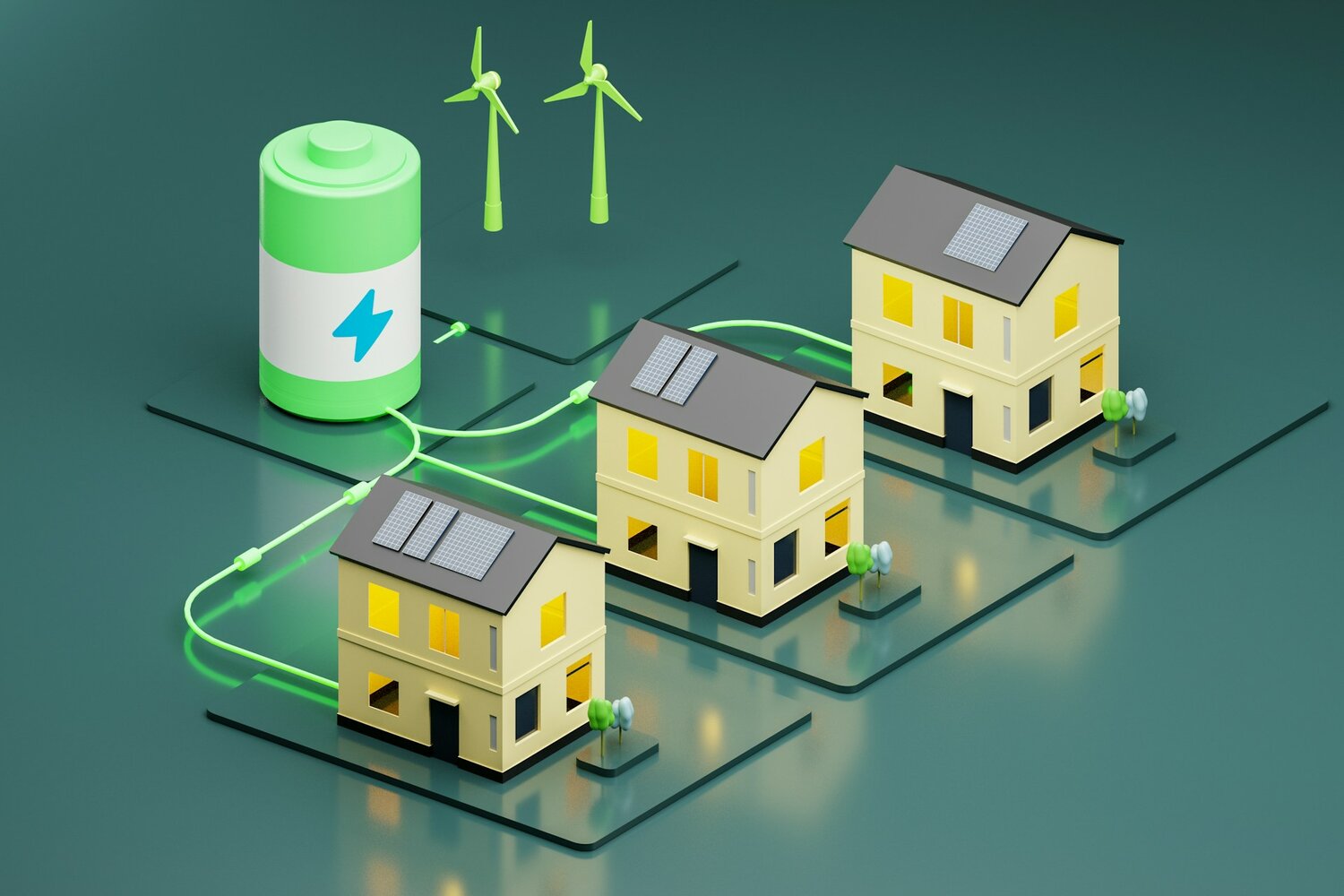
Prevalon’s HD5 AC shifts more storage work into the factory. The system is built to reduce field complexity, commissioning delays and project risk.

DartPoints acquired a 343,000-square-foot campus in Lexington, Kentucky, with an owned substation and a path to 70 MW, targeting AI, hyperscale, and neo-cloud demand.

AI data centers need power faster than grids can expand. That gap is raising new reliability, pricing and project risks for businesses.
Idaho's April trade mission to Japan and Micron Technology's accelerated Boise fab timeline are positioning the state inside the semiconductor and AI supply chain buildout reshaping U.S. industrial geography.

The California ISO Board of Governors approved 38 transmission projects totaling $6.7 billion to meet rising load demand and expand access to renewable energy basins across California by 2035.

The move toward Iceland, Norway, and northern Canada is being driven by cooling physics and long-term climate trajectory as much as by renewable energy access.

ABTC’s Nevada recycling facility posted record revenue and positive gross margin. The quarter shows early traction, though expansion risks remain.

Vermont's Sustainable Data Centers Act has cleared both Senate committees and is now at third reading following a 26-to-3 floor vote on amendments.

FERC approved PJM's updated transmission cost assignments on May 15, covering 358 new reliability projects effective June 14, 2026, with a 30-day compliance filing required on cost allocation methodology.

NERC puts 13 of 23 North American grid regions at elevated or high risk. When mutual aid fails because neighboring regions are stressed simultaneously, continuity plans built for single-region events break down.
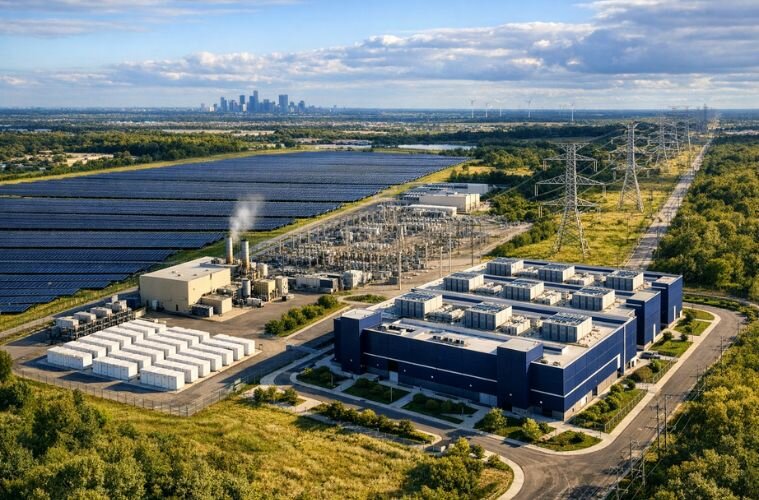
The leading edge of corporate energy procurement in 2026 is not a sustainability conversation. It is an infrastructure conversation.

A convergence of policy changes, carbon pricing, corporate decarbonization pressure, and rapid growth in corporate PPAs is reshaping how companies operating in Japan evaluate electricity procurement.