

A new global coalition aims to define sustainability standards for AI data centers as energy and water pressures intensify worldwide.

Data centers using 20 megawatts or more would need state approval, decade-long grid contracts, and quarterly water reporting under Vermont's new bill.

In agriculture, materials, transport, and heavy manufacturing, absolute emissions haven't fallen at the required pace. The gap isn't about ambition — it's about structural constraints

Gas bills are rising faster than inflation, driven by infrastructure costs. Businesses face growing pressure to rethink energy strategy.

A new NRC rule is reshaping how advanced nuclear gets approved. AMPERA is among the first to engage, testing a faster path for microreactor deployment.

Permit timelines are stretching. Usage caps are being introduced. The regions that were supposed to make the next decade of growth easier are getting more complicated.

ABB’s South Carolina site shows how legacy facilities can modernize efficiently. Solar, data, and phased upgrades cut energy use without slowing output.

Karnataka's new clean energy incubator signals how regional governments are taking commercialization into their own hands rather than waiting for national policy.

How much of your portfolio exposure sits in land and environmental risk your current compliance framework was not built to catch?

A Louisiana project is turning wood waste into steady electricity. By pairing biomass with carbon capture, it aims to remove more carbon than it emits.

Old concrete is being reengineered into a usable construction input. New methods could cut emissions while reducing reliance on virgin materials.

Stone bricks are re-emerging as a lower-carbon alternative in construction. Eco Outdoor’s approach cuts emissions while reusing quarry waste.
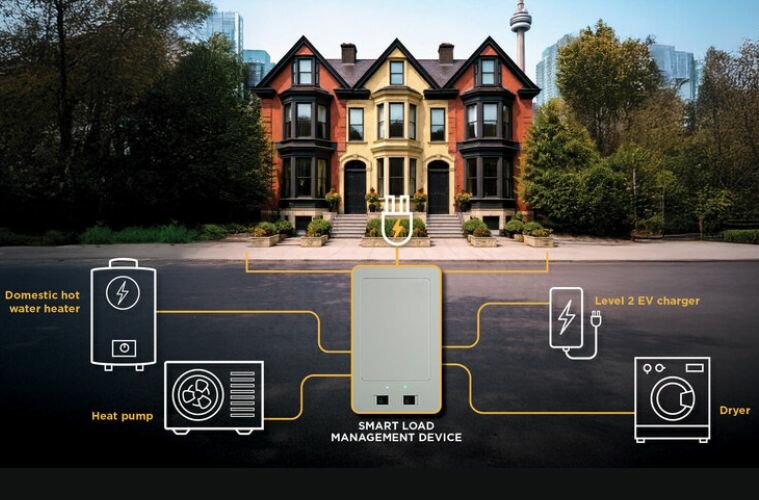
The Multiplex PowerPlay pilot funds smart load management systems that balance energy consumption in real time, keeping demand within existing panel limits without requiring a full service upgrade.

A brewery is generating CO₂ from air on site. The model shows how carbon capture can stabilize supply chains and reshape industrial sourcing.

New Jersey is adding large-scale battery storage to ease grid strain. A 150 MW project aims to stabilize prices and support peak demand.

Virginia’s SB651 could expand the state’s underground transmission pilot program, raising questions about cost-sharing, project eligibility, and impacts on local utilities and ratepayers.

The money is ready. The projects aren't. That mismatch is defining the green infrastructure market in 2026 — and creating real decisions for executives who want to be on the right side of it.

Steel and cement together account for nearly 15% of global CO2 emissions. The technology exists. The infrastructure doesn't.
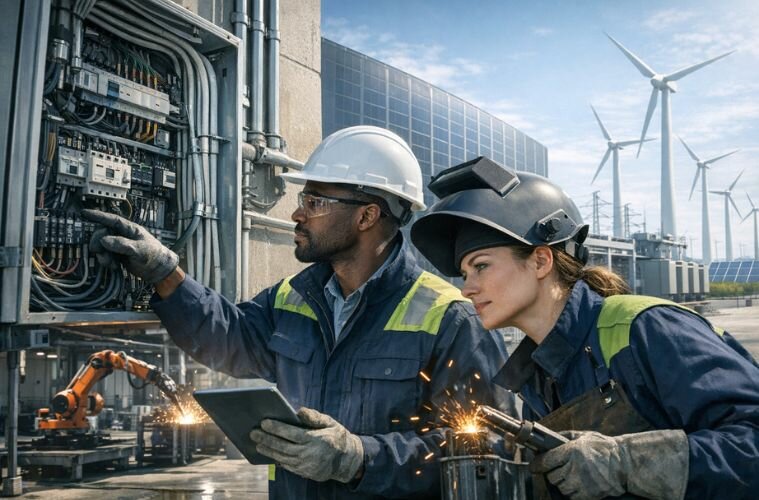
Trump's reshoring push, AI disruption, and a 500,000-worker skilled trades gap are converging — and infrastructure decarbonization is caught in the middle.
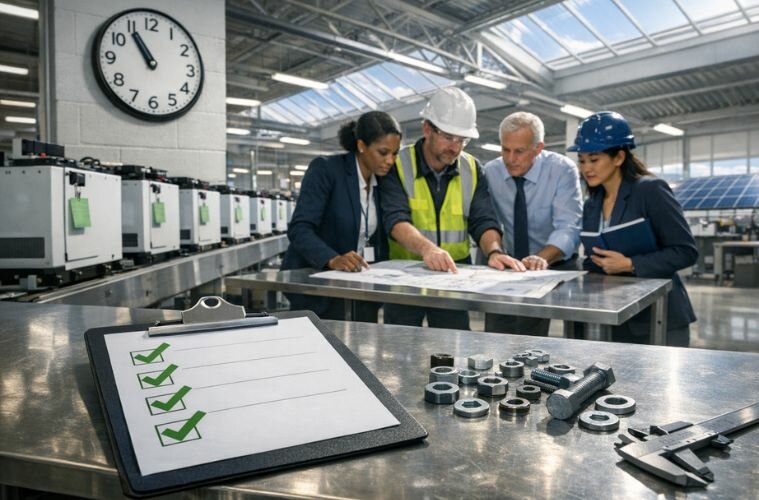
The window is closing. The credits survived. Most companies still don’t have a process to claim them.