

The federal mining agency has repealed 14 obsolete coal rules, aiming to simplify oversight. Core environmental protections under SMCRA remain fully in place.

IAEA launches a pilot SMR regulatory school as countries strengthen safety frameworks, build technical capacity, and prepare for next-generation nuclear projects.

FDA has withdrawn its proposed talc asbestos testing rule after reviewing 49 comments, citing technical, legal, and definitional concerns. A new MoCRA rule is planned.

A global review of 1.5 million adults finds exercise remains protective, but long-term exposure to polluted air sharply reduces its impact on mortality.

The EU’s DSA review shows large digital platforms must manage societal and environmental risks, expanding obligations for traceability and algorithmic transparency.

EPA has finalized Texas’ Class VI primacy, giving the Railroad Commission authority to issue CCS injection permits and potentially accelerating carbon storage projects.

A new model detects climate stress by reading signals in living systems. From corals to cities, CBS3 turns biology into a global early-warning network.
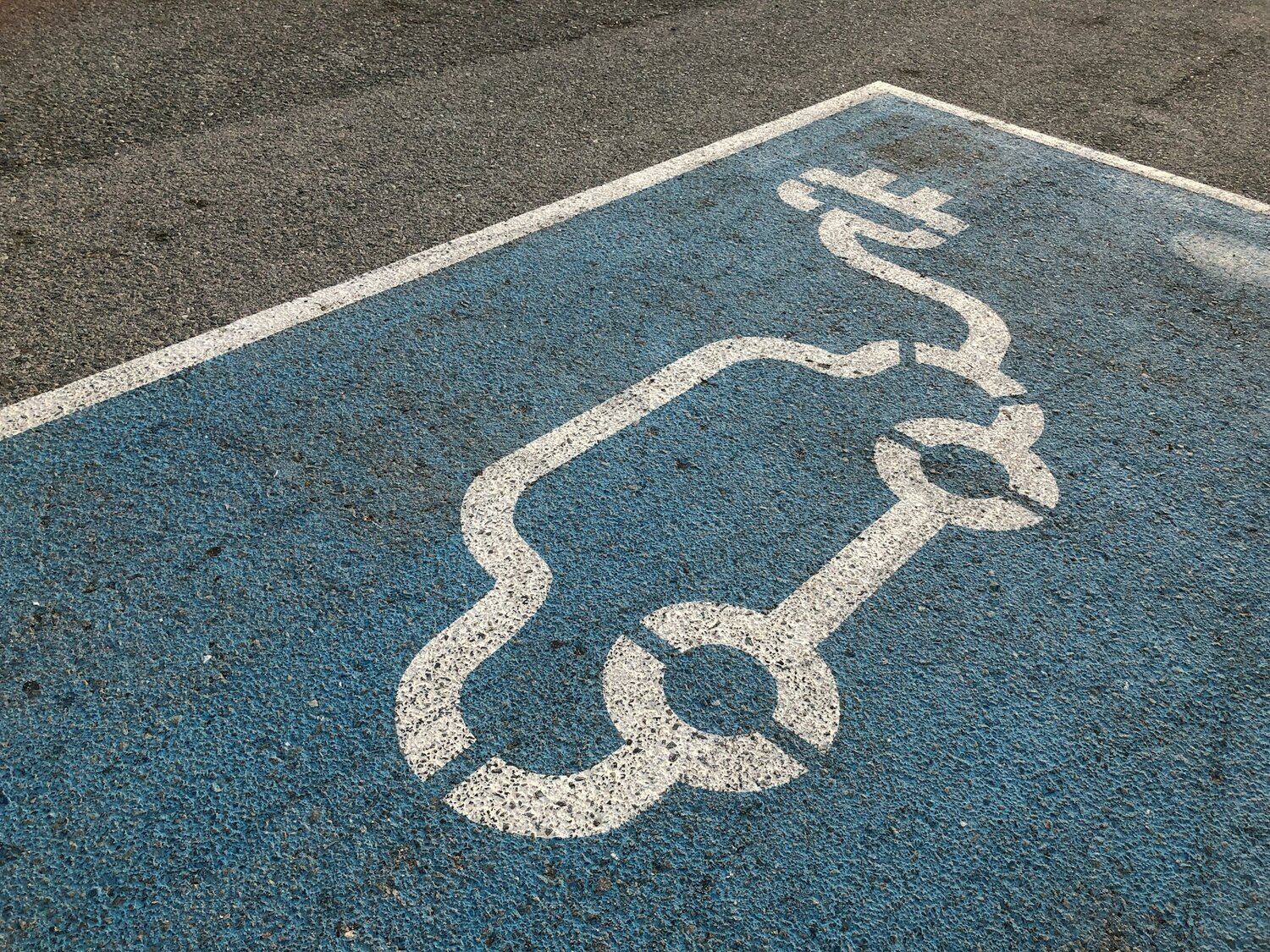
The LEPAS L8 isn't just efficient—it’s engineered for floods, crashes, and unpredictable roads. A hybrid built to endure where other EVs stall.

A new EDF global survey finds 94% of agricultural lenders view climate change as a material risk and are adapting their portfolios accordingly.

A new Indiana project grows corn with regenerative practices for use in biobased chemicals. It’s a fresh supply chain model rooted in soil health and emissions cuts.

Nebraska and Iowa defend ethanol CCS reporting, while 18 states and cities warn EPA’s GHGRP rollback would undermine climate data and Clean Air Act duties.

Japan’s new ISHL rule allowing substitute chemical names will force U.S. exporters to revamp SDS systems and could influence OSHA’s next update.

We Energies has filed plans to add nearly 3 GW of new energy capacity in Wisconsin, including solar, battery storage, and natural gas projects to meet rising demand.

GreenPowerMonitor’s new platform unifies solar, wind, and storage oversight. Designed for hybrid portfolios, it simplifies performance and reporting.

U.S. clean-tech hits pause as Europe ramps up green funding. With retrofits on hold, AI-based building optimization is emerging as a practical alternative.

Most G20 nations lack credible plans for carbon removal, risking the Paris targets. Transparency gaps and weak policies leave climate goals in doubt.

UNESCO designates 58 new Creative Cities, expanding its global network to 408 across 100+ countries, including the first category for Architecture.

ADNOC partners with SLB and Cognite to deploy AiPSO, an AI-powered system optimizing production across oil fields, enhancing speed, and boosting workforce efficiency.

Maine’s AI Task Force outlines 33 recommendations to balance innovation with data privacy, ethics, and workforce resilience.

Over 80% of a company’s environmental impact originates in its supply chain. Yet many businesses still struggle to identify, assess and mitigate risks beyond their tier 1 suppliers.