

ML-powered climate forecasts drive resilient strategies to combat extreme weather, boost sustainable agriculture, and enhance disaster preparedness.
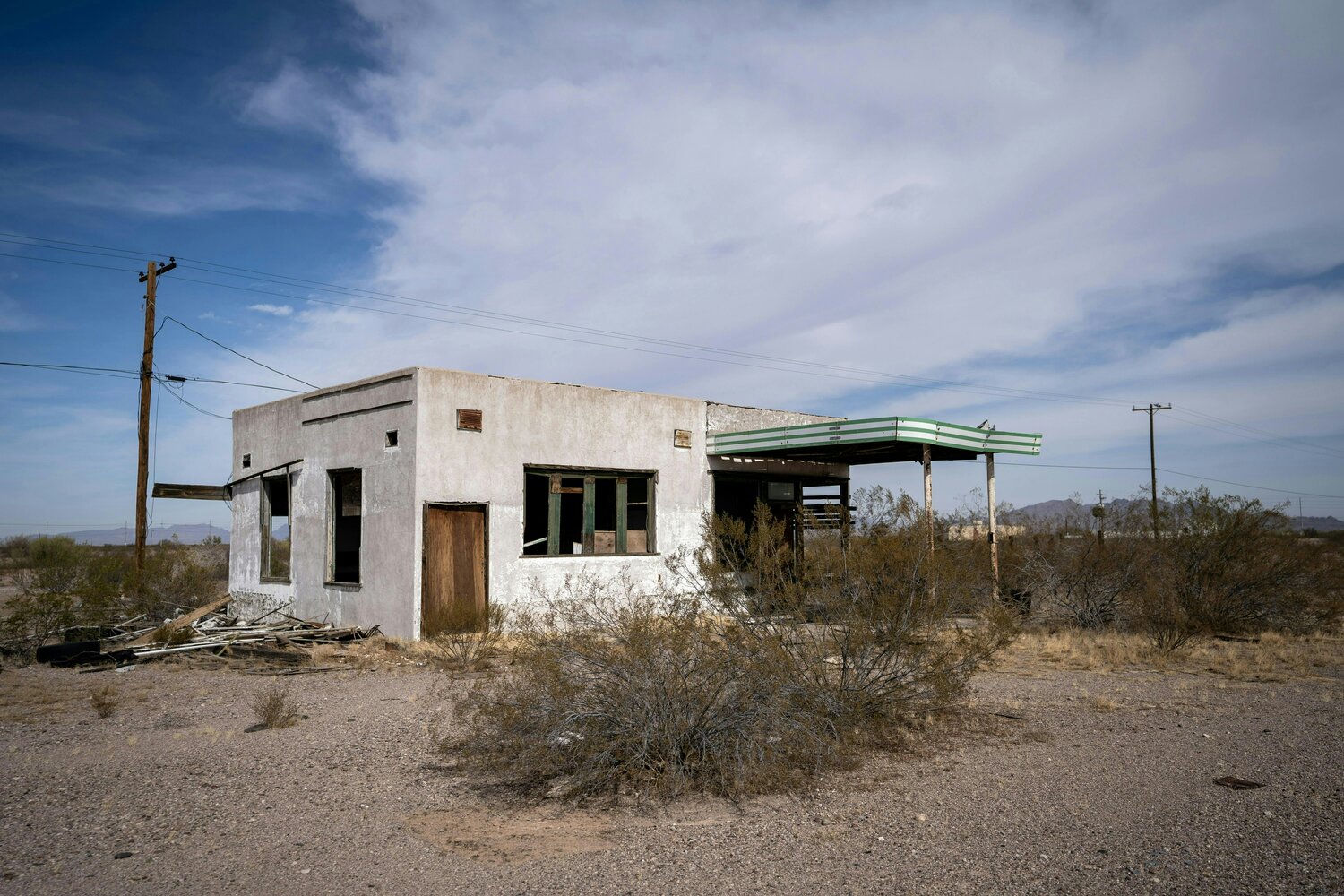
$267M in federal funding will help turn polluted, abandoned lots into new homes, green space, and small business hubs.
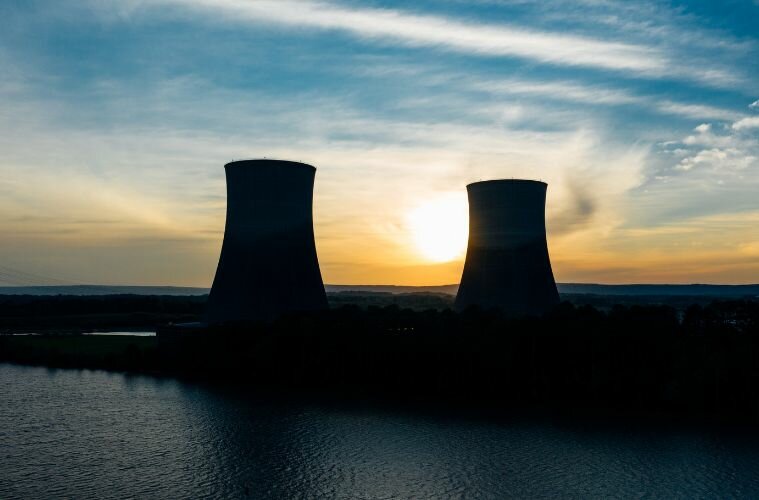
Tennessee’s HB 1133 expands tax exemptions for nuclear energy, supporting uranium processing and strengthening the state’s position in clean energy development.
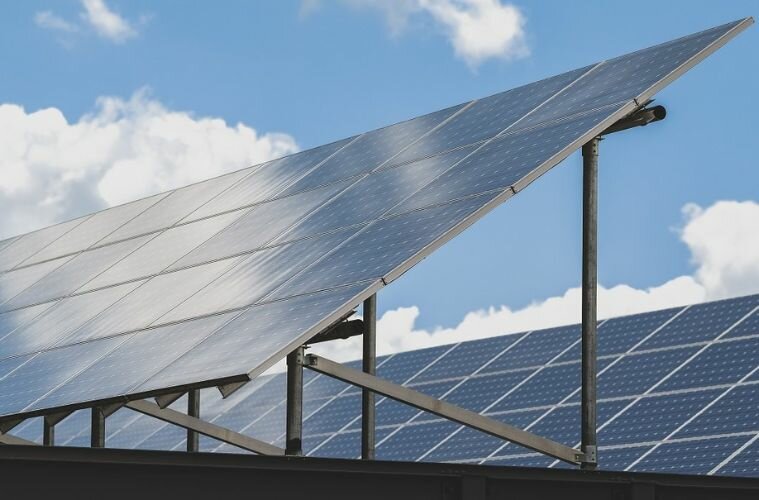
Virginia Tech advances its Climate Action Commitment with a 2.1 MW solar project, reducing emissions and expanding renewable energy education for students.

The gaming tech company has achieved ISO 14064-1 certification, enhancing carbon footprint transparency and reinforcing its commitment to corporate sustainability.
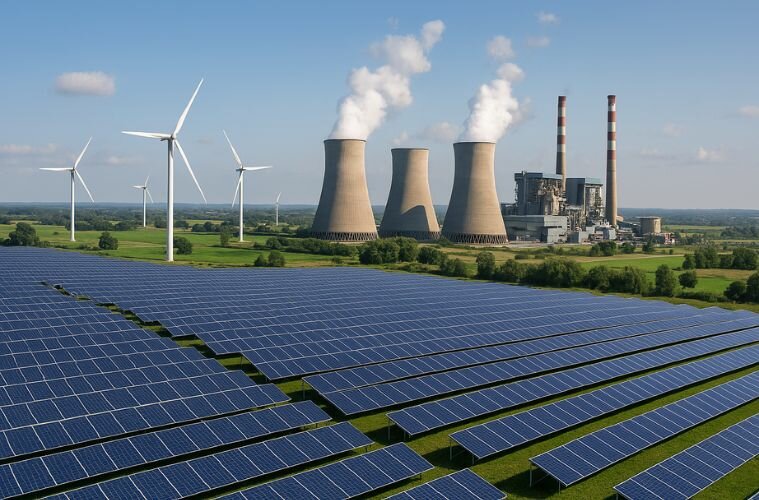
China has become the world’s first "electrostate," shifting from fossil fuels to a fully electrified economy powered by solar, wind, and battery storage. Yet, its continued coal expansion highlights the challenges of balancing growth with decarbonization.

Water loss costs U.S. municipalities $8B a year. See how CivilSense™ uses AI to identify leaks and protect drinking water in communities like Bartow County, GA.
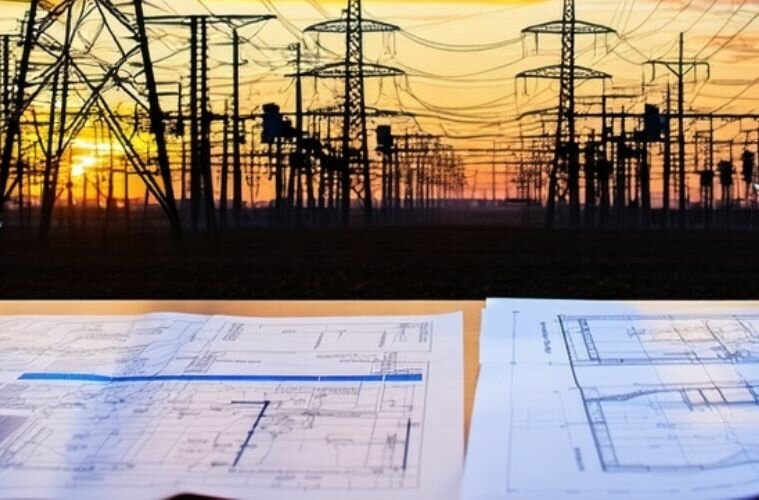
Texas Senate Bill No. 75 reinforces the state’s electric grid by establishing expert oversight and rigorous simulations to set new resilience standards that safeguard healthcare, water, communications, and transportation, ensuring public safety and economic stability.
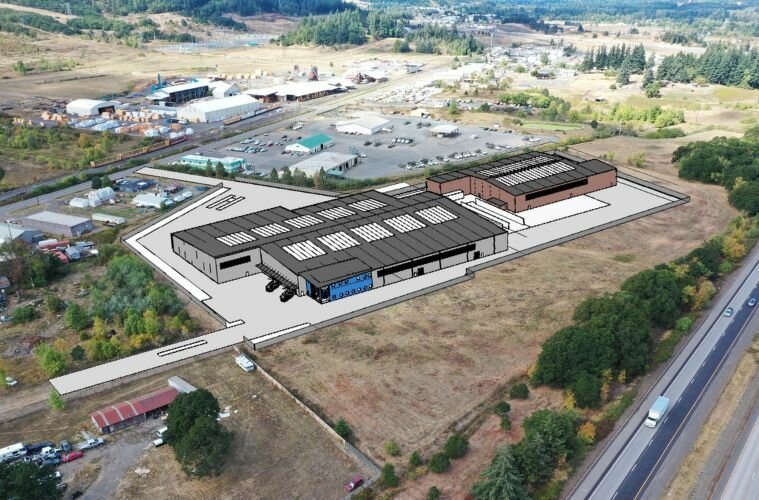
Oregon lawmakers consider a bill to support Lane County’s CleanLane project, a proposed recycling and methane extraction facility designed to extend landfill life and reduce emissions.

Enel strengthens its U.S. renewable footprint with a strategic wind farm swap, expanding its consolidated capacity and leveraging brownfield development for sustainable growth.

A new study reveals how cross-laminated timber (CLT) can play a dual role in reducing greenhouse gas emissions while reshaping forest management—though not without trade-offs for natural forests.
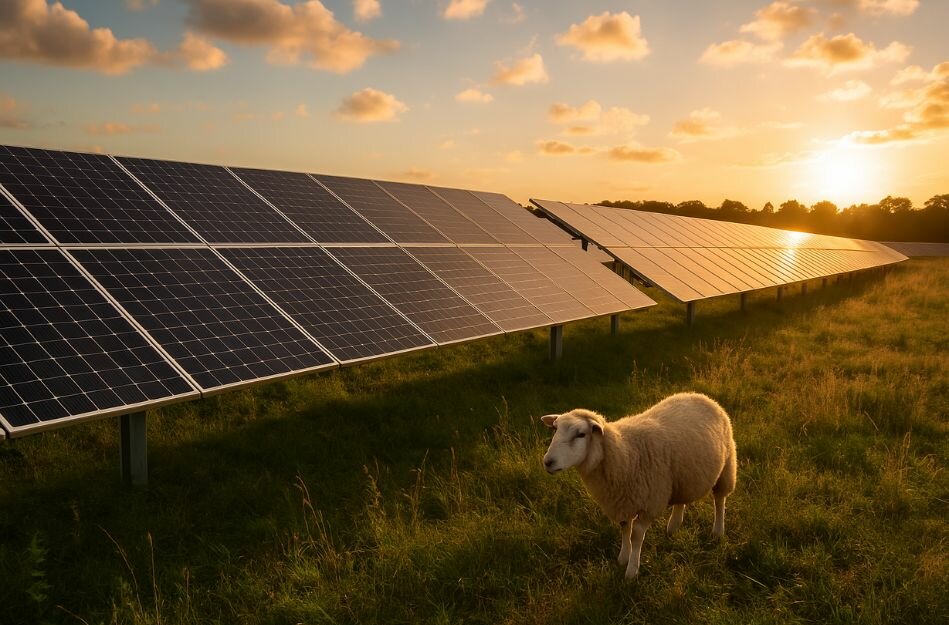
Boralex is actively engaging with local stakeholders, including town and county representatives, state officials, school districts, and community organizations, to ensure responsible integration into the areas.
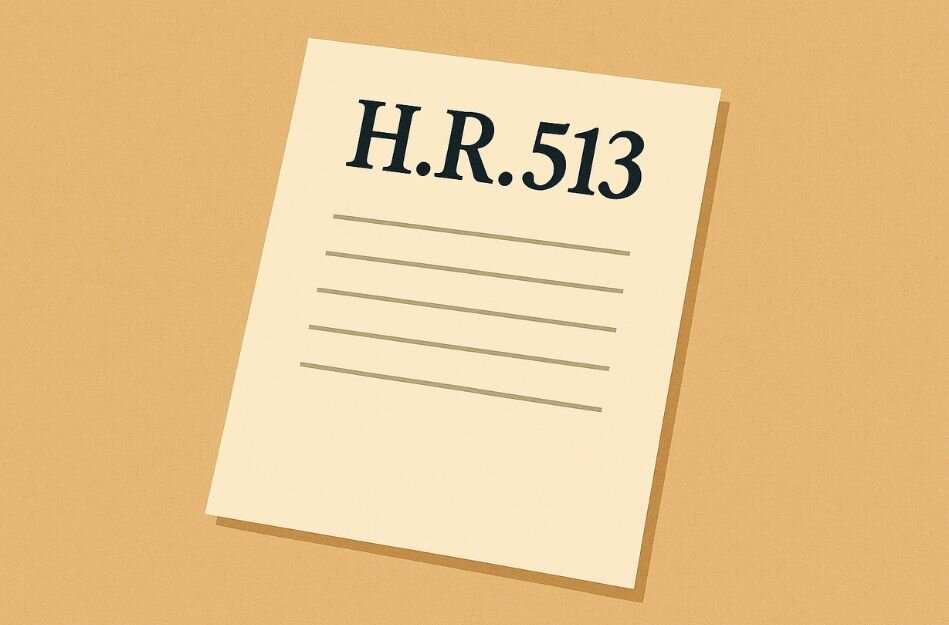
The Offshore Lands Authorities Act of 2025 (H.R. 513) has sparked a partisan debate over offshore energy policy, as Republicans push to limit presidential authority over leasing withdrawals while Democrats warn of environmental risks.
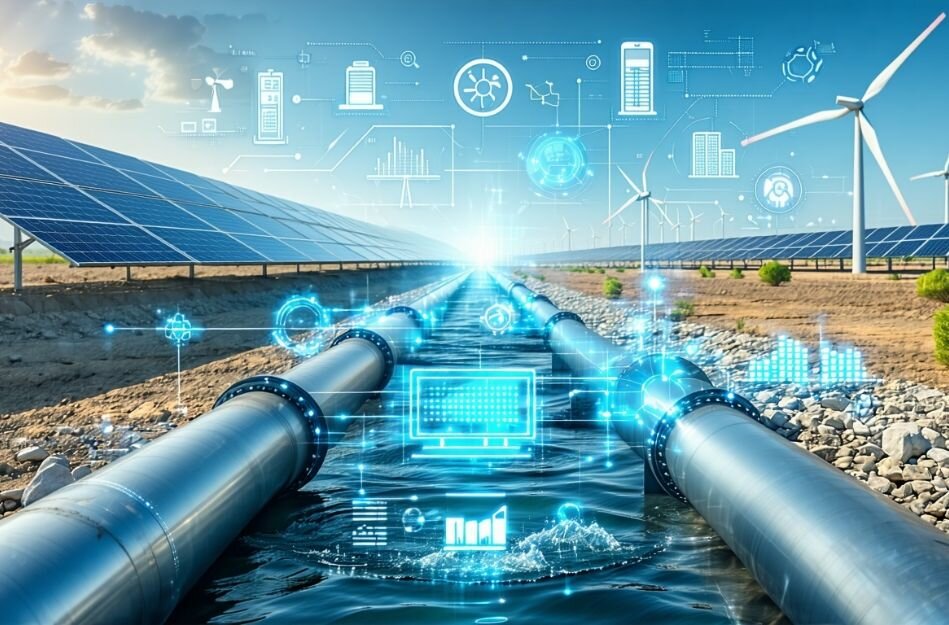
Explore Governor Newsom’s initiatives to modernize California’s infrastructure, from expediting the Delta Conveyance Project to record-breaking growth in battery storage capacity.

The steel industry’s decarbonization efforts are lagging, with persistent coal-based production threatening 2030 climate targets despite gains in electric arc furnace adoption.
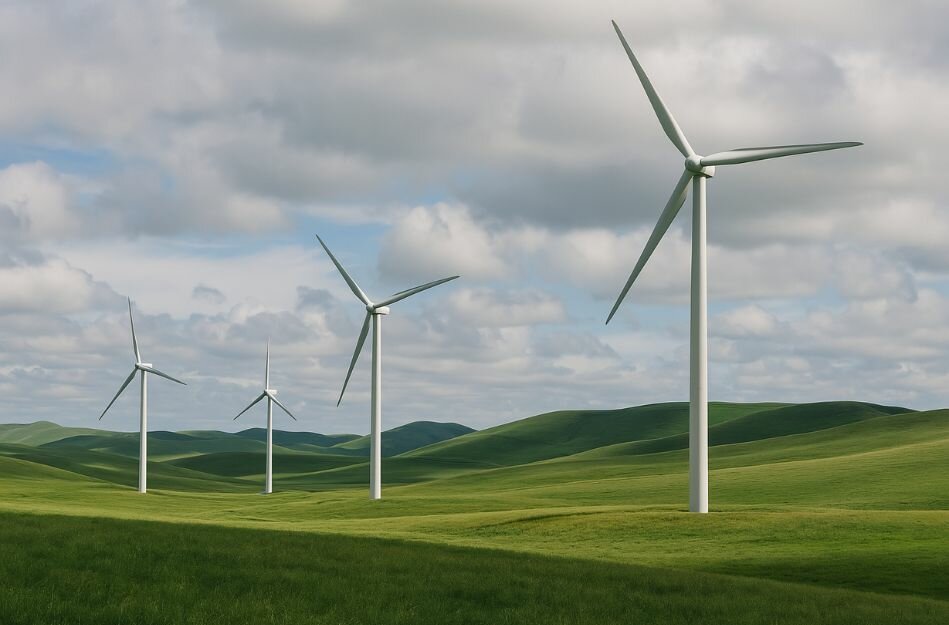
Oregon is shifting its wind energy regulations, raising the site certificate threshold from 50 MW to 100 MW. How will this impact developers and local permitting?
Pennsylvania’s General Assembly advances Governor Shapiro’s Lightning Plan, passing key clean energy incentives. The EDGE Tax Credit and Community Energy Act aim to drive billions in investment and create energy jobs.
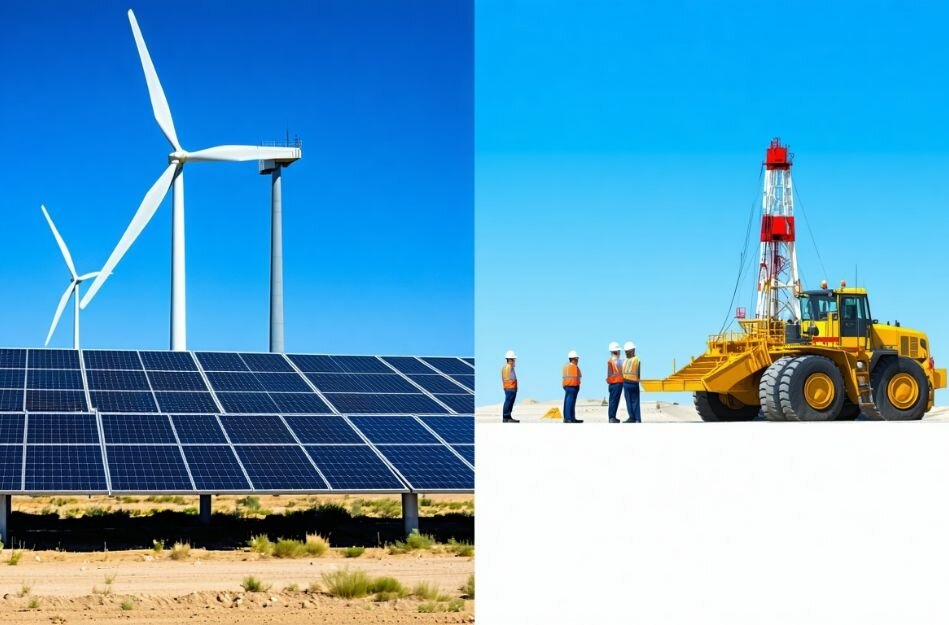
The Bureau of Land Management (BLM) announces major energy policy changes, including rescinding renewable energy incentives, streamlining oil and gas leasing, and fast-tracking permits.
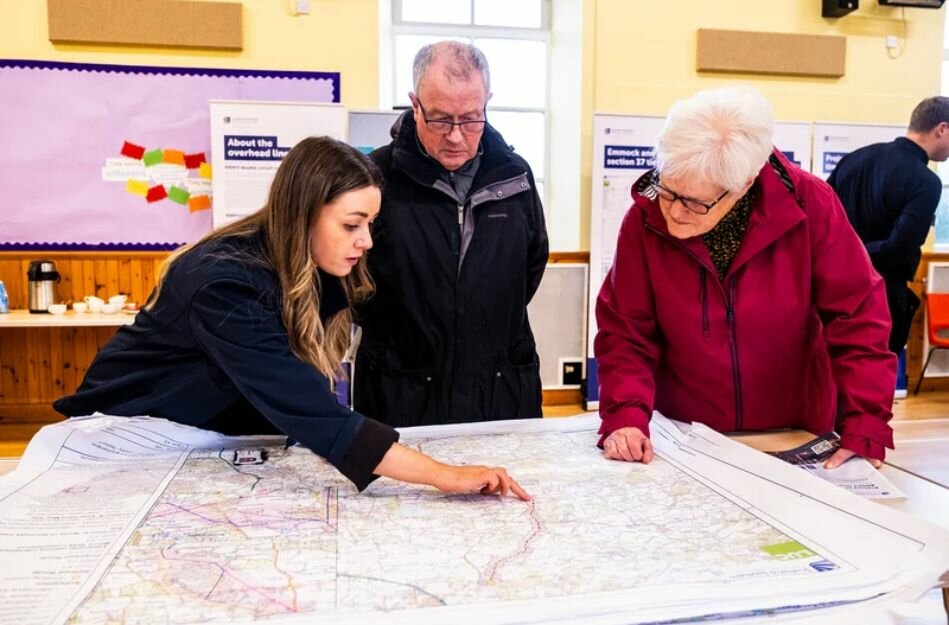
National Grid has launched a public consultation on Eastern Green Link 3, 4, and 5—key projects that will strengthen the UK’s energy security and integrate offshore wind power.

Green Recycle USA will invest $4.3 million to open a plastics recycling facility in Pittsylvania County, Virginia, creating 28 jobs and supporting circular economy goals in Southside Virginia.