

Crab shell waste may help control how bioplastics degrade in seawater. The approach could improve durability while supporting circular material use.
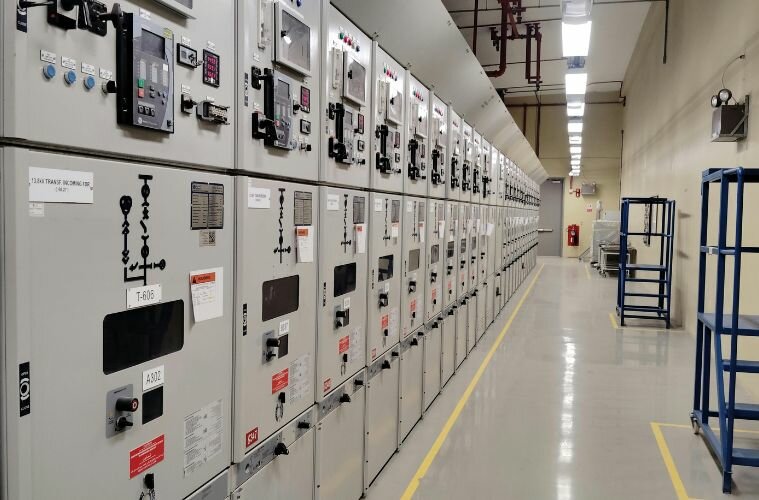
NERC flagged more regions at elevated grid risk than any prior assessment. Demand response enrollment windows are closing. Backup systems need testing before the season starts.

The disclosure system was built to capture what companies believed about themselves — their goals, their trajectories, their commitments. It was not built to verify them.

Earth Day didn't change corporate America by asking nicely. It changed it by making inaction visible — and 56 years later, that same dynamic is still at work.

Coral reefs are declining at an alarming rate worldwide. New efforts in East Africa show how partnerships and technology can deliver measurable restoration.

North Carolina is directing $215 million to 66 water infrastructure projects, with most funds rebuilding systems damaged by Hurricane Helene.

Maine voted 21–13 to ban permits for data centers drawing 20MW or more through 2027 while a new state council evaluates grid and ratepayer impacts.

After more than 15 years of effort, Ghana has officially designated a 703-square-kilometer marine protected area at Cape Three Points to address fisheries collapse and food security.

Spokane's proposed cooling ordinance would require landlords to maintain bedrooms below 80°F by 2031, building on Washington state's new portable cooling law.

The PepsiCo Foundation's VivaOliva program reflects a broader shift as food companies treat regenerative agriculture as supply chain strategy, not optics.

The environmental constraints reshaping industrial timelines across Latin America are less visible than tariffs but just as costly to underestimate.

Before you finalize your next site decision, understand what uneven water infrastructure is actually doing to U.S. industrial expansion.

The turbine market is shifting as efficiency and emissions targets tighten. Growth is being driven by policy, innovation, and rising global energy demand.

How much of your portfolio exposure sits in land and environmental risk your current compliance framework was not built to catch?

Marine protected areas face rising pollution threats from land. Without wastewater control, ocean protection targets risk falling short.
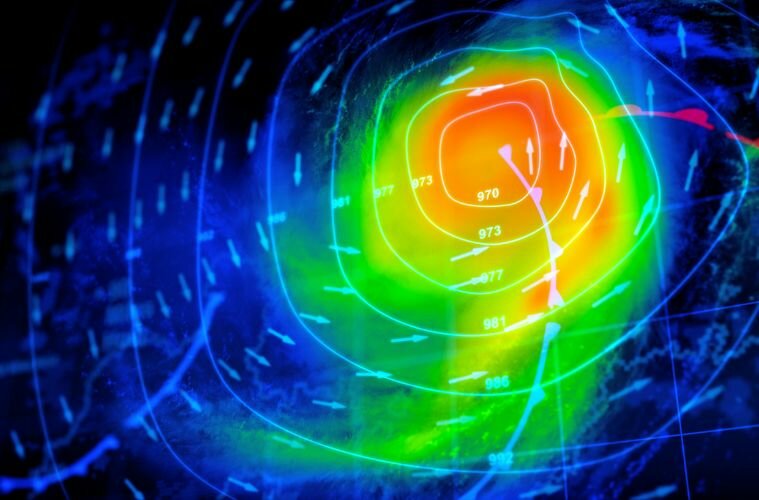
Boston University research shows how AI is improving climate predictions, helping businesses anticipate supply chain and operational risks earlier.

Water is no longer an operational input. It is a constraint on capital deployment. And unlike energy, it cannot be substituted, hedged, or easily relocated once a facility is built.

Canada has approved a chlorine-free water treatment system. The move highlights growing pressure on utilities to cut by-products.

The violations that produced the biggest penalties were not one-time failures. They were patterns that accumulated across years.

IQAir's 2025 World Air Quality Report documents a global decline in air quality. The health consequences, now including dementia, carry a $8.1 trillion annual price tag.