

The Global Environment Facility's latest funding cycle prioritizes biodiversity, climate resilience, water management, and clean energy projects through 2030.
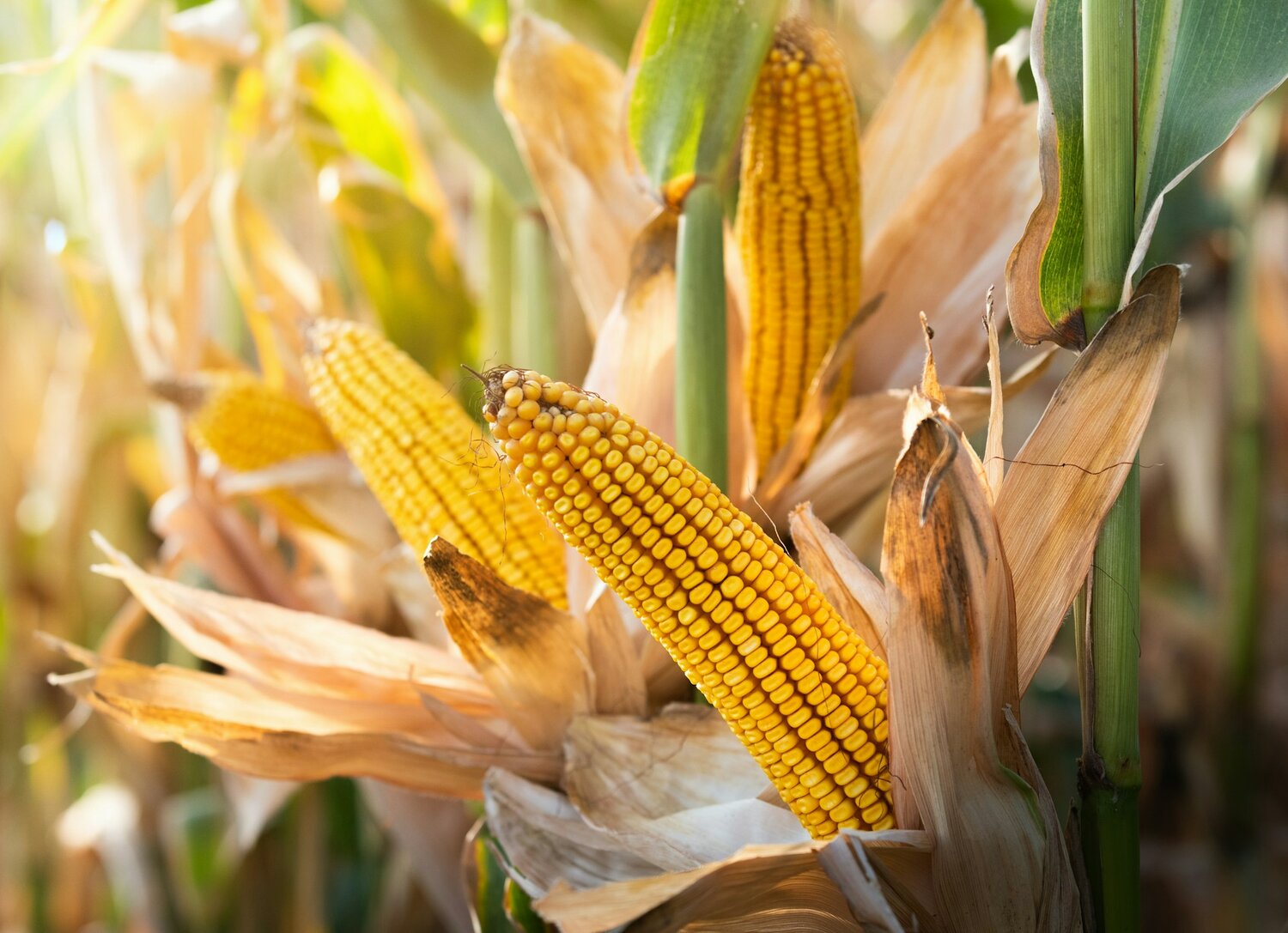
Bio-PDO is moving from green claim to measured carbon data. The latest LCA gives buyers clearer evidence on renewable inputs.

Connecticut DEEP opened two urban and community forestry grant programs totaling $1.23 million, with August 2026 application deadlines and a note that future federal funding is not expected soon.
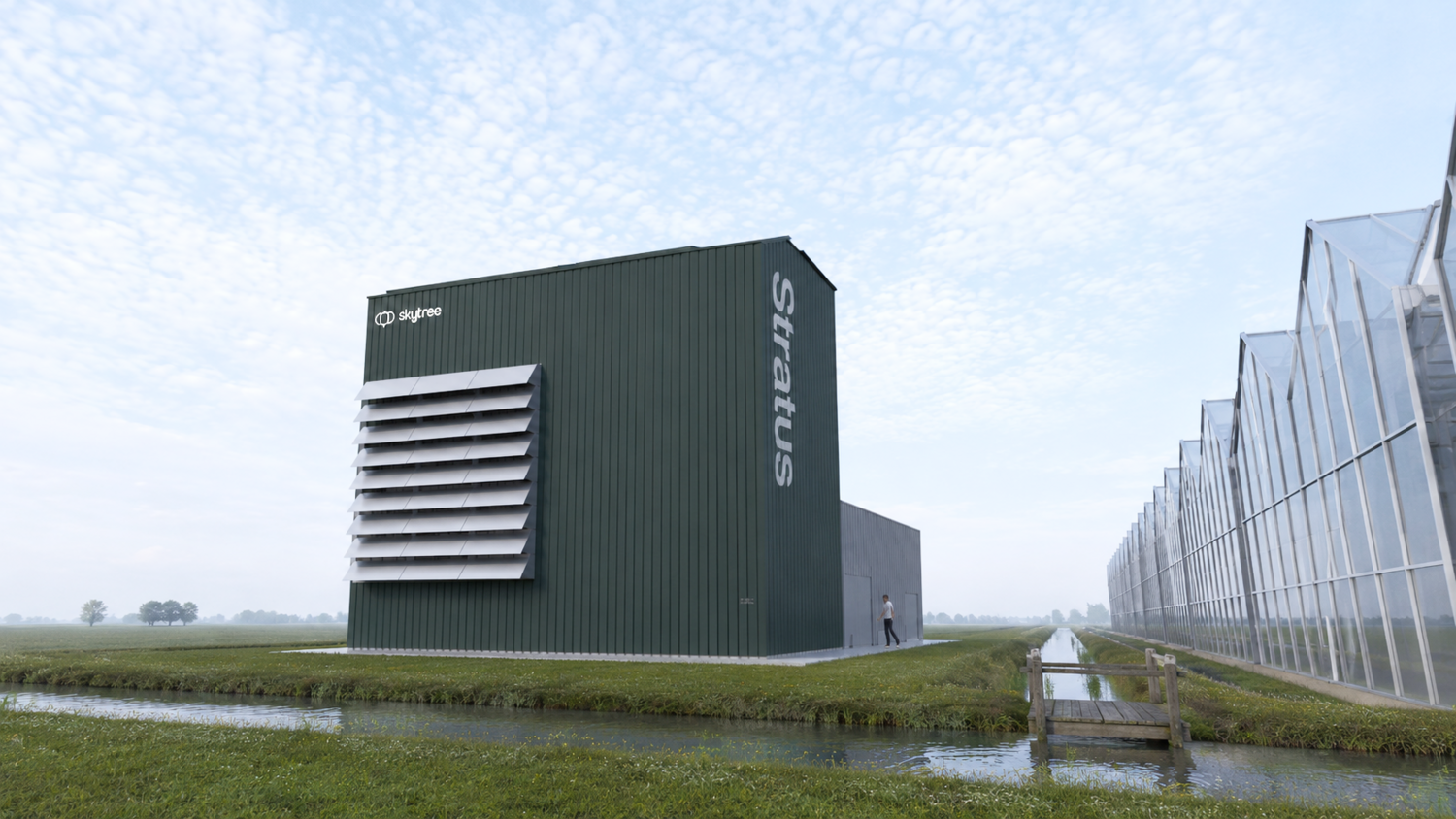
Skytree and Lingezegen Energy are bringing direct air capture into Dutch greenhouses. The project could make fossil-free CO₂ a practical crop input.

Colorado River storage is shrinking. Businesses face tighter water planning, higher supply risks and fewer buffers against dry years.

Las Virgenes is testing subsea desalination. The project could add a local supply option as drought and imported water risks grow.
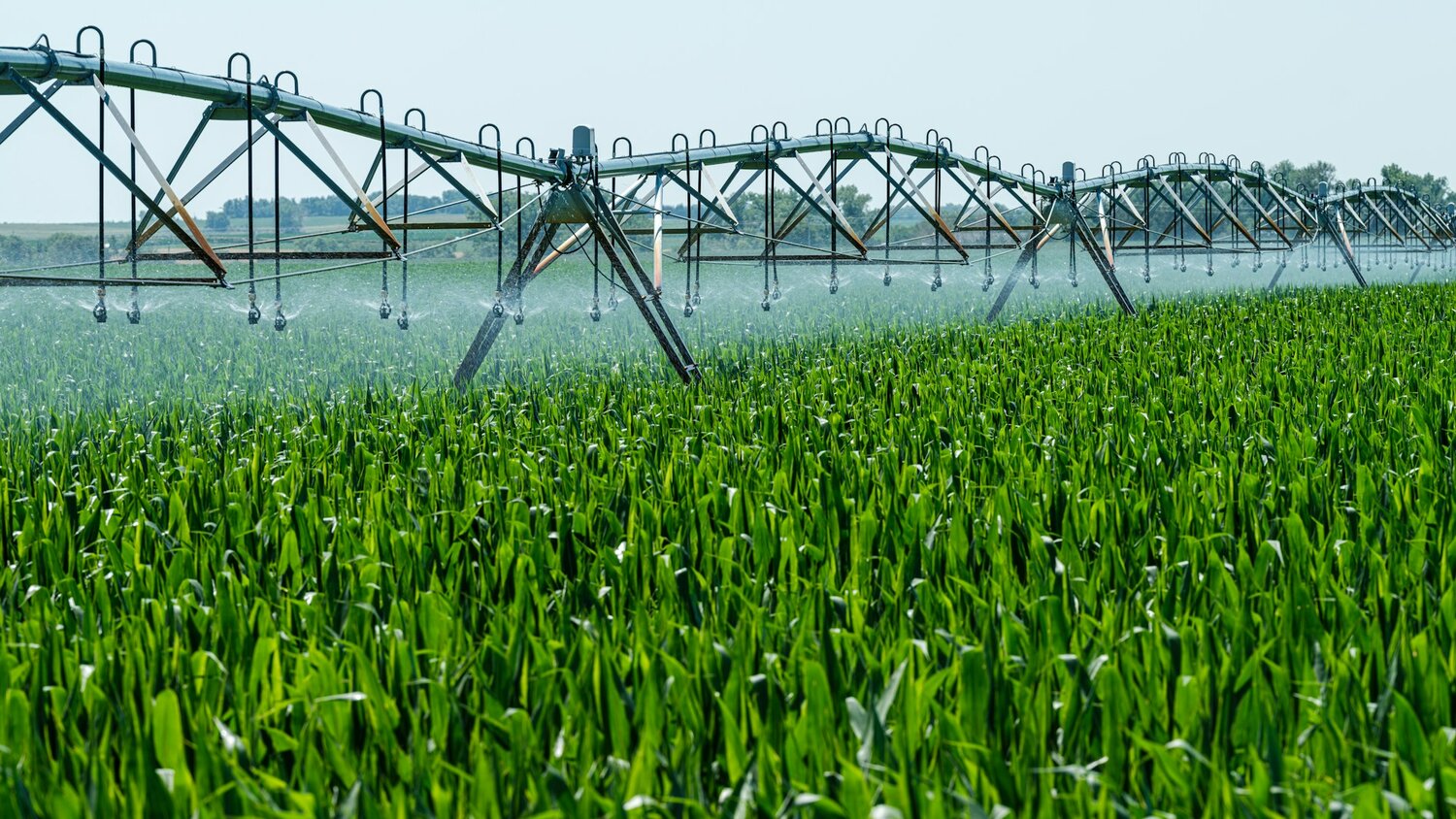
Water risk is becoming a business issue for agriculture-linked companies. A new Bluerisk guide sets out practical steps to strengthen supply chain resilience.

Contrails.org has launched open data for airlines. The tool shows where contrails form, helping teams target warming cuts without sweeping fleet changes.

Research finds most carbon offset programs fail to deliver real emissions reductions. As net-zero strategies depend on offsets, the credibility of those claims faces widening scrutiny.

FireRock’s turf shift cuts water demand. It also keeps more tee times open as desert golf operators rethink winter overseeding.

Tiny species are driving a bigger recovery story. Lord Howe Island’s invertebrate rebound shows why invasive species work matters.

OSHA extended its Heat National Emphasis Program through April 2026 and is actively citing through the General Duty Clause, producing over $2 million in heat-related penalties in 2024.

DJI Agriculture's 2025 industry report tallies 51 million tons of cumulative CO2 reductions and 410 million tons of water saved from over 600,000 deployed drones globally.

EPA's industrial stormwater permit expired February 28 with no replacement finalized. Facilities operating under administrative continuance are fully inspectable heading into summer storm season.

Worker heat exposure is moving into mandatory disclosure in Australia, the EU, and several U.S. states at the same time. Most ESG reports have not kept pace. Here is what is changing.
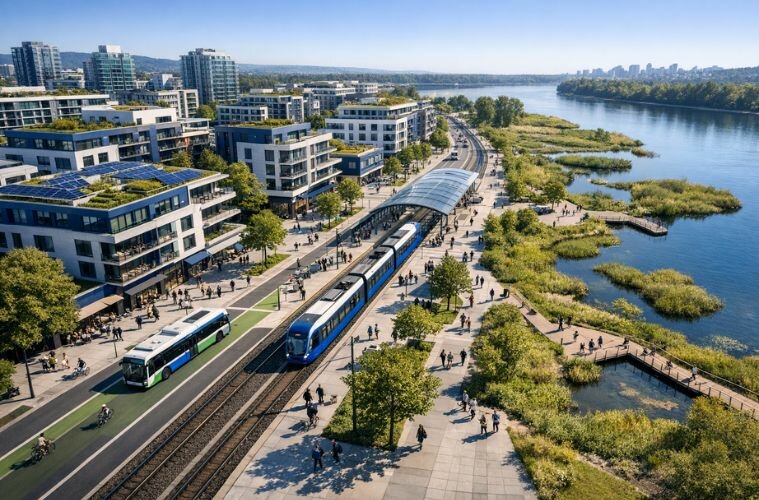
C40 Cities and UN-Habitat's Urban Planning Accelerator launched at the World Urban Forum with 33 cities committing to compact, climate-responsive development by 2035.

As heat seasons grow longer and grid stress events hit more frequently, the transition points that were always the weakest links in temperature-sensitive logistics are failing at higher rates.

Mexico's CFE declared grid emergencies three times in summer 2024 and reserve margins hit 3% in May of that year. For manufacturers who relocated to Mexico, summer reliability risk was not in the original location analysis.

El Nino drought cut hydropower output across South America in 2024-2025. For procurement and finance teams with Latin American operations, that is a seasonal power cost and curtailment risk standard contracts do not address.

Two Adirondack Park towns passed battery storage moratoriums in March, bringing New York's total to 98. More than 1 GW of planned capacity is delayed as state fire codes and permitting legislation advance.