

Industry Voice: Joe Sczurko explains why interconnected risks—from climate change and cyber threats to aging infrastructure—demand integrated, collaborative solutions.

Tire wear particles are flooding ecosystems and entering supply chains. As microplastics rise on the regulatory radar, businesses need to act before mandates hit.

An Indiana-based partnership has recycled over 1M pounds of medical plastics. Their approach targets hard-to-recycle waste from the orthopedic industry.

The IEA reveals soaring global air‑conditioning demand is straining grids and deepening inequity, driving the need for efficient cooling solutions and policy action.

Biodiversity decline is driving up costs for UK food producers. A new report warns the sector must adapt or face long-term financial and ecological fallout.

UConn receives top Connecticut awards for EV charging expansion, emissions cuts, and student-led energy and water conservation.

Imenco joins C‑Power’s SeaRAY AOPS 18‑month field test, bringing AI subsea systems to explore new power and data use cases for the ocean economy.

Discover how geo-exchange networks transform the Earth into a natural battery, providing efficient, low-carbon heating and cooling for campuses and communities while reducing costs, grid strain, and emissions.

Apollo’s acquisition of Trace3 aims to scale AI and cloud services, but rising data center power and water demands pose growing environmental and grid challenges.

Study finds human-driven warming has shifted California’s wildfire season up to 46 days earlier in some regions, increasing risks and planning challenges.
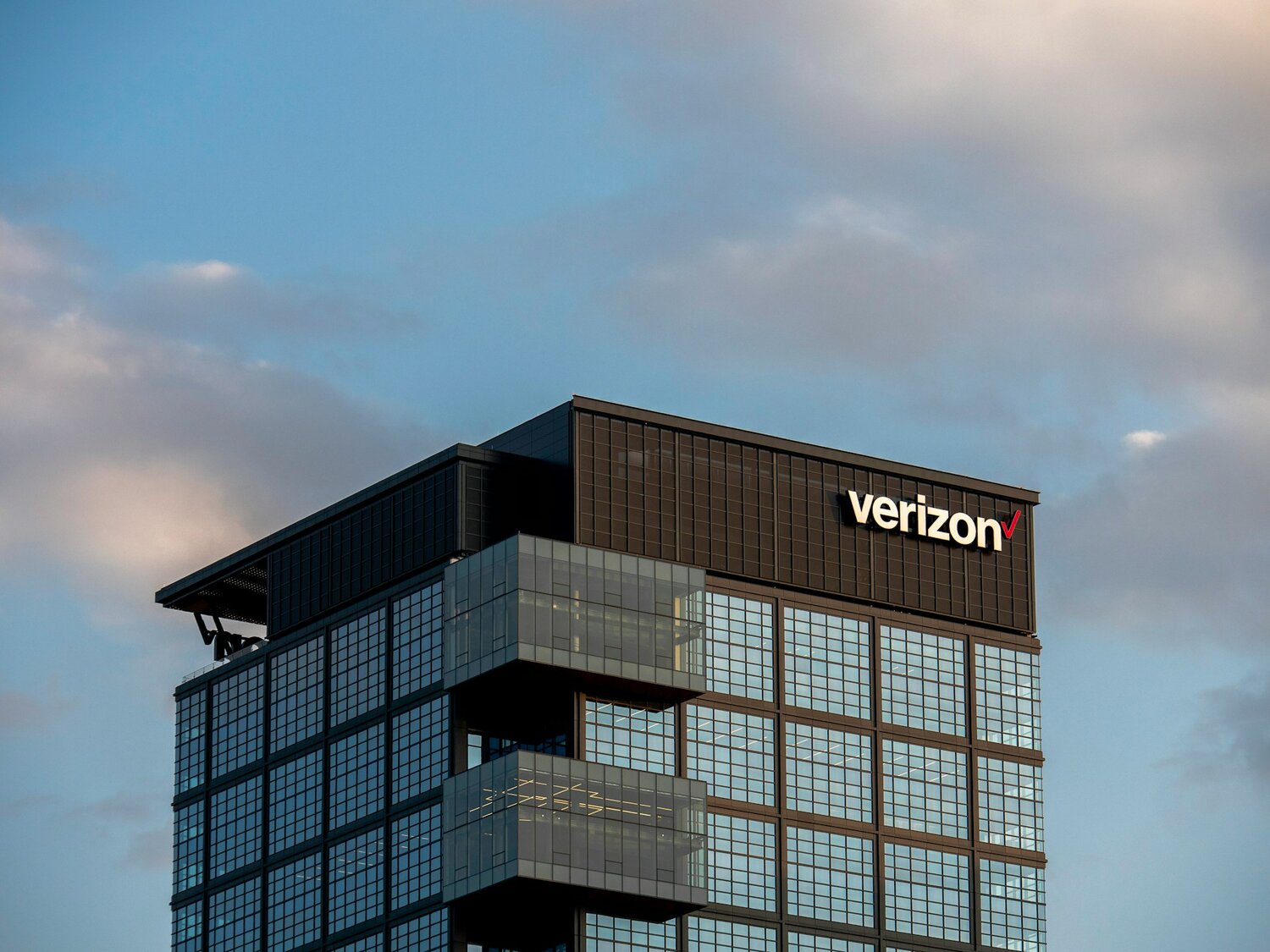
Verizon is rolling out AI-powered flood sensors across Chicago. The system delivers early warnings and data to help communities respond to severe weather faster.

GrubMarket's two-year initiative blends AI, reforestation, and farm aid. Progress is real—but long-term success hinges on adoption and resilience.

CEC’s $55M Fast Charge California Project funds up to 100% of DC fast charger installation costs, prioritizing disadvantaged and tribal communities.

Bowman will lead lidar mapping across GA, TN, AL, and SC after Helene. The project supports federal efforts to boost climate response and infrastructure planning.

A Washington State University study finds groundwater in parts of eastern Washington is dropping 2–3 feet annually, threatening irrigation and drinking water supplies in the Odessa region and Yakima Basin.

Wildfires are now a year-round crisis, burning hotter and faster across the U.S. Discover how insurers, AI technology, and community action are shifting from payouts to prevention to protect lives, homes, and landscapes.

Record krill catches and failed conservation talks have exposed major flaws in fishery management. Industry faces mounting pressure to adopt new safeguards.

Retentis by AgroBiogel is a wood-based hydrogel that cuts irrigation needs by 40%, improves soil health, and helps farmers adapt to drought and fertilizer loss.

Between 2003–2021, land plants boosted global photosynthesis while ocean algae declined, revealing a climate shift with long-term carbon and ecosystem risks.

As climate risks rise, resilience remains deeply unequal—especially for youth. From Bangladesh to the Netherlands, adaptation is shaped by geography and power.