

Shell and Natrx are scaling modular, nature-based systems to protect coastlines. The collaboration blends ecological design with real-world deployment.

Sixteen U.S. universities ranked in the global top 100 of the QS Sustainability 2026 list, driven by strong research, ESG governance, and environmental education.

New research shows that shifts in Southern Hemisphere westerly winds can rapidly alter storm patterns, rainfall, and climate risk across mid-latitude regions.

A new Penn State study finds higher melanoma rates in counties with more cropland and herbicide use, raising concerns about agriculture and cancer risk.

DOE renews emergency orders to boost Puerto Rico’s grid ahead of peak demand, building on earlier actions that restored 820 MW and improved system reliability.

Duke Energy Foundation awarded $300K to 13 Florida groups supporting water quality, habitat restoration, forestry, and climate resilience initiatives statewide.

A new model detects climate stress by reading signals in living systems. From corals to cities, CBS3 turns biology into a global early-warning network.

A hailstorm damaged 13,000 vehicles at Kia’s Georgia plant. Now, a 10MW solar canopy shields inventory and supplies clean energy to the facility.

A new EDF global survey finds 94% of agricultural lenders view climate change as a material risk and are adapting their portfolios accordingly.
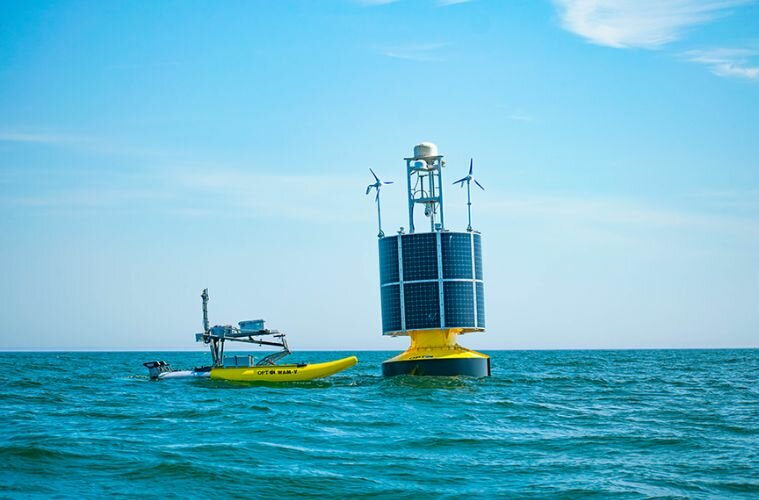
Ocean Power Technologies and Mythos AI will integrate advanced autonomy software into WAM-V and PowerBuoy platforms, expanding capabilities for defense and commercial users.

Indigenous communities protect the world’s largest forests—but mining, oil, and logging projects are rapidly advancing on their land. Climate goals are at risk.

The UN says global climate pledges would cut emissions just 12% by 2035—far short of the 60% needed to stay within 1.5°C. Scientists warn the window is closing.

AI servers could consume 245 TWh of power and over 1 billion m³ of water by 2030, making energy and water the real bottlenecks in the race to scale artificial intelligence.

BlueGreen’s BGi platform uses AI and satellite data to predict harmful algal blooms early. It helps water managers act before public health is at risk.

Synagro has acquired Nutri-Blend’s assets, expanding its services in Virginia. The move deepens local partnerships and supports sustainable land use.

Nebraska and Iowa defend ethanol CCS reporting, while 18 states and cities warn EPA’s GHGRP rollback would undermine climate data and Clean Air Act duties.

The Green Climate Fund approved $3.26B in 2025, its largest annual total, signaling progress toward scaling climate finance and adaptation globally.

South Carolina's largest conservation deal keeps 62,000 acres forested and productive. It’s a new model for climate resilience without economic trade-offs.

The UN’s fourth Just Transition Dialogue outlines energy, finance, and workforce priorities for equitable climate action and sustainable development.

A new rapid attribution study confirms that human-driven warming made Hurricane Melissa more intense, more destructive, and far more likely to occur.