

SuperHub Meerstad merges sustainability, renewable energy, and multifunctionality to create a future-ready community hub in the heart of a growing city.
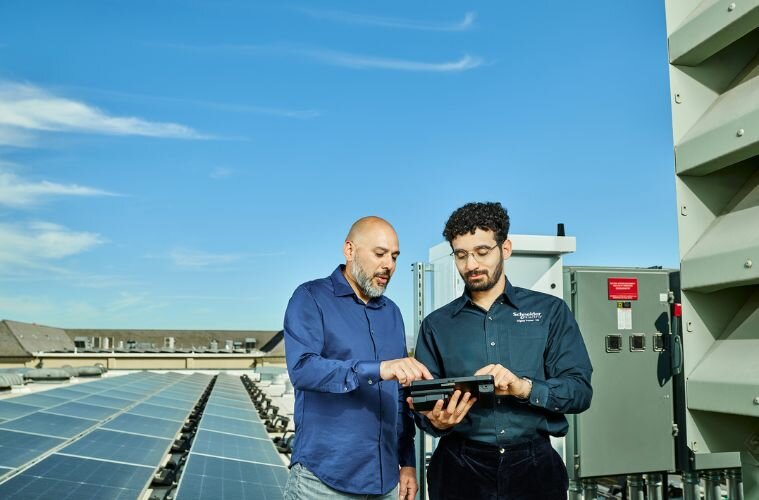
By implementing a microgrid that combines solar power, battery storage, and backup generation, the winery ensures uninterrupted operations while drastically cutting carbon emissions.

Cuba’s push for renewable energy is a step in the right direction, but it falls short of addressing the immediate challenges of its struggling electrical system.
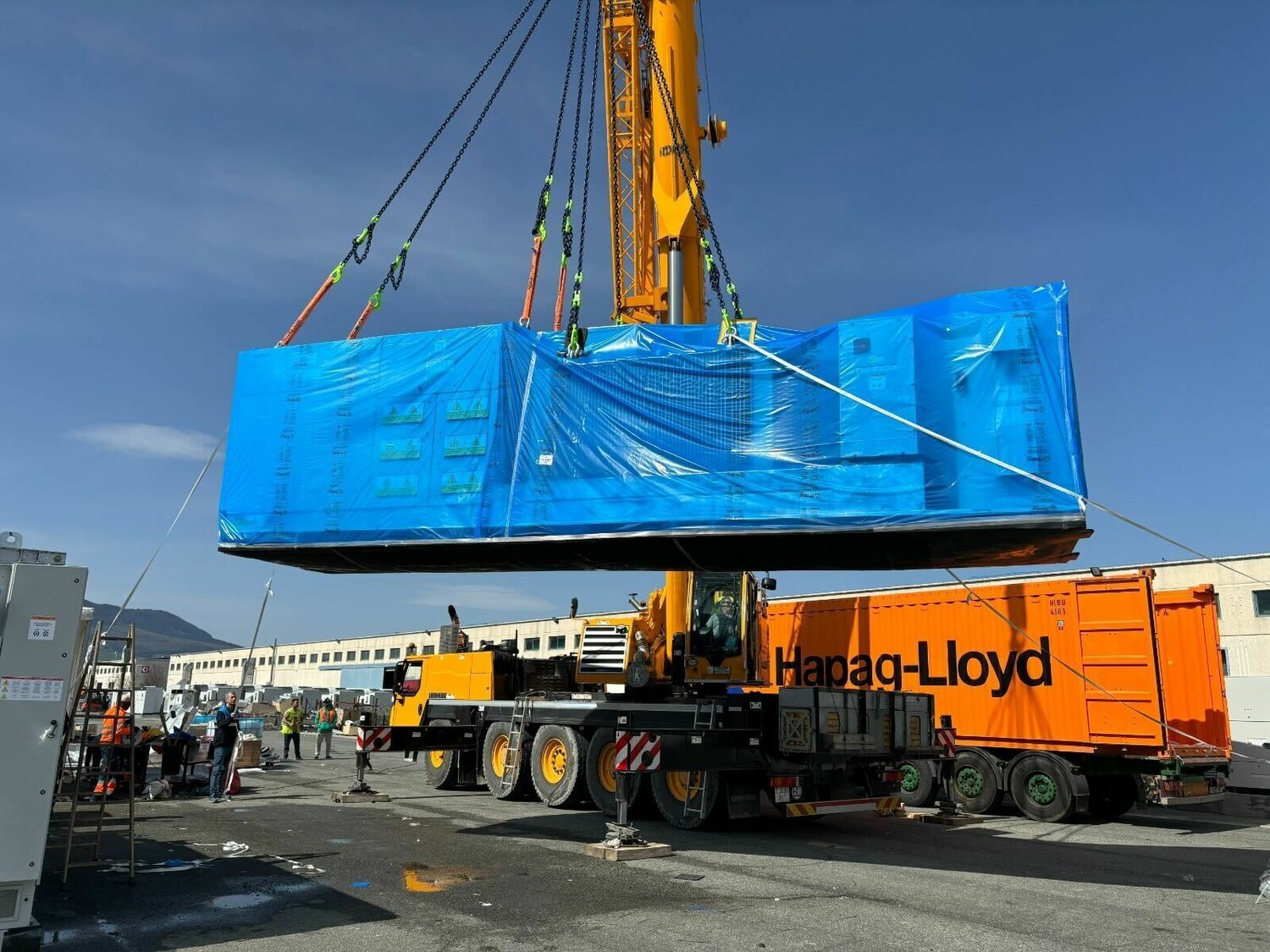
Electric Hydrogen teams up with Ingeteam to cut costs and improve efficiency in large-scale green hydrogen projects across Europe.
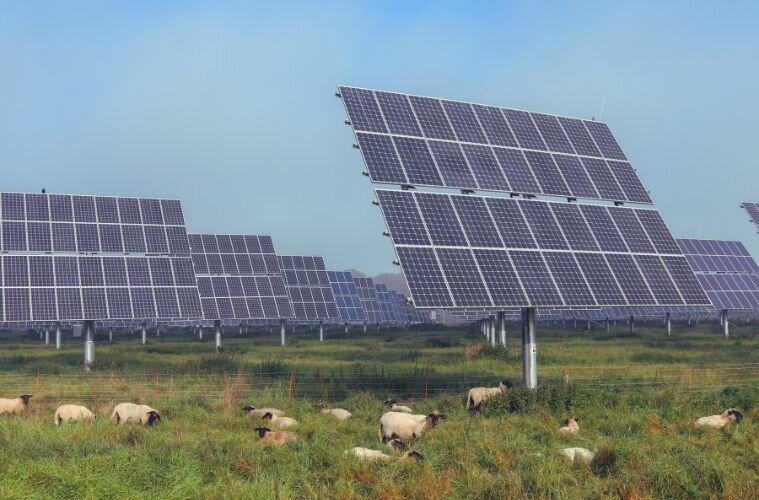
According to the ASGA, the U.S. currently has over 129,000 acres of solar sites maintained by 113,000 sheep across 30 states.

This initiative sets a precedent for scaling data centers without compromising sustainability goals by leveraging behind-the-meter energy strategies, natural gas efficiency, and carbon capture technology.
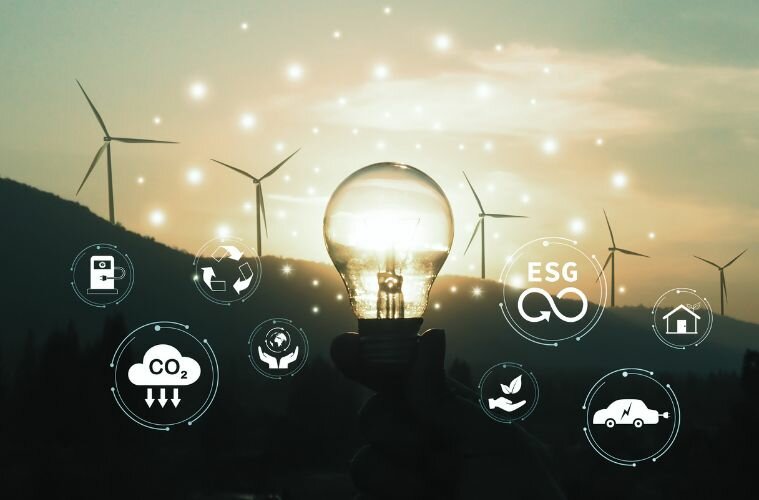
AI-driven power demand, nuclear revival, hydrogen breakthroughs, and energy shifts—February 2025’s top 10 stories reveal the future of energy tech.
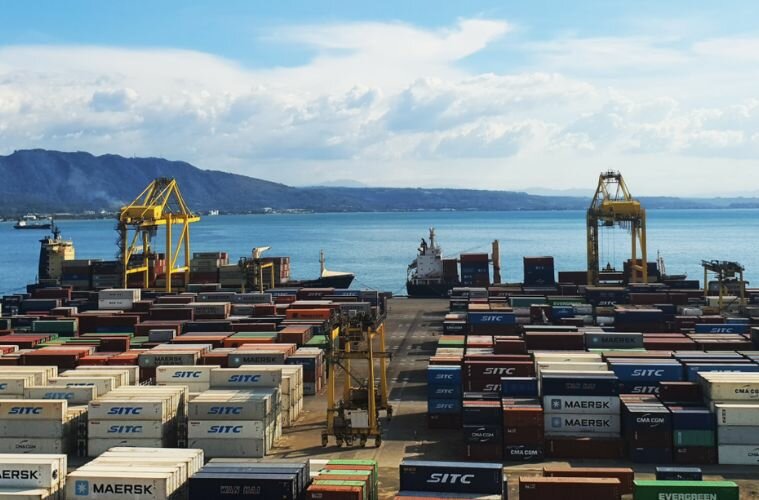
MCT now operates on solar power during the day, reducing carbon emissions while ICTSI invests $100M to expand the terminal’s capacity.
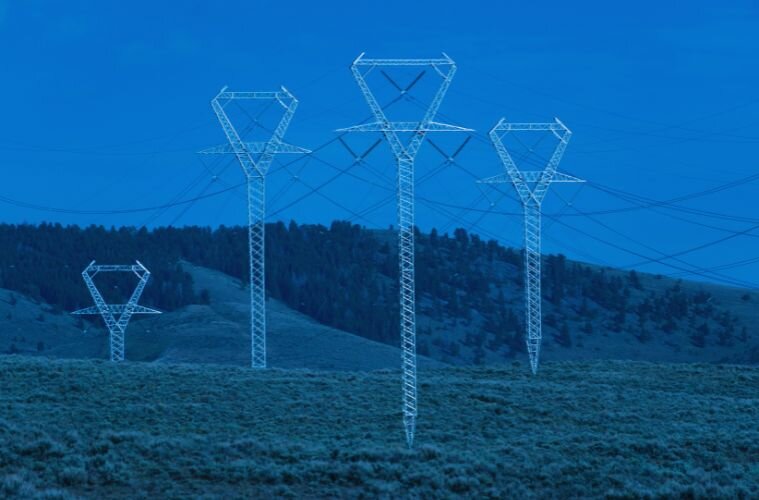
WEA calls for transparent, independent oversight of regional power markets, ensuring fair rules for all stakeholders in the evolving Western energy landscape.

Brownfields—abandoned or underutilized properties with potential environmental contamination—exist in nearly every community.
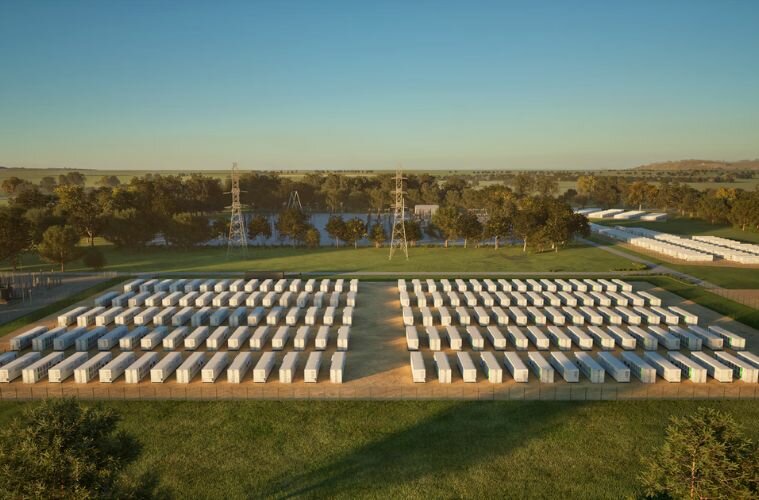
The sale of Limestone Coast North cements Pacific Green’s leadership in Australia’s fast-growing battery energy storage sector.

UK-based OMSI will install an 11km submarine cable linking Belize’s San Pedro and Caye Caulker to the mainland, improving grid reliability.

The 2025 Texas Infrastructure Report Card highlights a critical need for investment and modernization as essential systems like drinking water, wastewater, and energy networks struggle to keep pace.
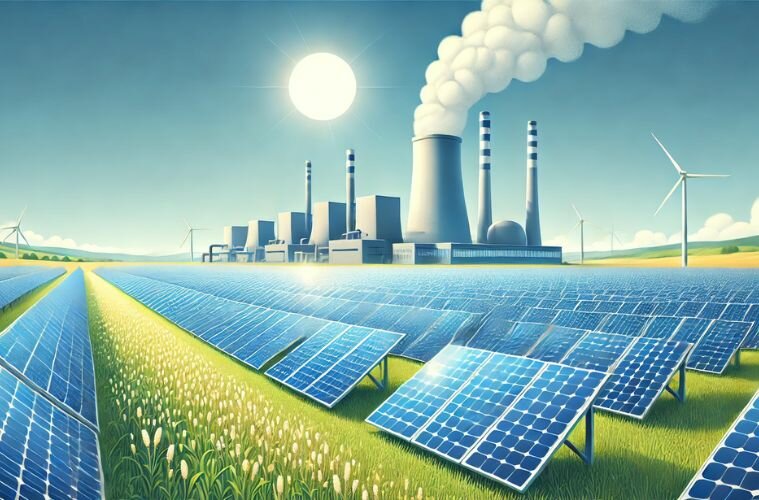
With energy demand surging, MidAmerican Energy is making a $1 billion investment in Iowa’s energy future.

With carbon capture technology emerging as a key component of U.S. energy and environmental policy, the EPA has granted West Virginia the authority to regulate Class VI wells for carbon sequestration.

Wärtsilä’s 46TS engine boosts efficiency and grid stability while supporting renewable energy integration. Its rapid response cuts emissions.

A recent report from Cerulogy warns that without proper safeguards, the expanded use of maritime biofuels could increase global greenhouse gas emissions.
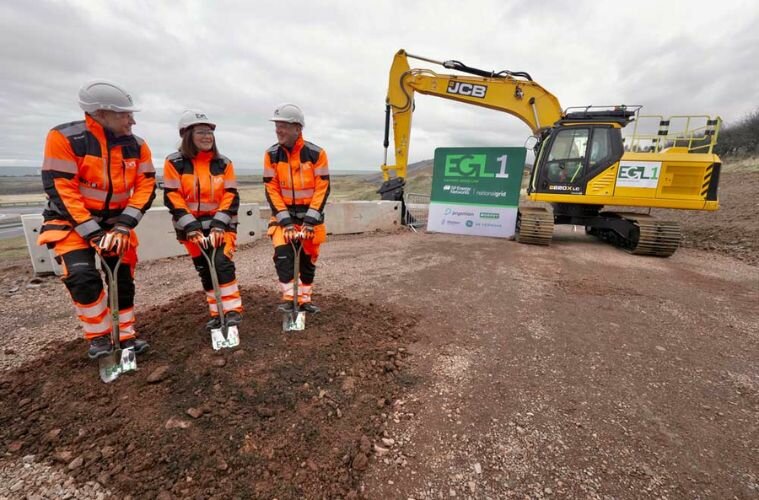
With a £2.5 billion investment and an anticipated completion in 2029, the project promises long-term economic and environmental benefits.

Japan is investing big in perovskite solar tech, aiming to cut fossil fuel reliance and scale flexible, high-efficiency solar panels for dense urban areas.
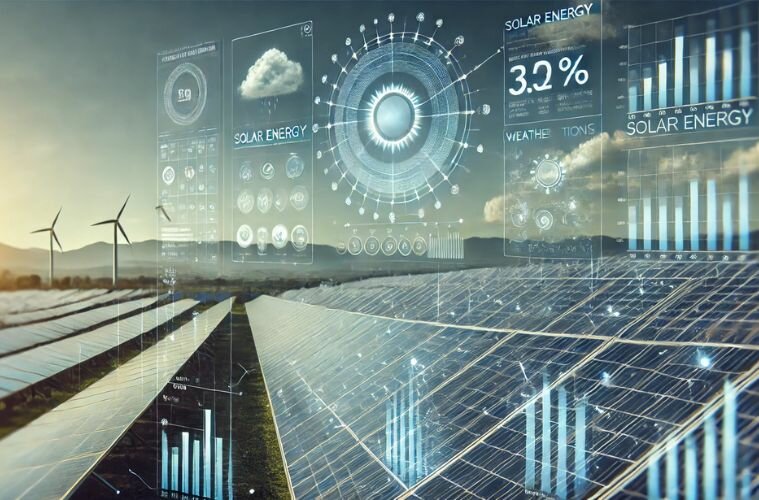
New research suggests that advanced post-processing techniques and machine learning models could revolutionize how solar power is predicted.