

Sweden opened a consultation on national PFAS rules for clothing, cosmetics and cookware starting 2028, ahead of a broader EU restriction still under review.

Spain’s first HRS system pasteurizes 220 metric tons of digestate daily. Heat recovery may cut thermal demand and support fertilizer reuse for regional growers.

EPA's draft TSCA reviews find both industrial solvents pose unreasonable risk to workers, with facility data due before an October 9 comment deadline.

Lithium prices are recovering, but a steep drop in mining and exploration investment could leave future battery supply short of projects financed.

EU regulators approved $334 million (€290 million) for Dutch sustainable aviation fuel plants, backing technologies beyond conventional biofuels.

EPA is asking manufacturers and downstream users for workplace, exposure, and process data that could shape its final TSCA risk evaluation decision.

PFAS restrictions are pushing manufacturers to rethink coatings. Femtosecond lasers could offer a chemical-free way to engineer water-repellent surfaces.

A peer-reviewed study finds nanoplastics in McMurdo Dry Valleys soil at over half of sites sampled, the first such evidence in Antarctica's soils.

A final CSB investigation found BioLab's Conyers, Georgia warehouse held nearly double its permitted chemical load before a 2024 fire forced evacuations.

Months after strikes disrupted Qatar's helium output, Asian chipmakers still face tight supplies, higher costs and dependence on alternative sources.

A new peer-reviewed study projects China's aviation NOx and PM emissions could rise 59-149% by 2035, with new airports and mid-sized cities driving growth.

Air Liquide announced three U.S. industrial gas investments in July 2026 totaling over $530 million, tied to semiconductor and chemical manufacturing growth.

The Ninth Circuit sent EPA's 2024 decaBDE rule back for rework, ruling the agency didn't justify skipping recycling, disposal, and wastewater limits.

California regulators opened public comment on EVOCA® after a positive health review. A final decision could follow later in 2026 for the Biotalys biofungicide.
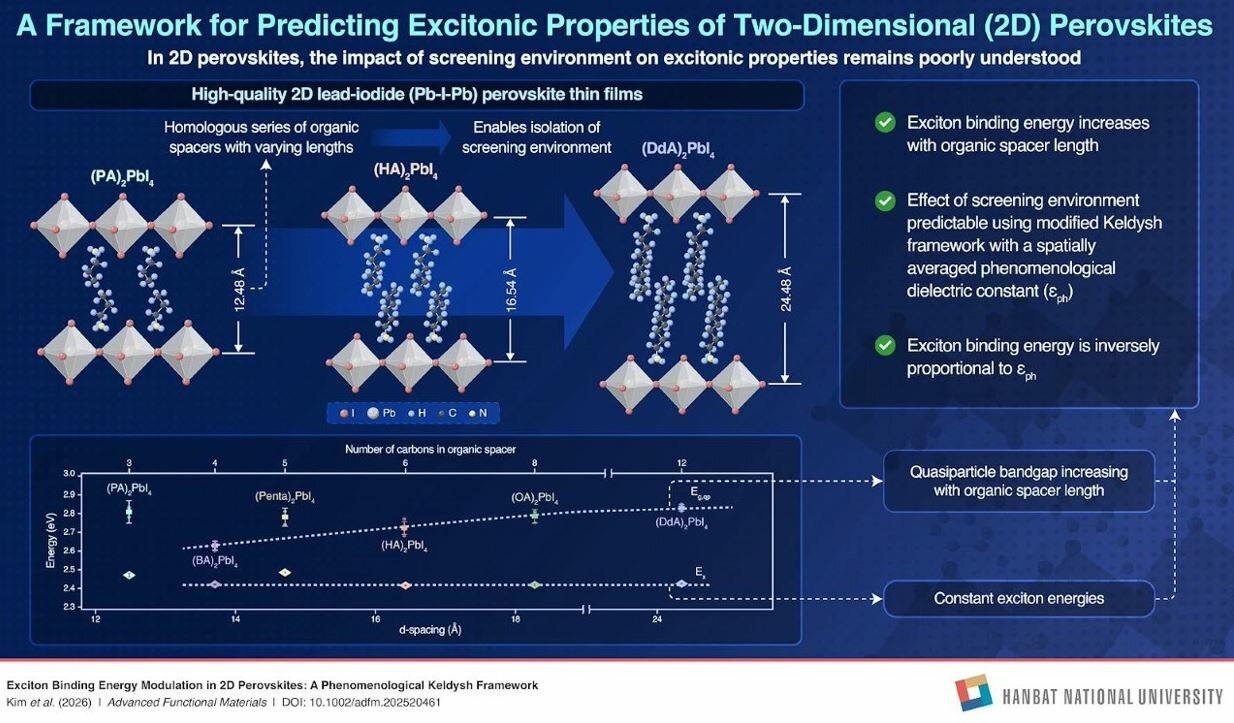
A new model shows how tiny spacer layers change 2D perovskites. It could help engineers design better LEDs, solar cells and other light-based devices.

Biochar is getting a real-world road test. Verde and Ergon are moving their cold paving partnership toward field projects, carbon credits and commercial use.
Chain length may shape how PFAS move through water and respond to treatment. For utilities, that means monitoring and removal strategies need sharper focus.
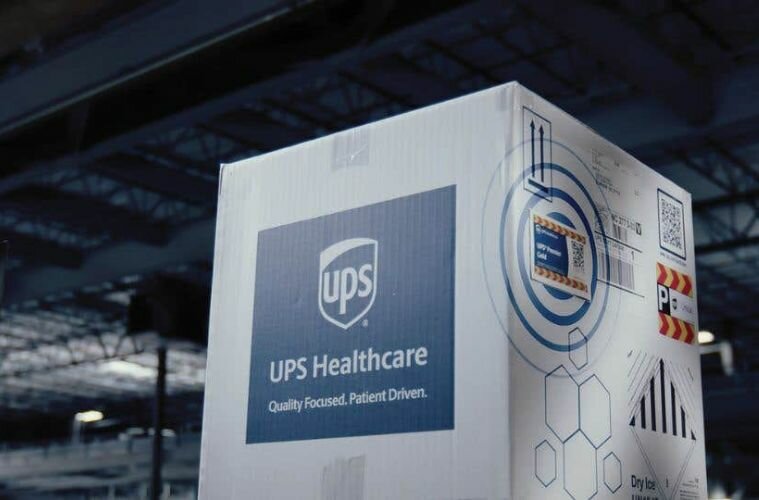
UPS is investing $48 million in temperature-controlled freight facilities while expanding AI-powered logistics to support growing pharmaceutical demand.
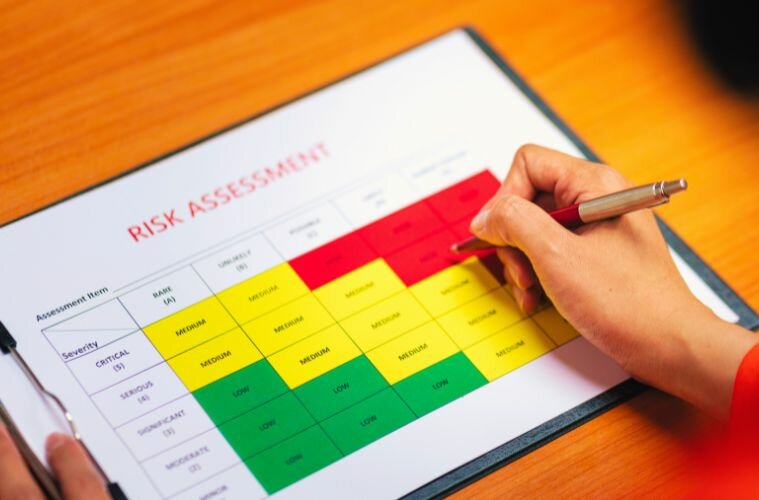
Heat enforcement, grid constraints, supply chain exposure, and AI infrastructure demands altered corporate risk profiles in Q2. Many companies are still operating from outdated assumptions.

The EEA's 2025 bathing water report shows 85% of EU sites rated excellent, but river quality lags and new EU rules expand monitoring for PFAS and microplastics.