
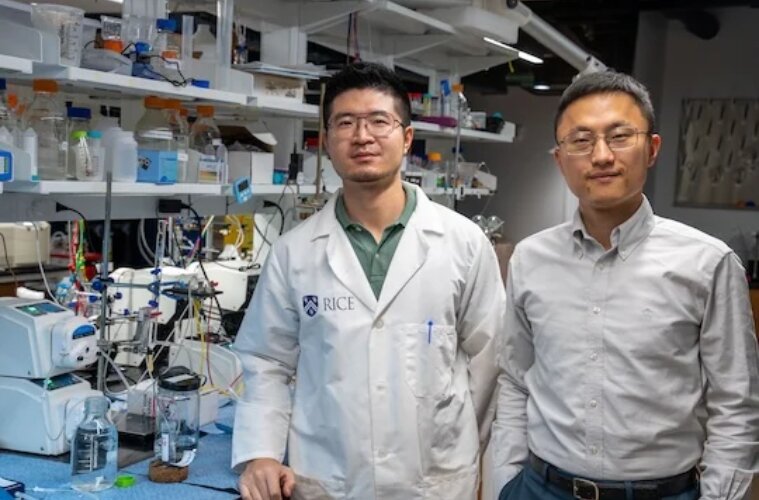
Electrochemical carbon capture technology at Rice University promises an efficient, scalable approach to meet industrial net-zero goals.

UVA researchers advance sustainable construction with graphene-enhanced concrete, reducing emissions by 31% while improving material strength.

UC Berkeley's COF-999 tech offers a breakthrough in cost-effective carbon capture, promising efficient CO2 removal and reshaping negative emissions goals.
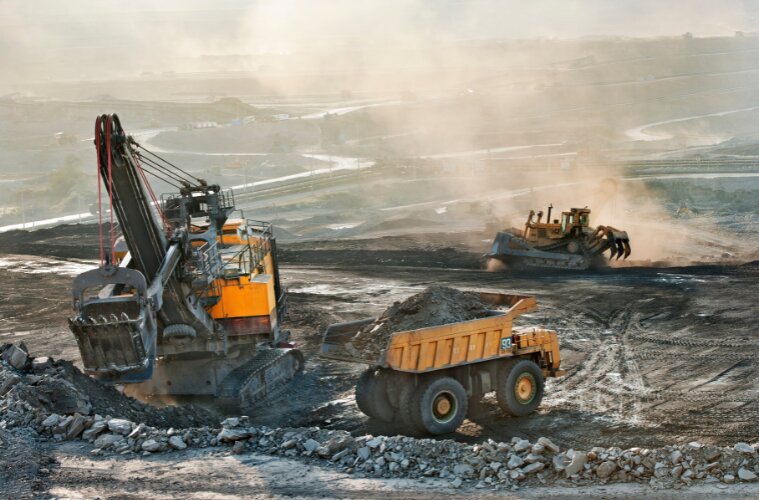
Despite growing global pressure for decarbonization, fossil fuels remain the cornerstone of Southeast Asia’s energy system.

Every day, 1,000 children die from unsafe water, and 3 billion people are threatened by dwindling water supplies. Immediate action is needed to treat water as a global common good before the consequences deepen across economies and ecosystems.

NextGen CDR has partnered with Alt Carbon to scale innovative carbon removal technologies in Asia, focusing on enhanced rock weathering and soil carbon storage.
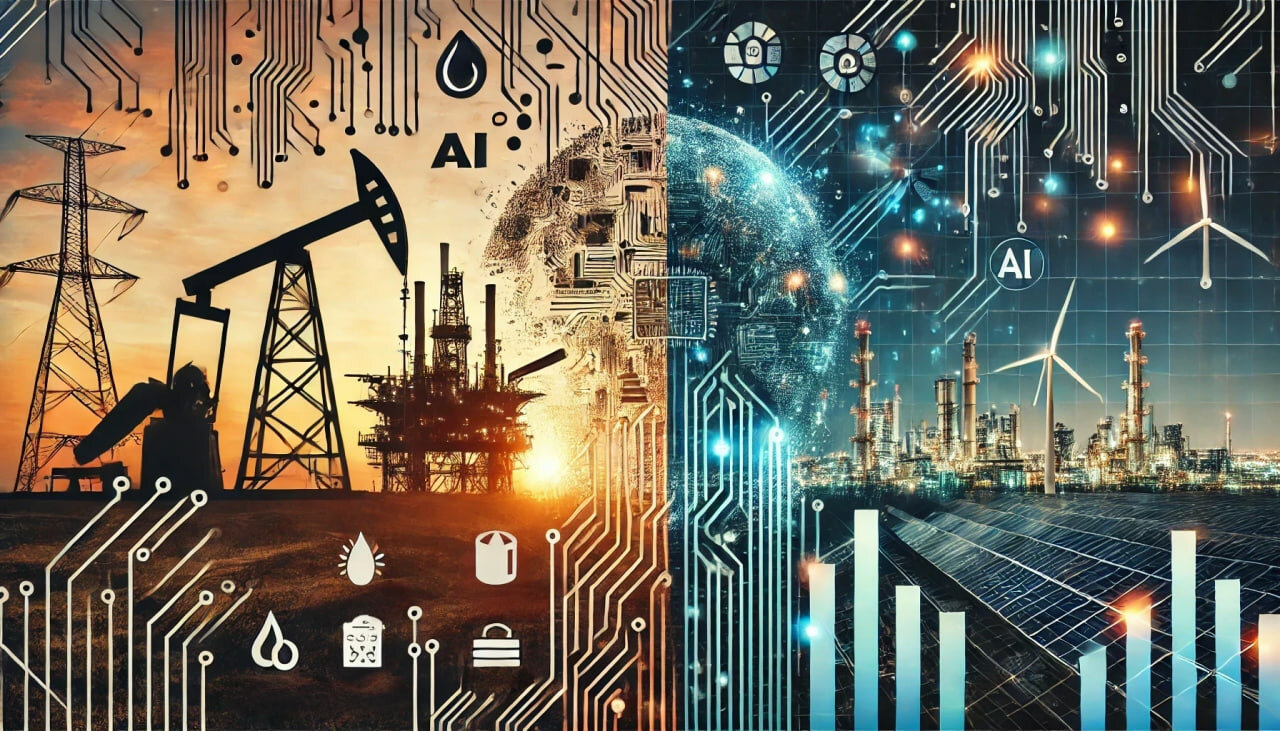
The global energy sector is showing renewed vigor in its pursuit of clean energy transition, according to a Womble Bond Dickinson report. While improved access to capital and government support are driving new projects and M&A optimism, the industry faces complex challenges in balancing innovation, efficiency, and sustainability.

Since 2005, NOx emissions efficiency (measured in tons per 10,000 TEUs) improved by 77%.

New research reveals that ambitious climate policies could simultaneously tackle global warming and economic inequality. A study published in Nature Climate Change demonstrates how redistributing carbon revenues can offset short-term costs and reduce income disparities, offering businesses a roadmap for sustainable and equitable growth.

The Field Guide to Decarbonization Planning offers a roadmap for organizations to reduce their facilities’ carbon footprint. The built environment is responsible for 40% of energy-related …

Cork and natural rubber hold immense potential as eco-friendly materials for industries focused on reducing environmental impact.

As energy costs rise and sustainability pressures mount, businesses are turning to innovative financing solutions that eliminate the need for upfront capital, making large-scale energy projects more accessible and achievable.
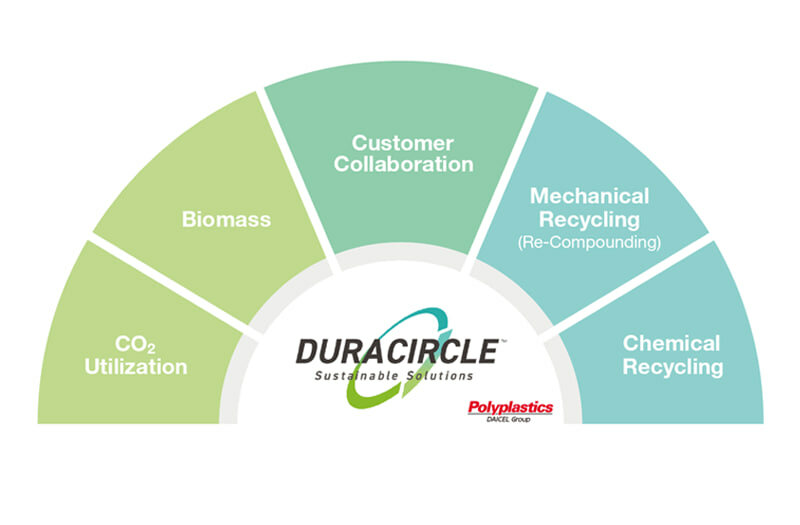
Polyplastics Co., Ltd is set to introduce a new sustainable material in 2025, designed to reduce CO2 emissions in electronic components and align with the company’s push towards greener manufacturing through its DURACIRCLE initiative.

The company is committed to achieving net-zero emissions through advanced GHG emissions monitoring, sustainable investment products, and energy efficiency upgrades while fostering a culture of sustainability among its employees.
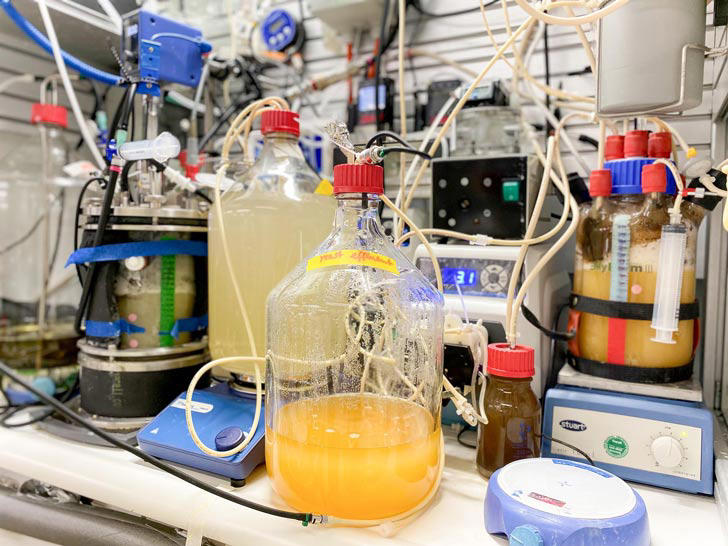
In a world grappling with rising carbon emissions and malnutrition, scientists have unveiled a groundbreaking method to produce vitamin B9, or folate, using renewable energy and CO2. This cutting-edge approach provides a sustainable source of essential nutrients and reduces traditional food production's environmental footprint.

E+E Leader's eBook explores carbon accounting's role in compliance, sustainability, and stakeholder expectations, and when to adopt advanced tools for emissions tracking.

This whitepaper explores the barriers of 'analysis paralysis' and offers practical approaches for developing actionable strategies to achieve science-based decarbonization goals.

Organizations face growing regulatory and stakeholder demands to develop strong energy and sustainability strategies. How can your business fast-track its decarbonization efforts?