
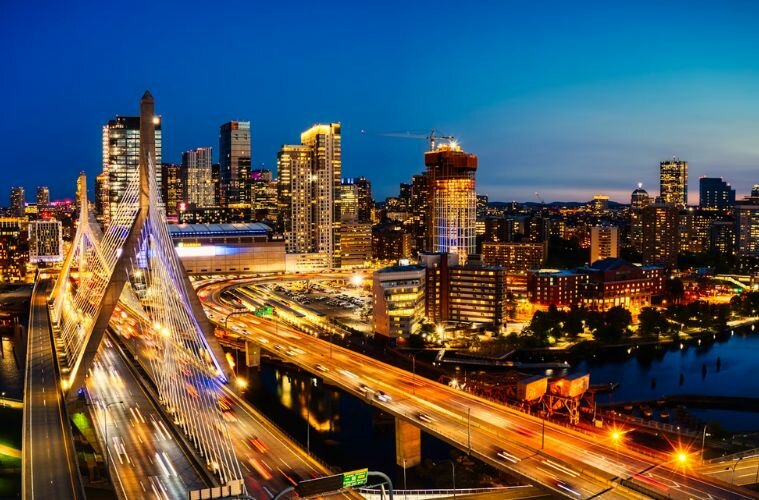
Massachusetts is set to see major infrastructure improvements as part of an $8 billion transportation plan that will fund critical projects and strengthen the state’s workforce.

With carbon capture technology emerging as a key component of U.S. energy and environmental policy, the EPA has granted West Virginia the authority to regulate Class VI wells for carbon sequestration.

The bill seeks to provide funding for statewide transportation improvements, but its impact on EV affordability and expansion remains uncertain.
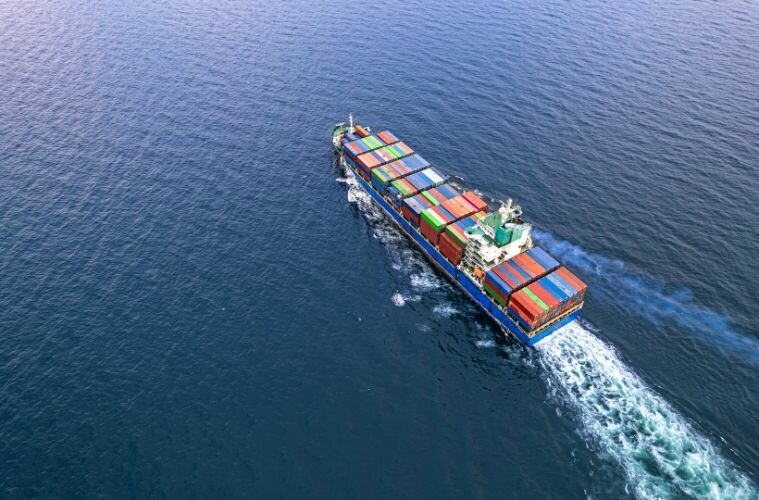
A recent report from Cerulogy warns that without proper safeguards, the expanded use of maritime biofuels could increase global greenhouse gas emissions.
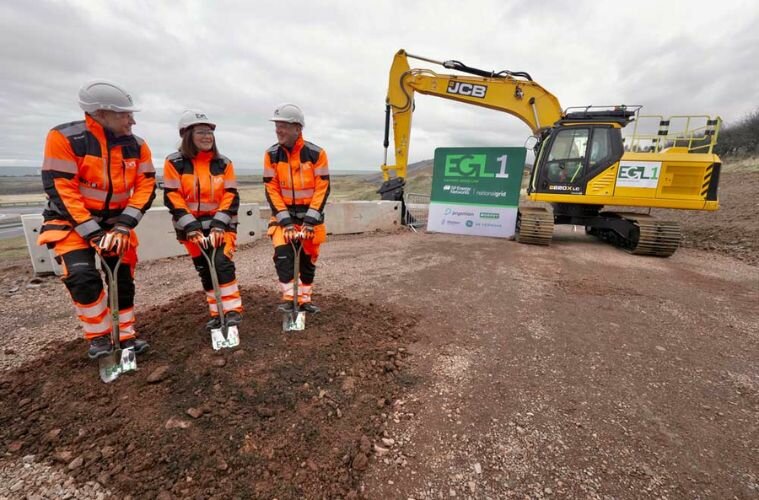
With a £2.5 billion investment and an anticipated completion in 2029, the project promises long-term economic and environmental benefits.
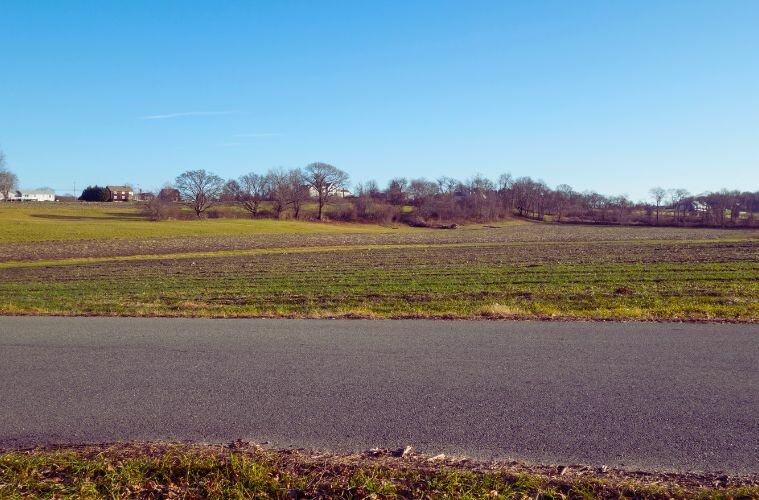
For years, biosolids have been praised as a sustainable solution for farming. But new research suggests they may be doing more harm than good.

Columbia Climate School launches the first U.S. climate finance master’s, blending climate science with financial expertise for global impact.
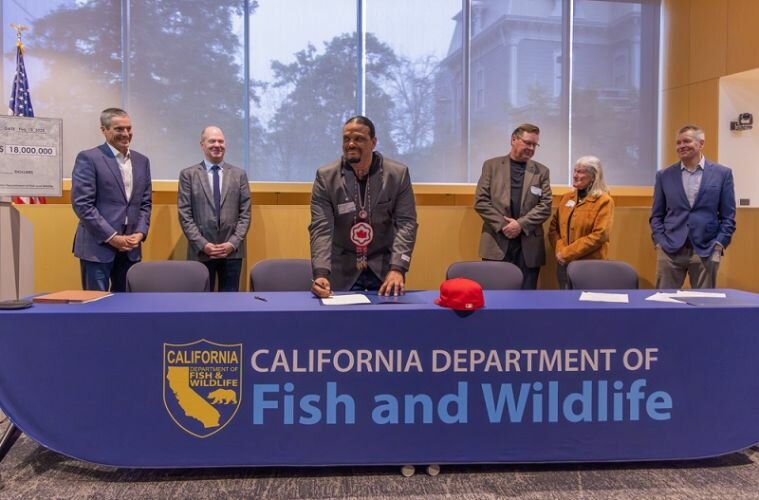
California’s new water agreement will remove dams on the Eel River, restoring fish habitats while ensuring supply for over 600,000 residents.
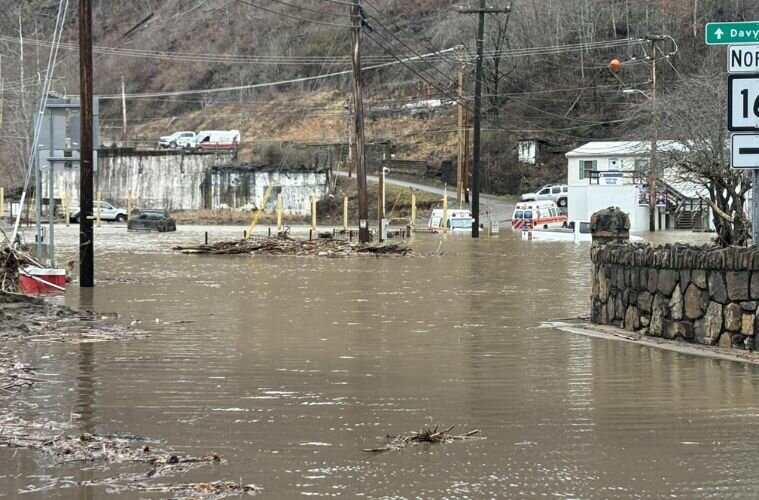
Floodwaters surge across West Virginia, forcing evacuations and emergency declarations in multiple counties.

Japan is investing big in perovskite solar tech, aiming to cut fossil fuel reliance and scale flexible, high-efficiency solar panels for dense urban areas.

The Feb 10, 2025, Senate session focused on the Future Made in Australia Bill, sparking debate over tax breaks, corporate favoritism, job security, and transparency.
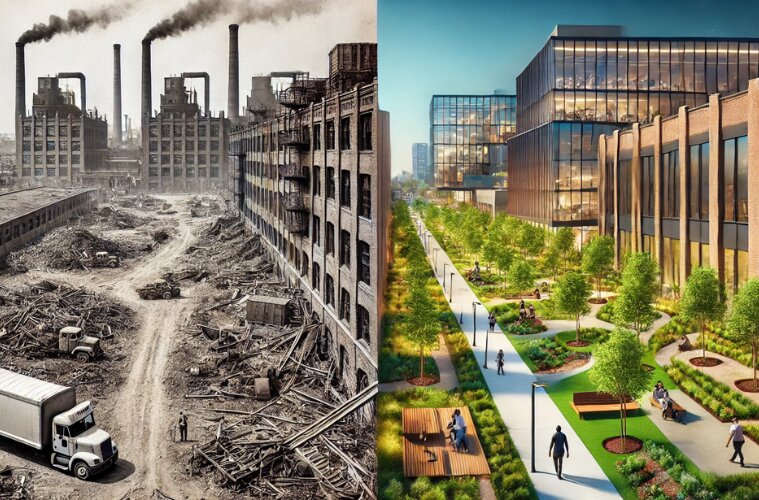
In 2025, the United States is intensifying its efforts to rehabilitate brownfield sites—properties hindered by the presence or potential presence of hazardous substances, pollutants, or …

With Logistics Policy-2025, Madhya Pradesh targets lower costs, stronger supply chains, and enhanced export capacity to attract investors.
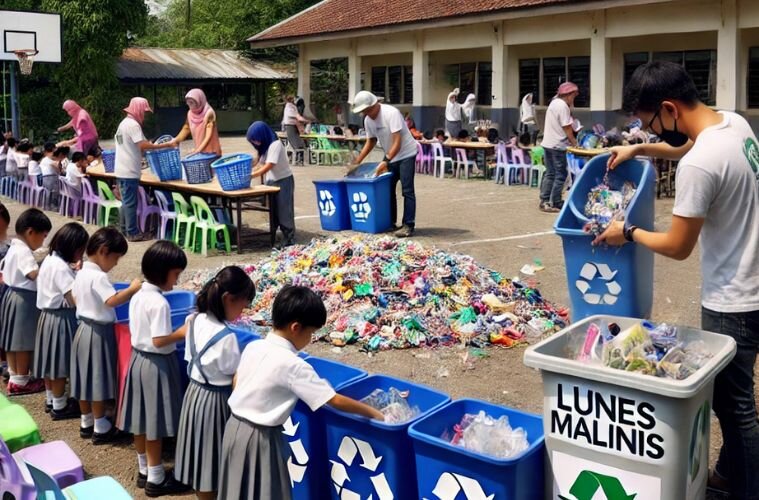
Students in Pampanga collect plastic waste weekly for recycling into school chairs, merging sustainability with education in a model for future programs.
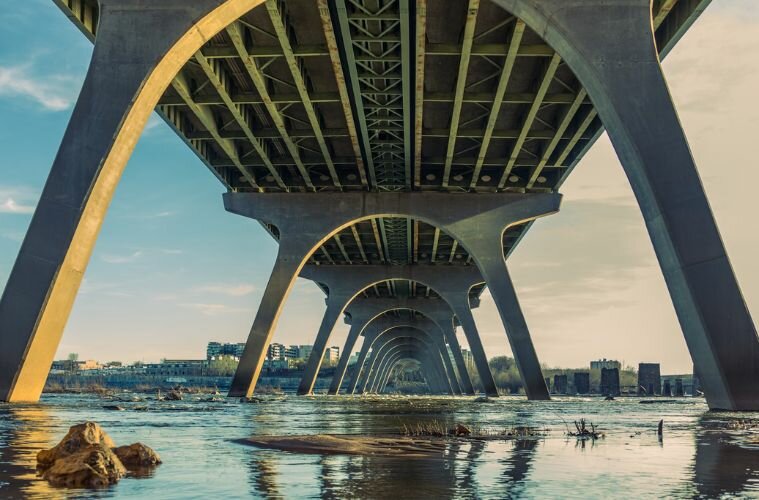
Hanover County’s water outage revealed urgent infrastructure gaps. Strengthening supply redundancy and distribution capacity is now critical.
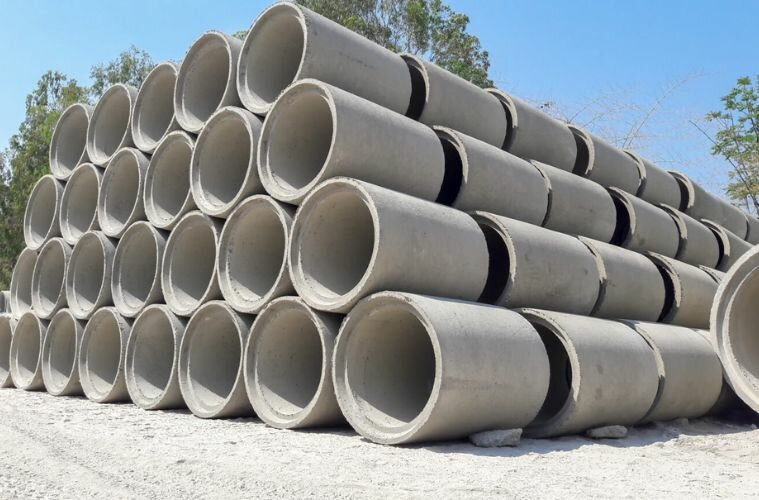
Chryso’s Canadian expansion boosts sustainable construction with eco-friendly materials and localized expertise.

The Development of AI-Driven Sustainable Tourism in Saudi Arabia
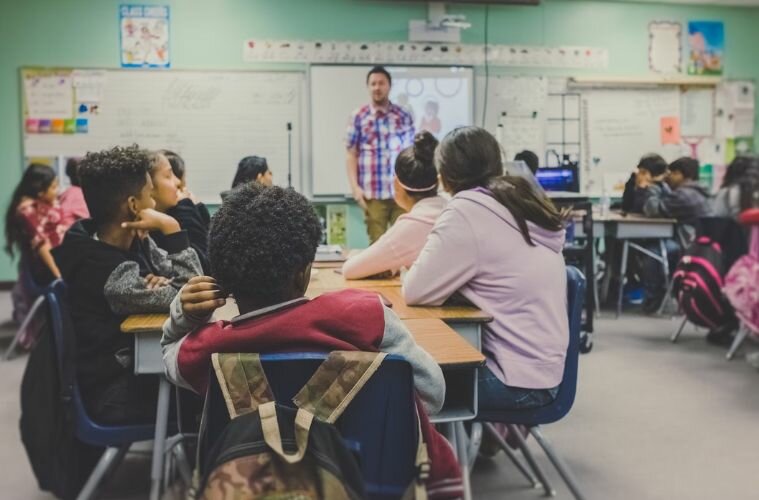
Wake County schools face ongoing issues beyond HVAC, including broken toilets, leaking roofs, and suspected mold, with funding and staff shortages slowing repairs.
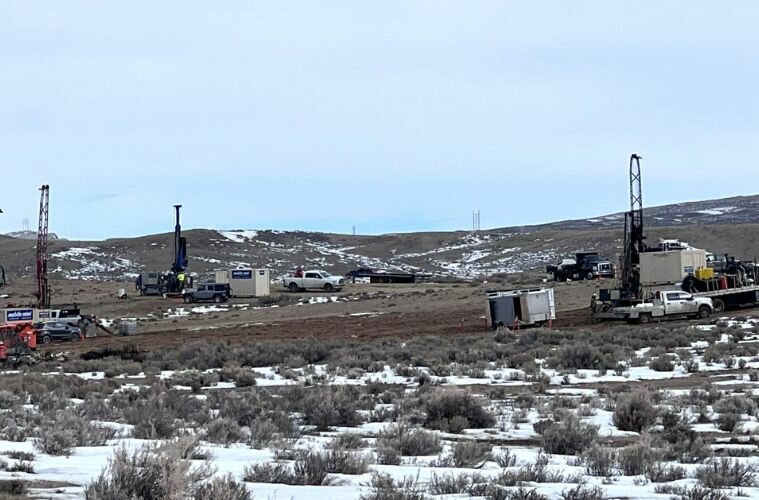
Wyoming’s SF0186 sets new regulations for storing spent nuclear fuel, supporting advanced reactor development and aligning with U.S. clean energy goals.
States, consumers, and corporations clash in 2025’s growing wave of PFAS lawsuits over contamination and public health hazards.