
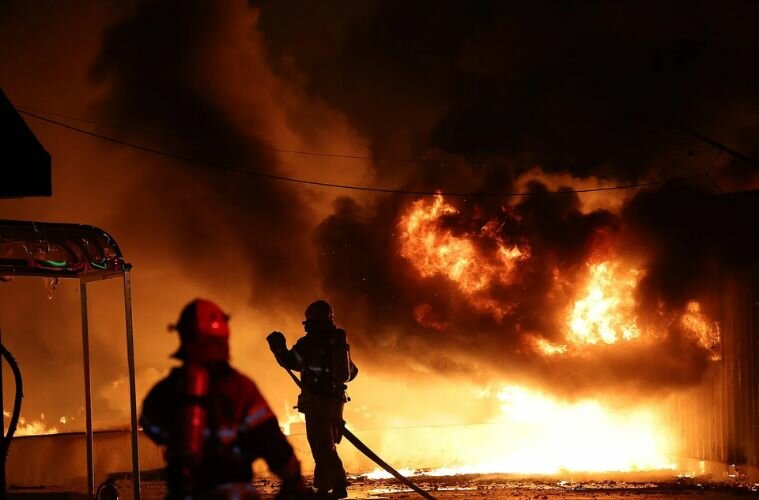
Despite growing consensus on the need for fiscal intervention, political divisions have stalled progress.
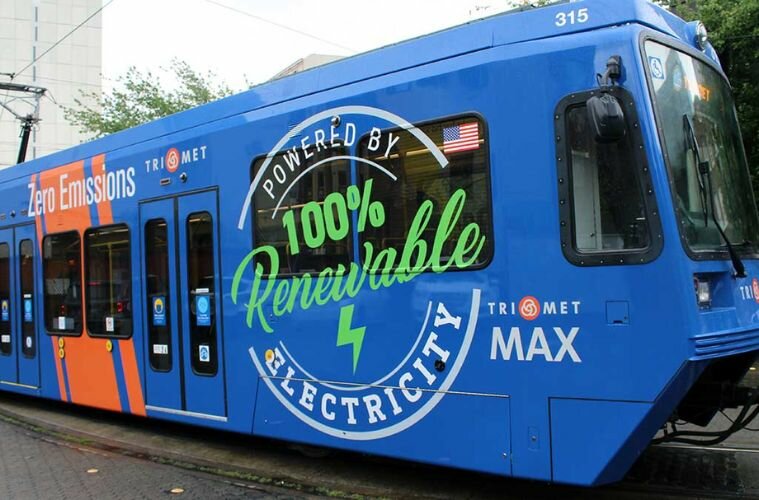
The Smart SW 185th Avenue ITS and Better Bus Project in Hillsboro, Oregon, proposes AI-integrated signals to ease traffic congestion, improve transit service, and enhance pedestrian safety near a busy MAX light rail crossing.

A carbon dioxide pipeline company has asked courts to pause or dismiss its pending legal fights against landowners and a state regulator in South Dakota.
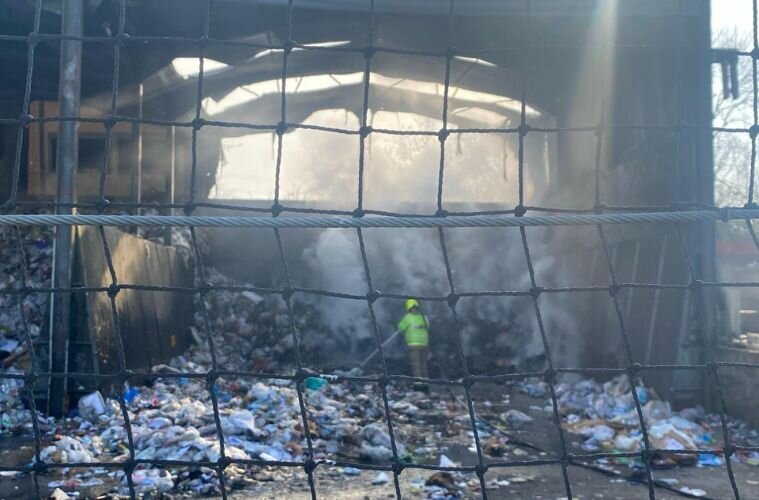
The recent fire is a clear and troubling example of the real-world dangers associated with the improper disposal of lithium-ion batteries.

House Bill 15 promotes power generation, affordability, and regulatory transparency—but faces pushback from utilities and environmental advocates.
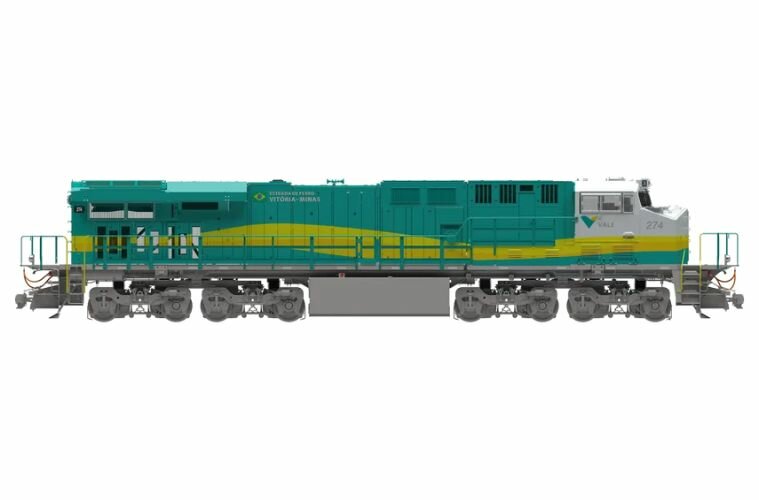
According to the International Energy Agency, shifting freight from road to rail and investing in cleaner rail technology could reduce global transport CO₂ emissions by nearly 10% by 2050.

Berlin-based Theion has secured $16M to develop crystal sulfur batteries for EV, aviation, and storage markets.

This initiative enables companies to apply for presidential exemptions under the Clean Air Act by submitting requests via a designated email system.
(BPT) - To keep the economy moving, people need to keep moving. Public transit helps economies grow by providing access to businesses where people purchase goods, boosting home values and creating …
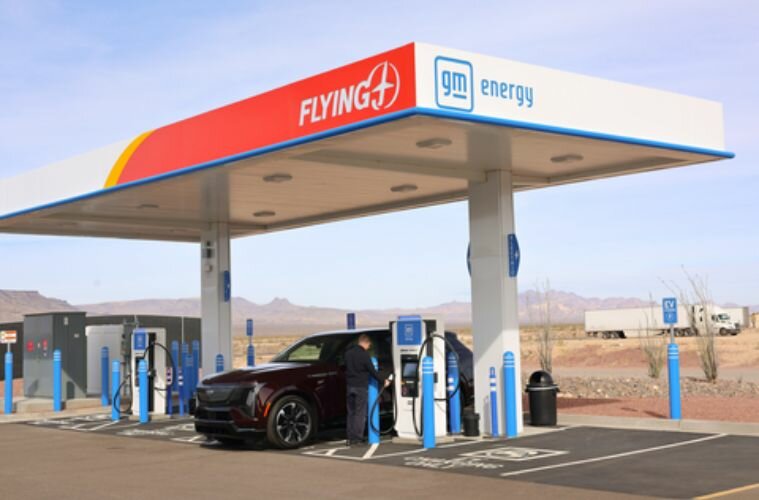
The collaboration aims to ease range anxiety and accelerate decarbonization in transportation by delivering convenient, high-speed charging access across underserved and high-demand corridors.
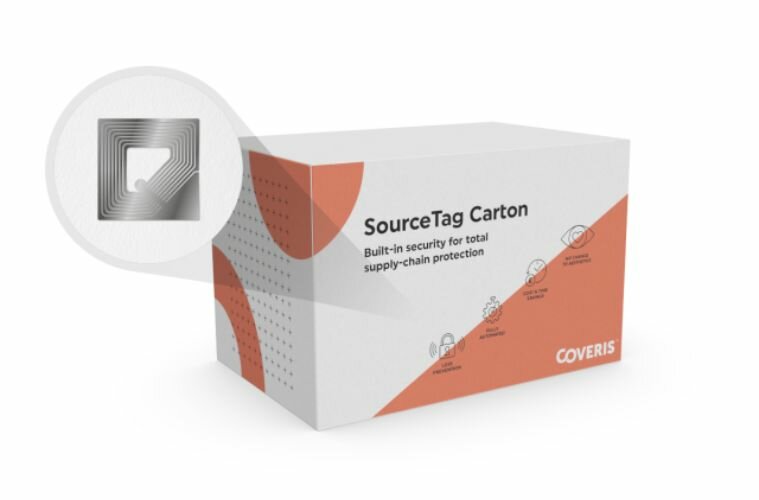
By embedding security into the packaging itself, retailers can reduce shrinkage, streamline in-store workflows, and eliminate the costs and inconsistencies of secondary tagging.
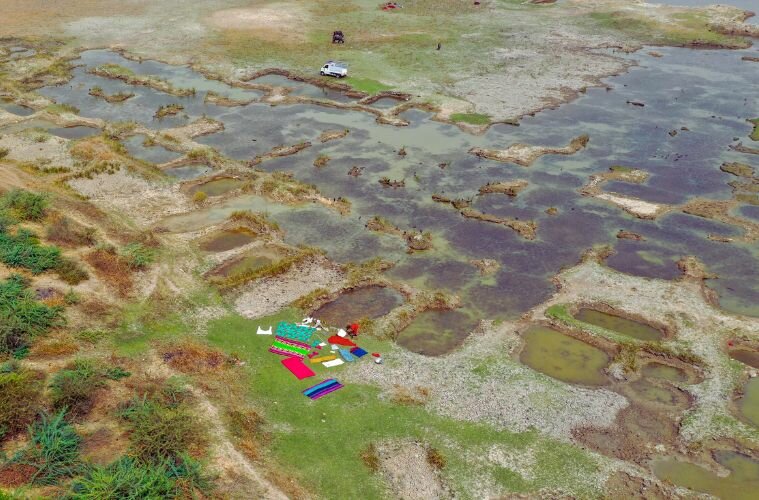
Explore how WESP offers a scalable, data-driven model for global water ecosystem restoration, boosting resilience, biodiversity, and disaster risk reduction.

Hultberg acknowledged training and safety efforts by the department but said progress in key areas has been slow and uneven across the agency and that more needs to be done.

Senate Bill 732 introduces one of the most aggressive regulatory measures in the nation aimed at PFOS and PFOA concentrations in biosolids.
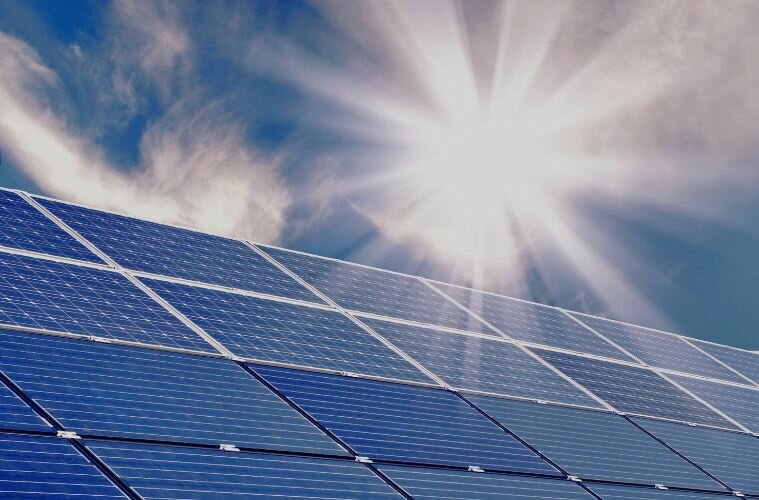
As the demand for clean energy surges nationwide, Ohio finds itself at a crossroads. Despite significant potential for solar energy development, a series of restrictive state laws and local …
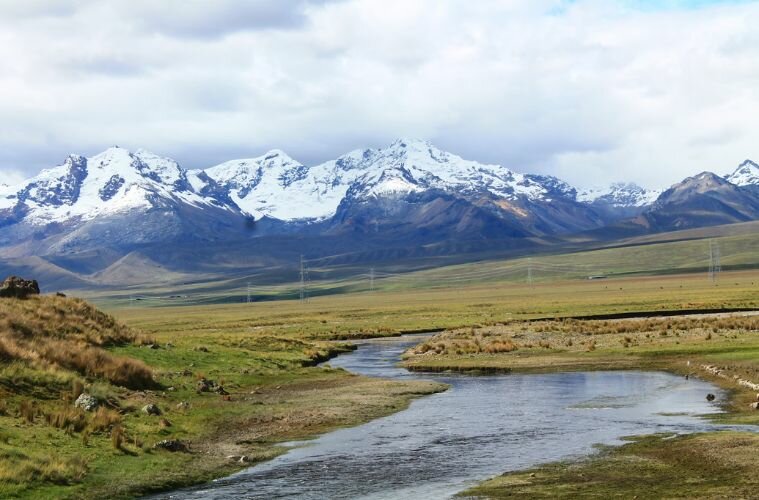
Glaciers across the Andes are thinning 35% faster than the global average, threatening the freshwater lifeline for more than 90 million people.
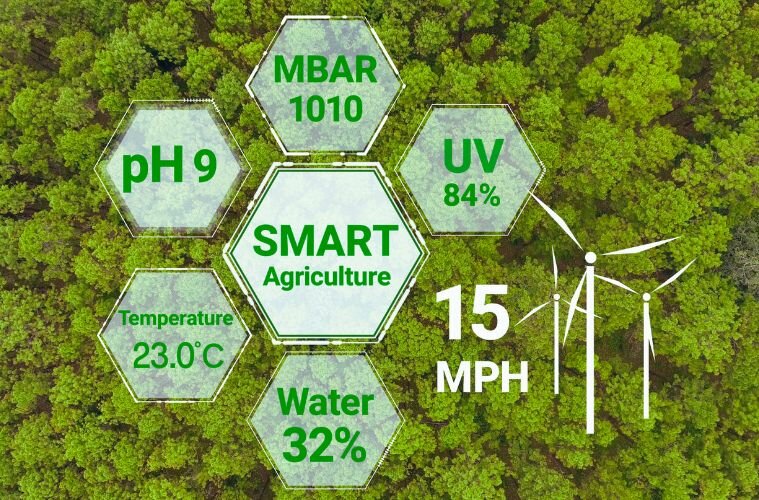
Learn how Bayesian probabilistic models improve agricultural planning, resource efficiency, and food security through real-time data and historical insights.
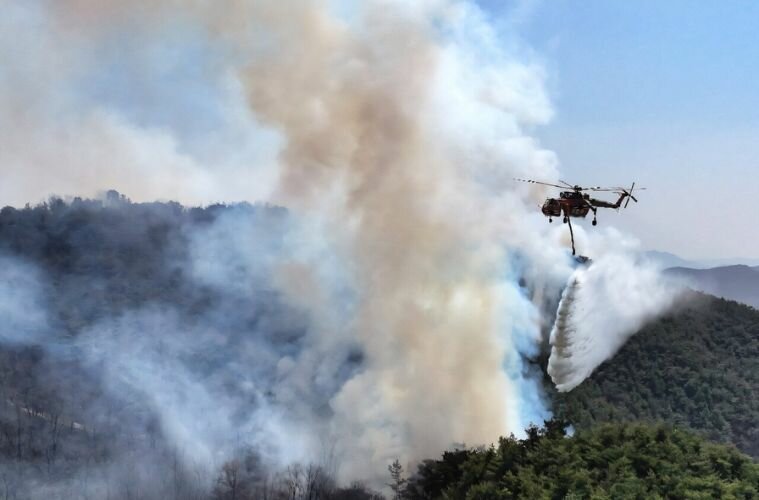
Wildfires in South Korea, fueled by dry conditions and strong winds, threaten energy infrastructure, disrupt businesses, and underscore rising climate risks.
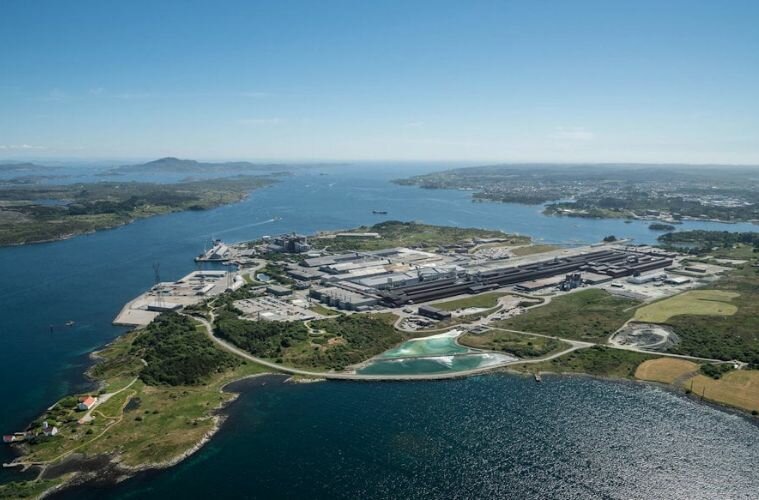
Hydro commits $154M to boost low-carbon aluminium output in Norway, supporting Europe’s critical power grid and renewable energy infrastructure.
A new energy generation project, like a solar or wind farm, that needs a federal permit takes an average of 4.5 years to secure it. Some projects’ permit wait time is more than a decade.