

To meet its ambitious energy and climate goals, Southeast Asia requires a sharp increase in clean energy investment.

With its G20 presidency, Brazil has unveiled an ambitious roadmap aimed at achieving universal clean cooking access by 2030.

The BIPOSC project empowers Sumatra's palm oil farmers with regenerative agriculture, enhancing sustainability, reducing chemicals, and boosting profitability.

Oklahoma Attorney General Gentner Drummond has launched a vigorous legal offensive, taking the state’s 2022 anti-ESG law to the Oklahoma Supreme Court.

Deep Atomic's new MK60 reactor aims to solve data centers’ growing energy crisis by delivering 60 MW of reliable, zero-carbon power.
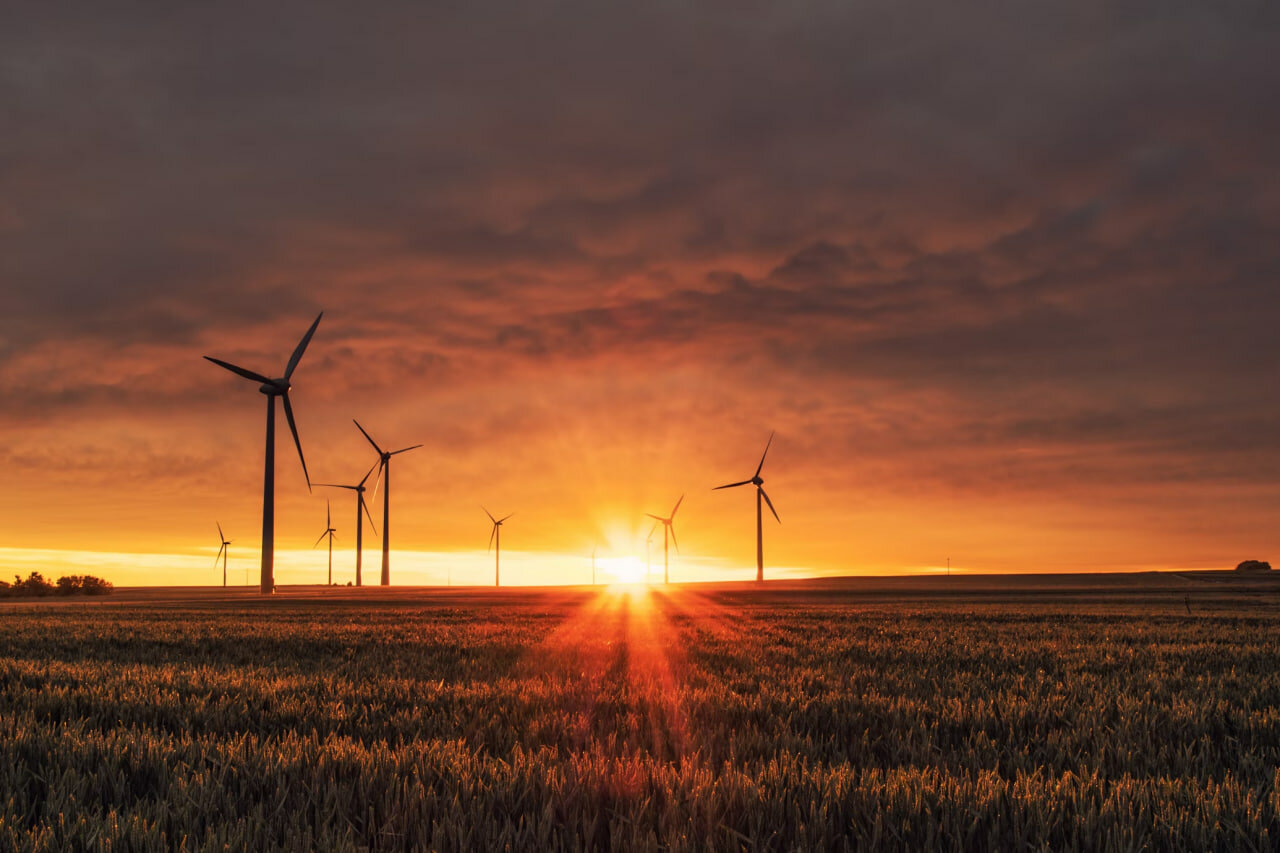
U.S. renewable energy production has tripled in a decade, with battery storage growth boosting grid reliability and driving a transformative clean energy shift.

From massive waste diversion to renewable energy offsets, MLB is setting a new standard in environmental responsibility.
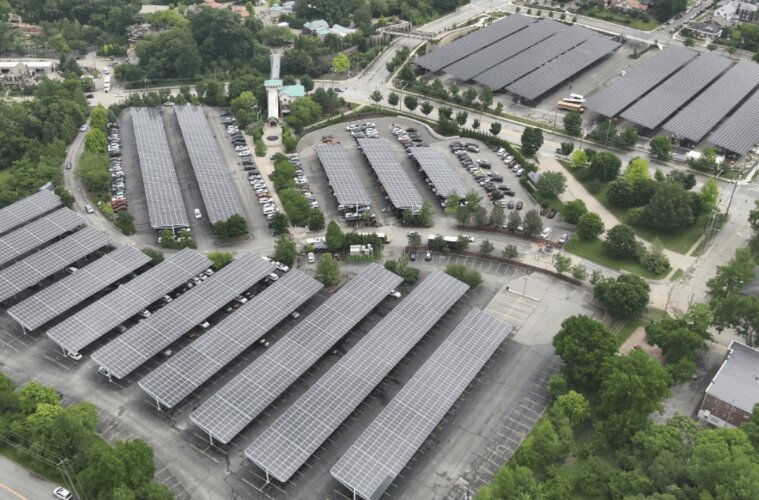
The Cincinnati Zoo and Botanical Garden, in partnership with Terrasmart and Melink Solar, has unveiled a 2.8-MW solar carport.

Neste and Braskem partner to create renewable polymers and chemicals, advancing South America's circular economy and Braskem's Wenew portfolio by late 2024

Halloween 2024 spending is projected to hit $11.6B this year, but with 35 million plastic-heavy costumes trashed each year, the holiday has a growing waste problem.
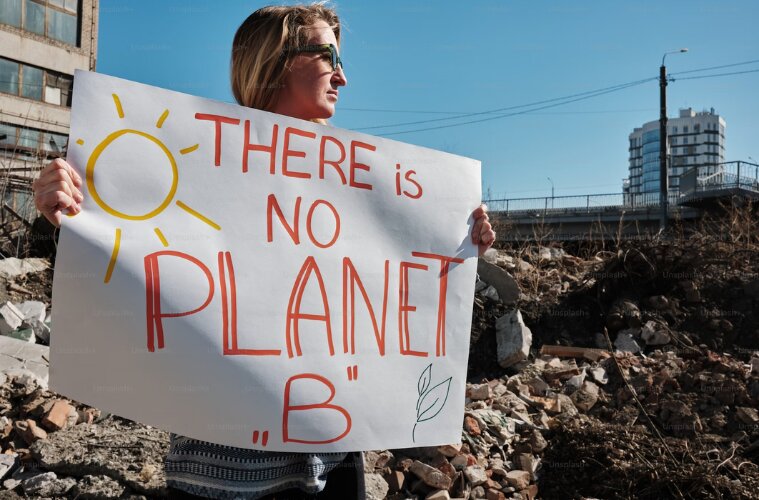
As greenhouse gas emissions hit record levels in 2023, the United Nations Environment Programme’s (UNEP) latest report, “No More Hot Air … Please!”, warns that without bold, immediate action, meeting the Paris Agreement targets of limiting warming to 1.5°C or 2°C could become impossible.

UC Berkeley's COF-999 tech offers a breakthrough in cost-effective carbon capture, promising efficient CO2 removal and reshaping negative emissions goals.
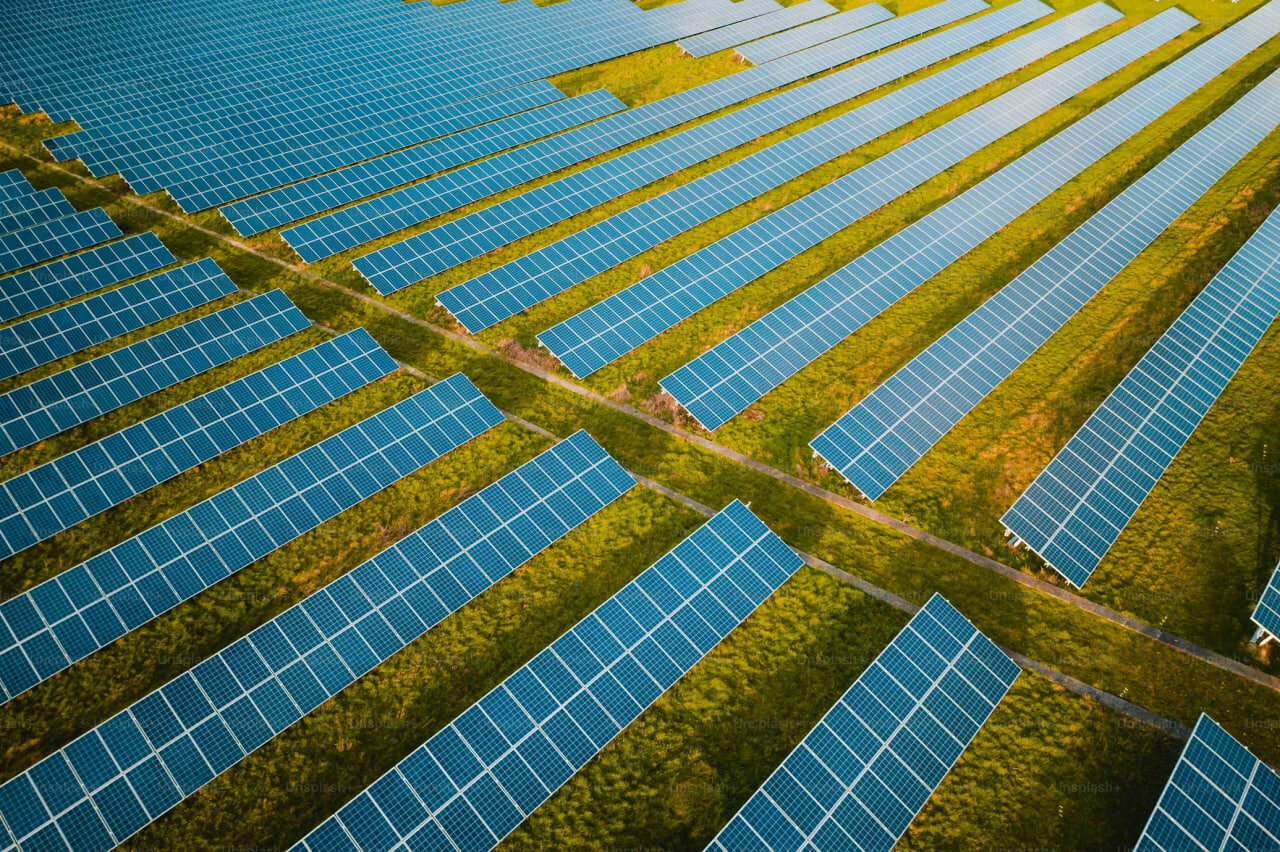
West Virginia’s renewable push grows with a 27-acre solar site by Mon Power and Potomac Edison, generating 5.5 MW and revitalizing idle land for clean energy gains.

GME Recycling, a leader in recycling technology, introduces the Ventiduedenti shredder, setting a new industry standard with its advanced engineering and reduced environmental …

Despite growing global pressure for decarbonization, fossil fuels remain the cornerstone of Southeast Asia’s energy system.

Finland’s Ministry of Environment has introduced a framework for voluntary biodiversity markets, allowing companies to purchase nature credits that contribute to vital restoration efforts.

AI-driven technology can help companies slash CO2 emissions, optimize energy use, and drive decarbonization to meet sustainability and net-zero goals.
In its 2024 Social Impact and Sustainability Report, The ELC reveals significant strides in environmental sustainability, social inclusion, and corporate ethics.

As digital technology becomes essential to climate action and sustainable energy, robust cybersecurity is vital to protect these innovations from rising cyber threats. By securing digital systems within climate-tech, we can build a resilient foundation for a sustainable future.

At the COP16 Biodiversity Conference, SeaTrees launched the world’s first marine biodiversity credits, known as Biodiversity Blocks. This innovative approach aims to close the funding gap for marine ecosystems by restoring biodiversity, protecting coastlines, and leveraging blockchain for transparency.