
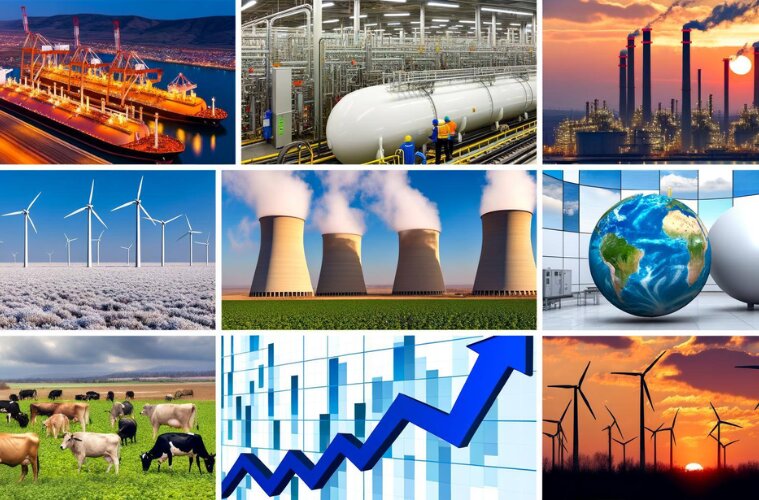
From Europe’s wind energy boom to the U.S.’s largest energy IPO in years, January 2025 is setting the tone for an impactful year in the energy industry.

NC Forest Service warns of heightened fire risks as dry air, fine fuels, and drought conditions persist.
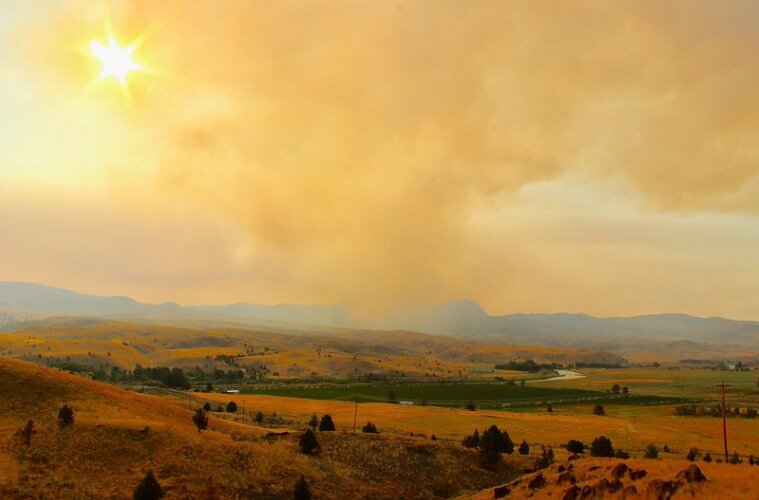
Global warming is projected to reduce snowfall in Oregon by 50% by 2100, a shift that could severely impact water resources, agriculture, and ecosystems reliant on snowmelt.

From political shifts to technology adoption, resilience emerges as a critical factor for navigating global uncertainty.
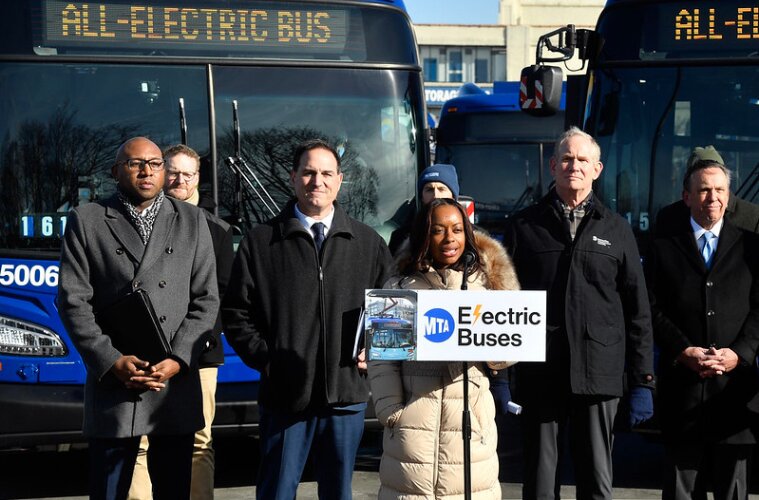
NYC’s congestion pricing begins as MTA adds 265 electric buses, slashing emissions, improving air quality, and modernizing transit infrastructure.

A groundbreaking study reveals public-private partnerships in Africa cut deforestation by 55%, protecting vital biodiversity and ecosystems.

Lucid and Panasonic's partnership brings advanced EV batteries to market, delivering 450 miles of range and 828 horsepower in the Lucid Gravity SUV.

West Philadelphia schools launch a climate science program featuring weather stations, blending STEM learning with creative expression.

As the U.S. strengthens its position in the global food trade, innovative smart packaging solutions are emerging as critical tools for ensuring safety, freshness, and sustainability.

New federal funding supports 49 projects to advance zero-emission transportation, deploying 11,500 EV charging ports and alternative fueling sites.
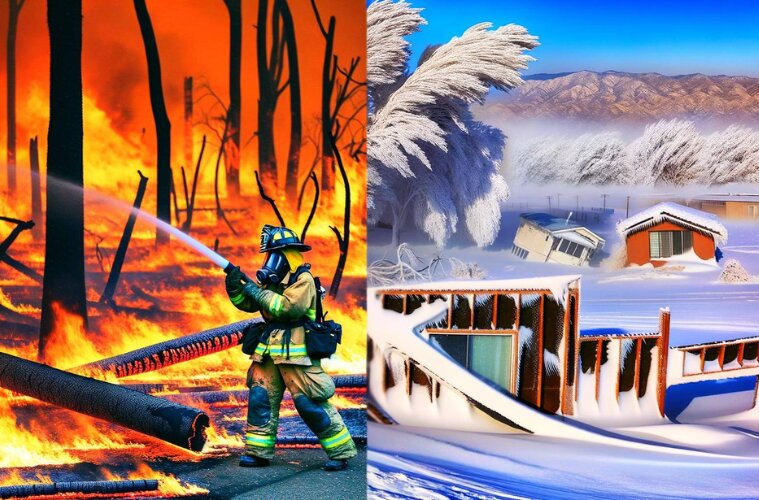
Dual disasters in Southern California and Western North Carolina expose critical gaps in utility preparedness, emergency response, and resource equity.

Scotland generates 113% of its electricity from renewables, leading the UK. Other regions are innovating to catch up in the green energy race.

Elevated CO2 accelerates plant growth but causes nutrient dilution, lowering key nutrients in crops and threatening global food systems.

Could carbon-storing materials revolutionize the construction industry?

The fashion market will hit $1,062 billion by 2028, growing 8.67% annually, but SMEs face inefficiencies, trust issues, and risks in competing effectively.
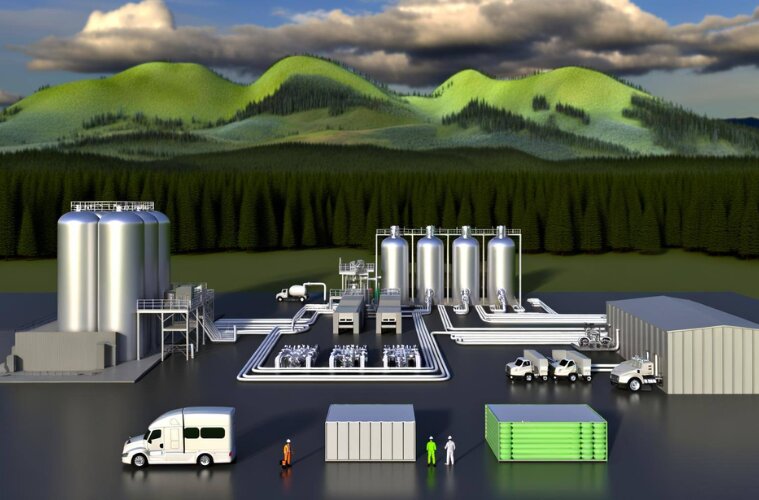
The development of green hydrogen energy facilities presents a unique opportunity to blend economic growth with environmental responsibility.
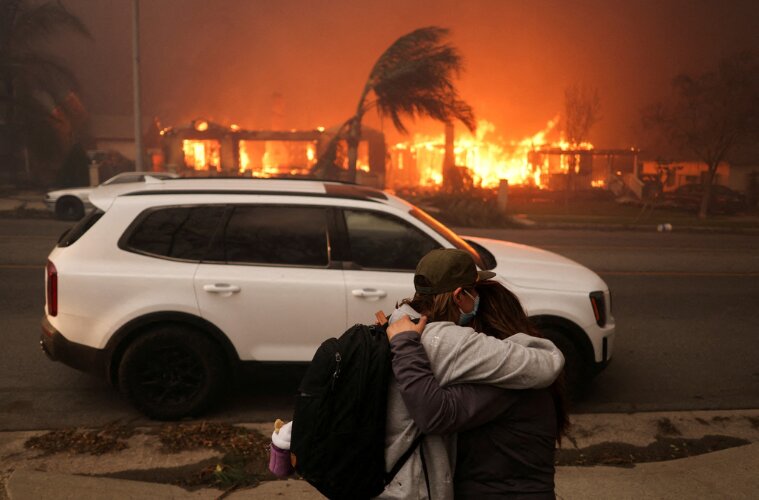
Federal aid arrives as California battles devastating wildfires, revealing systemic issues in infrastructure and disaster preparedness.
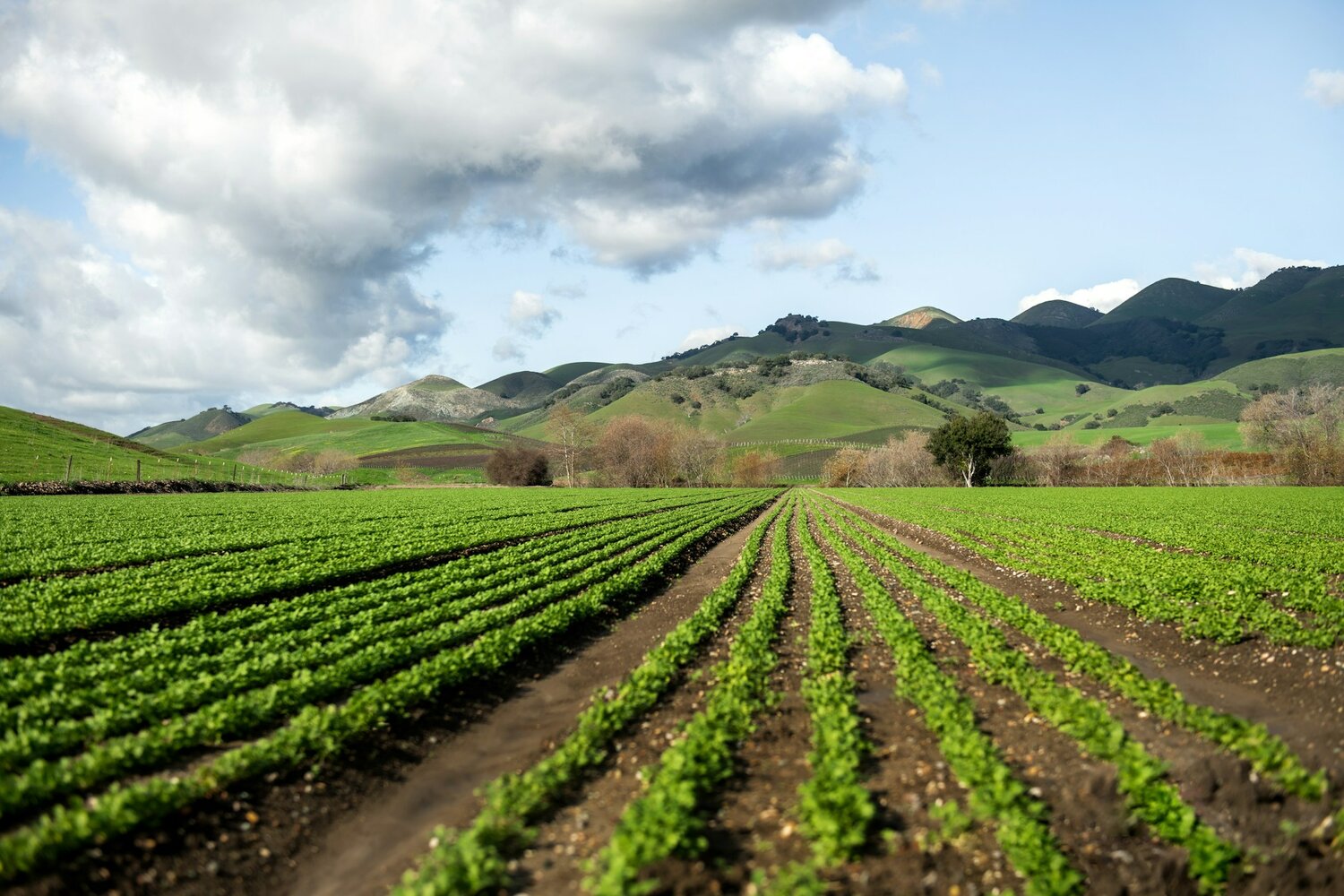
Advanced food systems in wealthy countries reduce climate policy impacts on consumers, while developing economies face higher price pressures.

As energy firms pay a $5.6M fine for merger misconduct, the FTC’s actions raise critical questions about ethics, accountability, and market impact.

New research finds smaller Antarctic calving events, not massive icebergs, are the main drivers of ice loss, reshaping climate science views.