
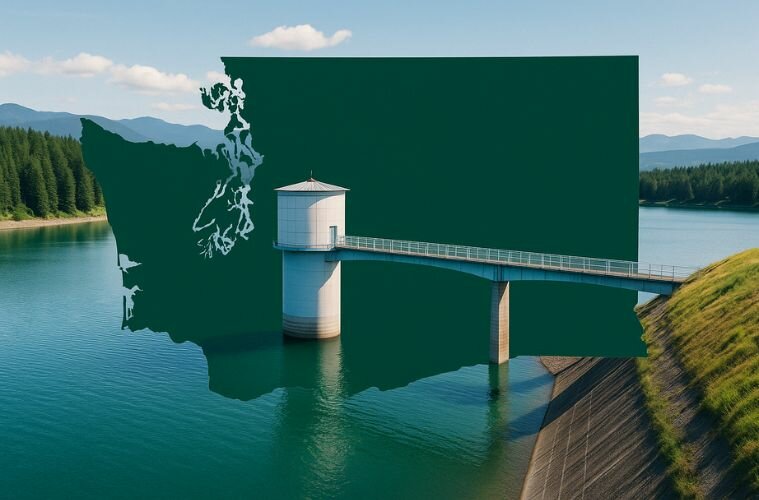
Washington’s HB 1615 updates public water system classifications, eliminating assumptions that burden small providers. Here’s why that change is critical for fair and accurate regulation.

TeamSense explores how manufacturers are using AI for automation, machinery, and supply chain optimization, but why most frontline workers are being left behind.
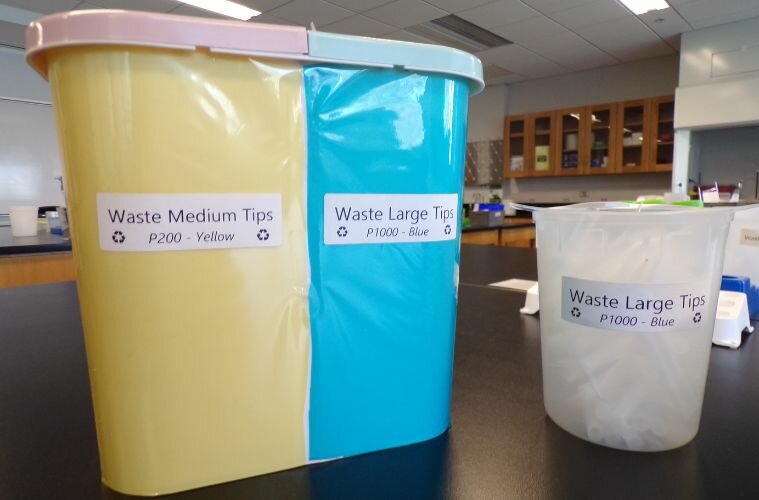
Georgia Tech is transforming its labs with the My Green Lab certification, cutting energy and waste while boosting sustainability in academic research.

New research shows Queensland's regrowth forests offer vital habitat for threatened species—yet remain overlooked in conservation policy and land use planning.
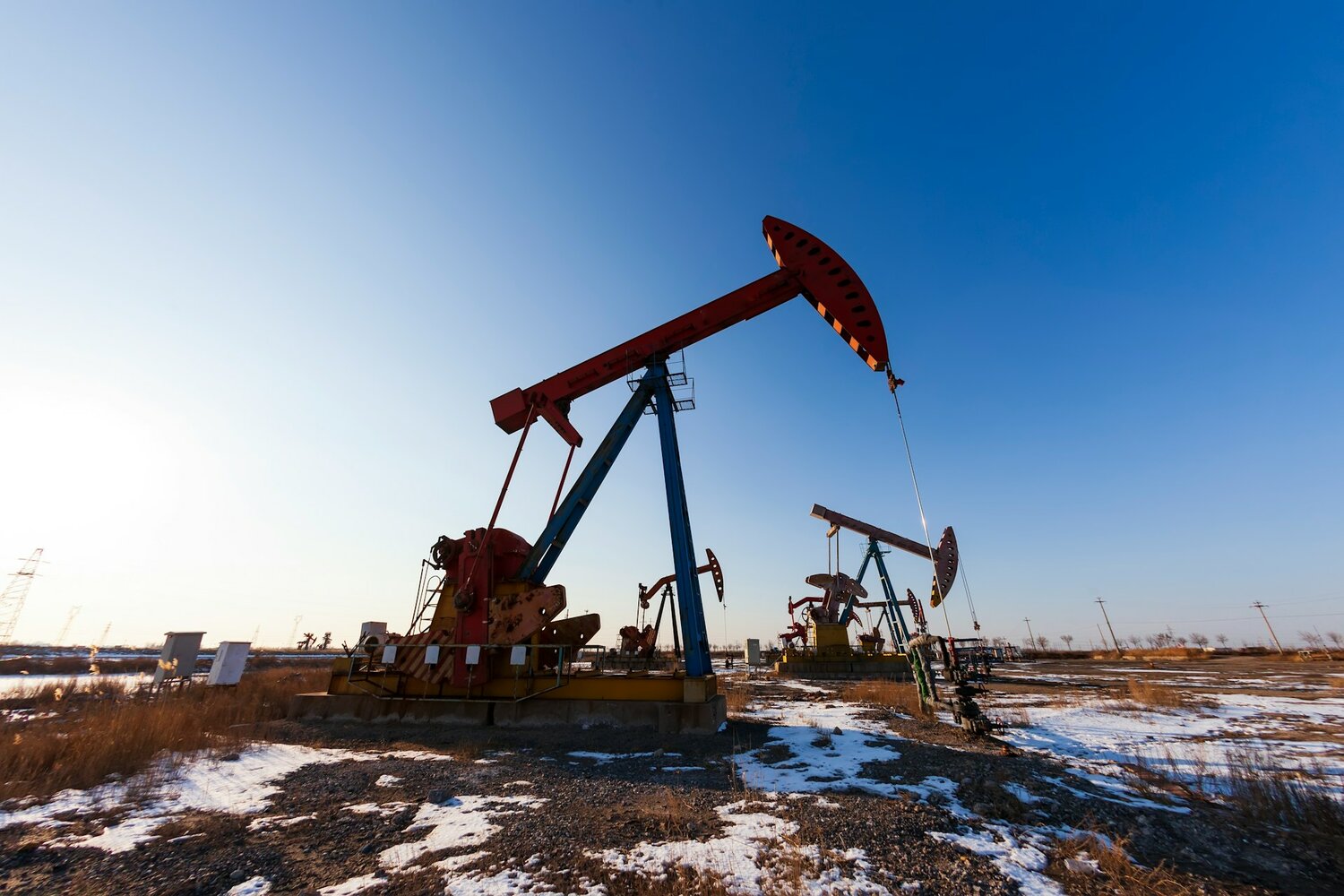
Well Done Foundation plugs its 50th orphaned oil well—its first in Oklahoma—through a landmark partnership with the U.S. Fish and Wildlife Service.
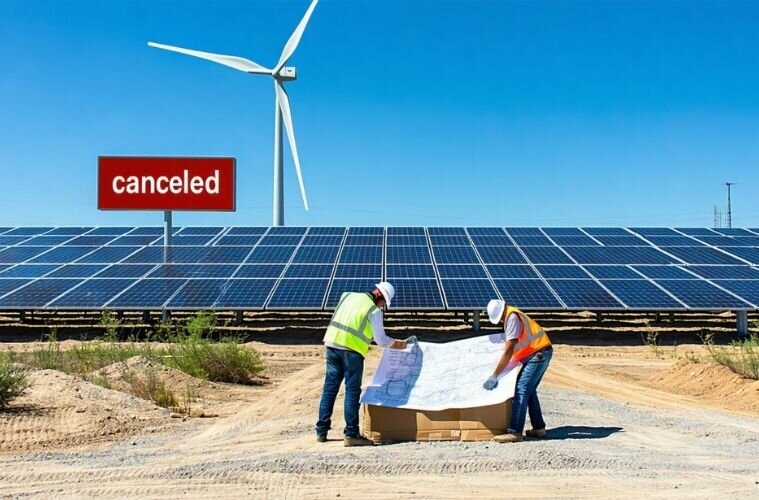
U.S. clean energy faces a major blow as $8B in Q1 2025 investments are canceled, signaling industry uncertainty tied to federal policy shifts.
UK Expands Carbon Credit Trading to Strengthen Green Finance and Business Investment
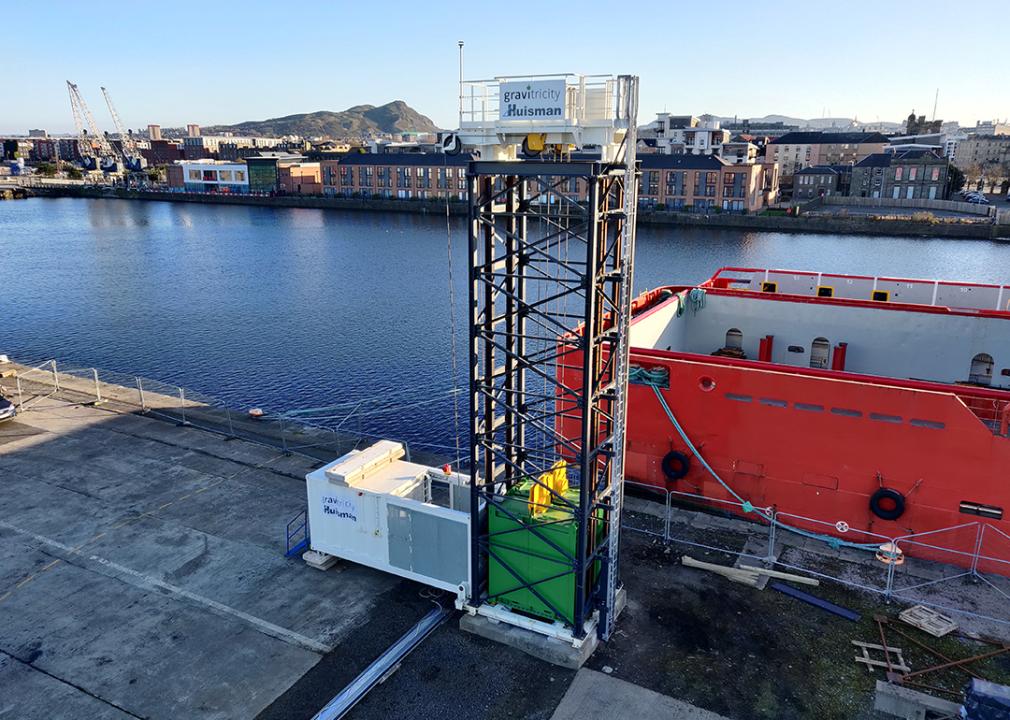
Reasons to be Cheerful explains how "gravity batteries" are giving former mines a second life—while offering an economic and environmental boost to communities once reliant on coal.

Recent research reveals that 75% of companies now acknowledge the pivotal role circularity plays in driving revenue growth, enhancing resilience, reducing costs, and advancing sustainability.
TerraPower begins UK licensing process for its Natrium reactor, marking a major step in expanding advanced nuclear technology across international markets.

NTT DATA's Berlin data center will supply waste heat to a new urban area. The system supports 10,000 residents with low-carbon heating.

Toxic metals now taint 16% of cropland, affecting key food regions. Agribusiness faces rising risks to production and trade stability.
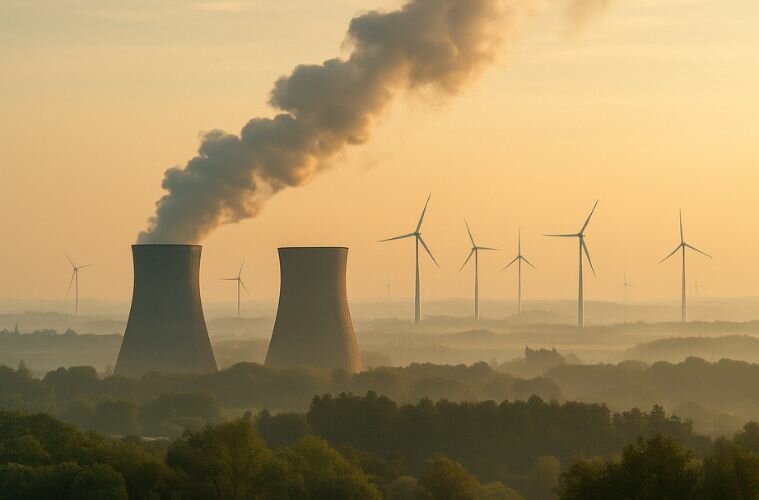
China’s power sector surged with solar up 30.8% and coal down 3.3%, but air pollution in key provinces continues to exceed national safety limits.
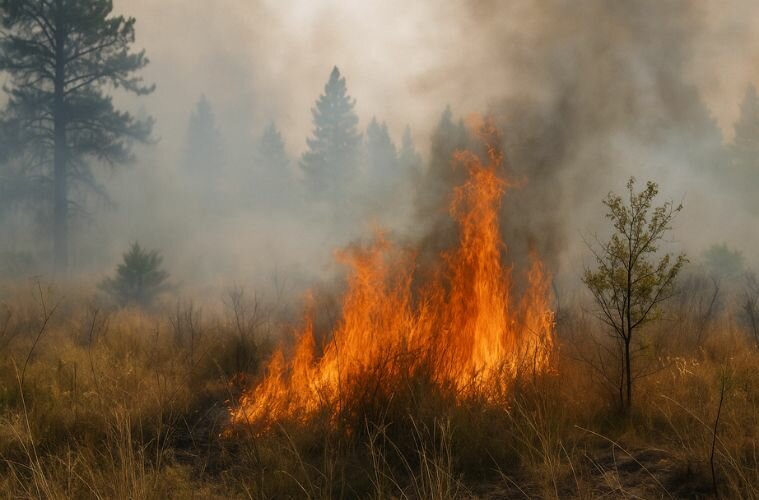
California launches a faster permitting process for wildfire safety projects, building on billions in investments and expanding environmental safeguards.

With the IMO’s new emissions plan, carbon will soon carry a cost for global shipping—net-zero by 2050 is now the goal.

Hawaii Legislature passes resolution urging alignment with the UN Plastics Treaty and Rapa Nui Declaration to combat plastic pollution and protect marine ecosystems.

Updated emissions data and a publicly available tool challenge assumptions about mass timber’s carbon neutrality, guiding more informed material choices.
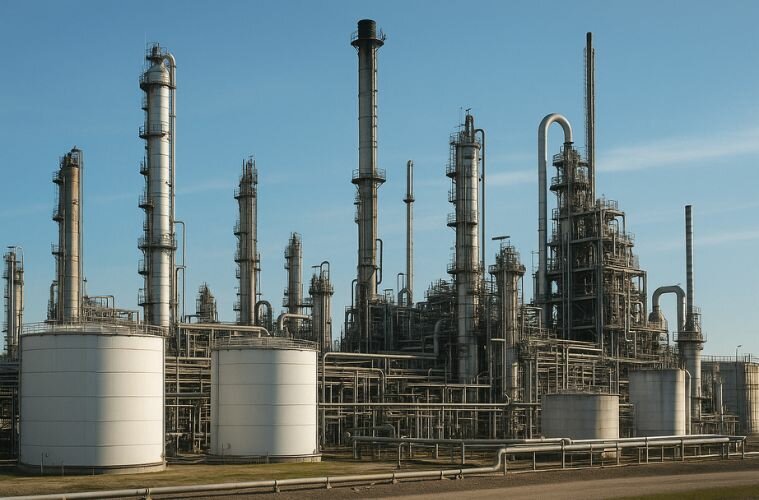
The U.S. leads North America’s SAF surge with billion-dollar projects and policy backing, while Canada sets the stage with early investments and partnerships.
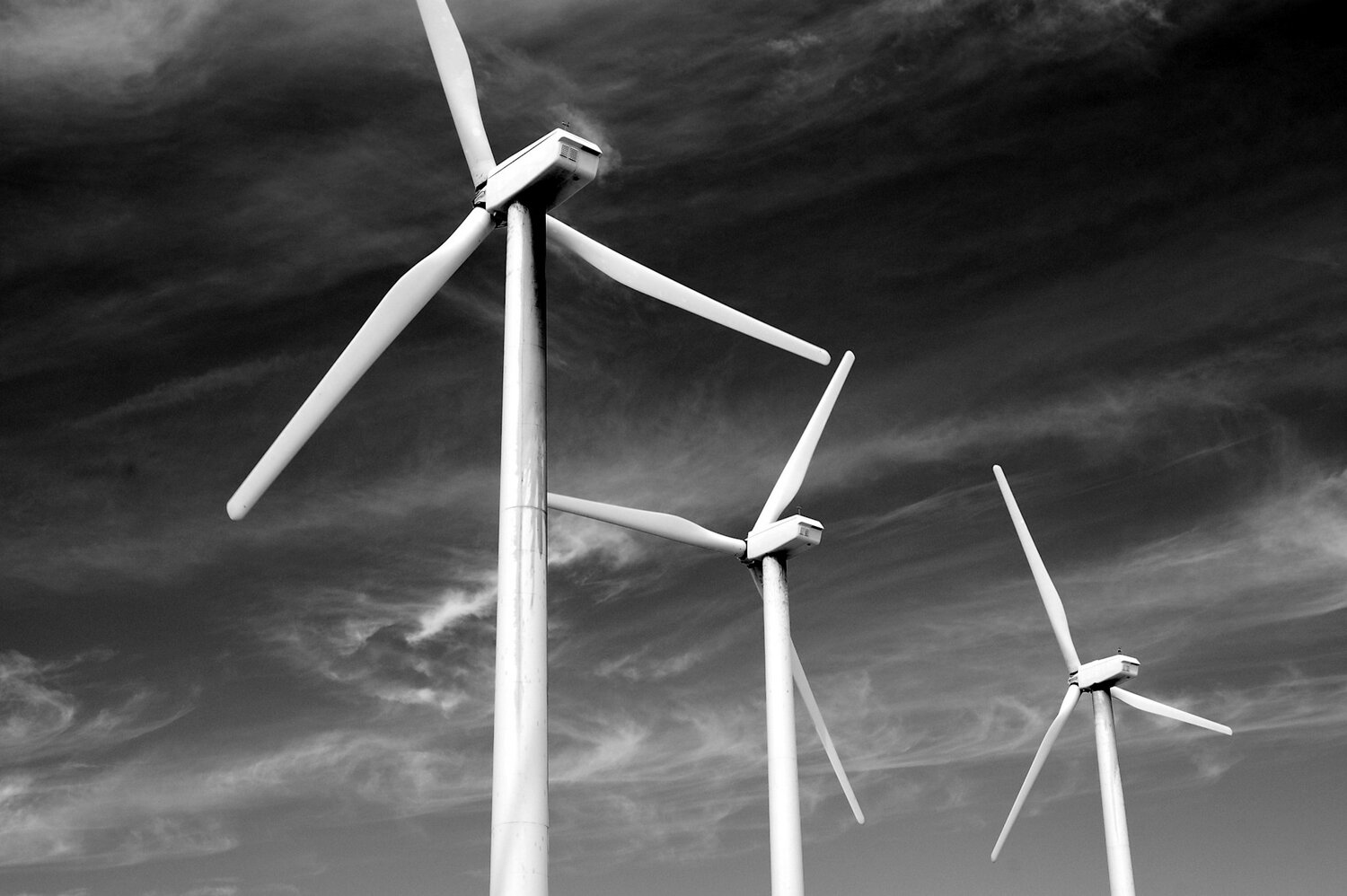
New digital twin tool from CGI and Fathom cuts O&M costs and improves planning with real-time performance insights.
Changes to the landscape and pollution have harmed this vital ecosystem known as the ‘river of grass.’