

Gov. Jim Pillen promoted Nebraska ethanol and biofuels in Japan as the country plans higher fuel blends, opening major opportunities for U.S. farmers and exporters.
![Sherry Lippiatt, Partnerships Lead, [C]Worthy](https://alpha.creativecirclecdn.com/environment/original/20250907-133746-b00-thumbnail_Lippiatt%20headshot.jpg)
Direct ocean capture could supply CO2 for e-fuels, but certification and RED rules will shape its role in aviation and shipping decarbonization.

Air Lease to be bought for $7.4B by a Sumitomo/SMBC-led group with Apollo and Brookfield, as lessors fuel fleet upgrades and SAF policies tighten in the EU.

IBM and NASA’s Surya model forecasts solar storms using AI and NASA data. The open-source tool will protect satellites, power grids, and key systems.

SHEIN and Lufthansa Cargo plan to use SAF in deliveries, but critics say fast fashion’s reliance on air freight undermines the sustainability claim.

A California startup has found a way to turn manure into jet fuel. Their compact, electric system could reshape both aviation and farm waste economics.

Defense contractors are accelerating adoption of synthetic and sustainable aviation fuels to enhance energy resilience, operational reach, and global interoperability.

UTEP scientists found a way to triple oil production in algae using zinc oxide nanoparticles. The stress-based method could reshape scalable biofuel manufacturing.

Howard Energy Partners' 2024 report details $1.1B in acquisitions, reduced emissions, and new low-carbon projects under its "More Energy. Carbon Better." strategy.

A new study shows that reducing U.S. military spending has a greater impact on lowering energy use than increasing it does on raising consumption.

AeroVironment, Inc's new Maryland facility adds 200 high-tech jobs and reinforces its ESG commitments to innovation, sustainability, and national security.

AB 839 fast-tracks CEQA review for sustainable aviation fuel projects—but could the streamlining trigger legal backlash over environmental safeguards?

The global travel industry is under pressure to decarbonize fast. New regulations, investor demands, and climate risks are reshaping aviation, cruises, and hospitality. Here’s how the sector can respond.

As Michigan launches a state-level tax credit program for Sustainable Aviation Fuel, U.S. producers expand output—even as federal policy under the Trump administration sends mixed signals.

Lockheed Martin and Electra expand collaboration to accelerate the EL9 Ultra-STOL hybrid-electric aircraft for military, logistics, and emergency applications.
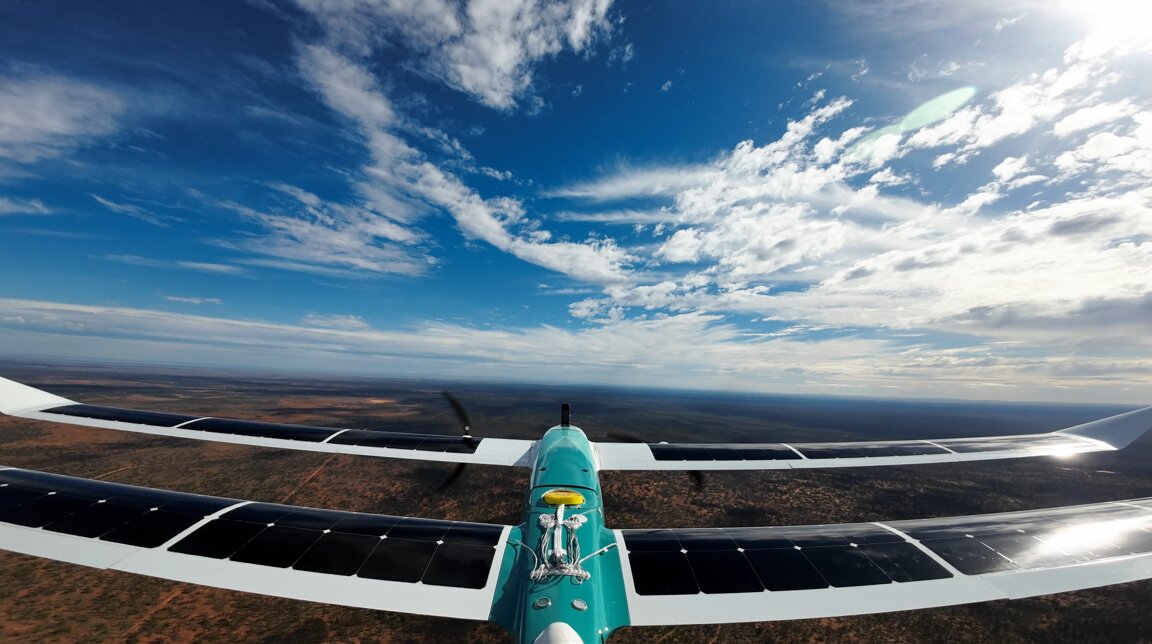
French aerospace firms XSun and H3 Dynamics unveil a solar-hydrogen-battery UAV with a tri-brid energy system, extending flight time, cutting emissions, and enabling off-grid operations with mobile hydrogen refueling.

2025 marks a pivotal year for SAF as global demand spikes, HEFA feedstock strains grow, and mandates demand diversified, scalable fuel pathways.

FAMU-FSU engineers unveil an integrated cryogenic hydrogen storage and cooling system powering a rapid zero-emission aviation toward commercial reality by 2035.

A new initiative is pushing sustainable aviation fuels in Asia-Pacific. Major airlines and corporates are backing the shift to cleaner skies.
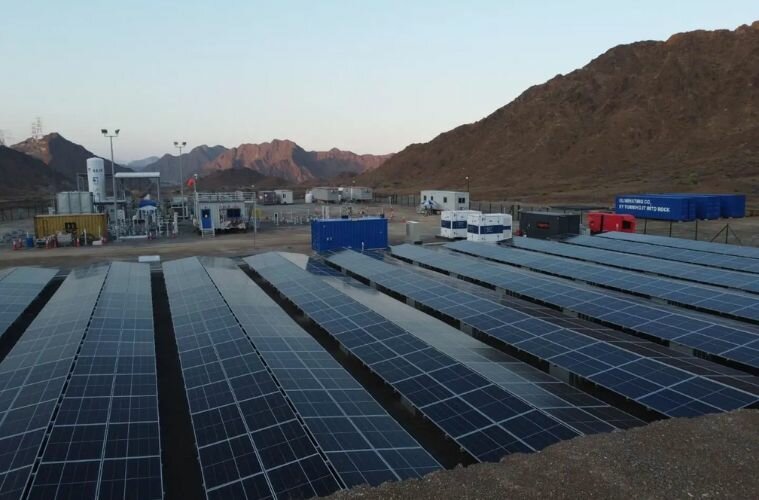
Project Hajar captures CO₂ from air and mineralizes it underground. Its XPRIZE win signals growing commercial potential for permanent, scalable carbon removal.