


The data is better than it has ever been. It is also revealing something uncomfortable: visibility and control are not the same thing.

Pennsylvania has addressed less than 2% of its documented inventory of orphaned and abandoned wells, each one a potential source of methane emissions, groundwater contamination, and safety risk.

A federal class action filed May 28 against EMR Advanced Recycling in Camden, NJ cites more than a dozen fires since 2020, repeated NJDEP violations, and displacement of over 100 families.

Organizations that can demonstrate command over their value chain emissions are differentiating themselves in procurement decisions and investor conversations in ways that organizations relying on estimates cannot match.

Switch Bioworks is testing microbial fertilizer in Midwest corn fields. The trials will show whether engineered microbes can support nitrogen delivery at scale.
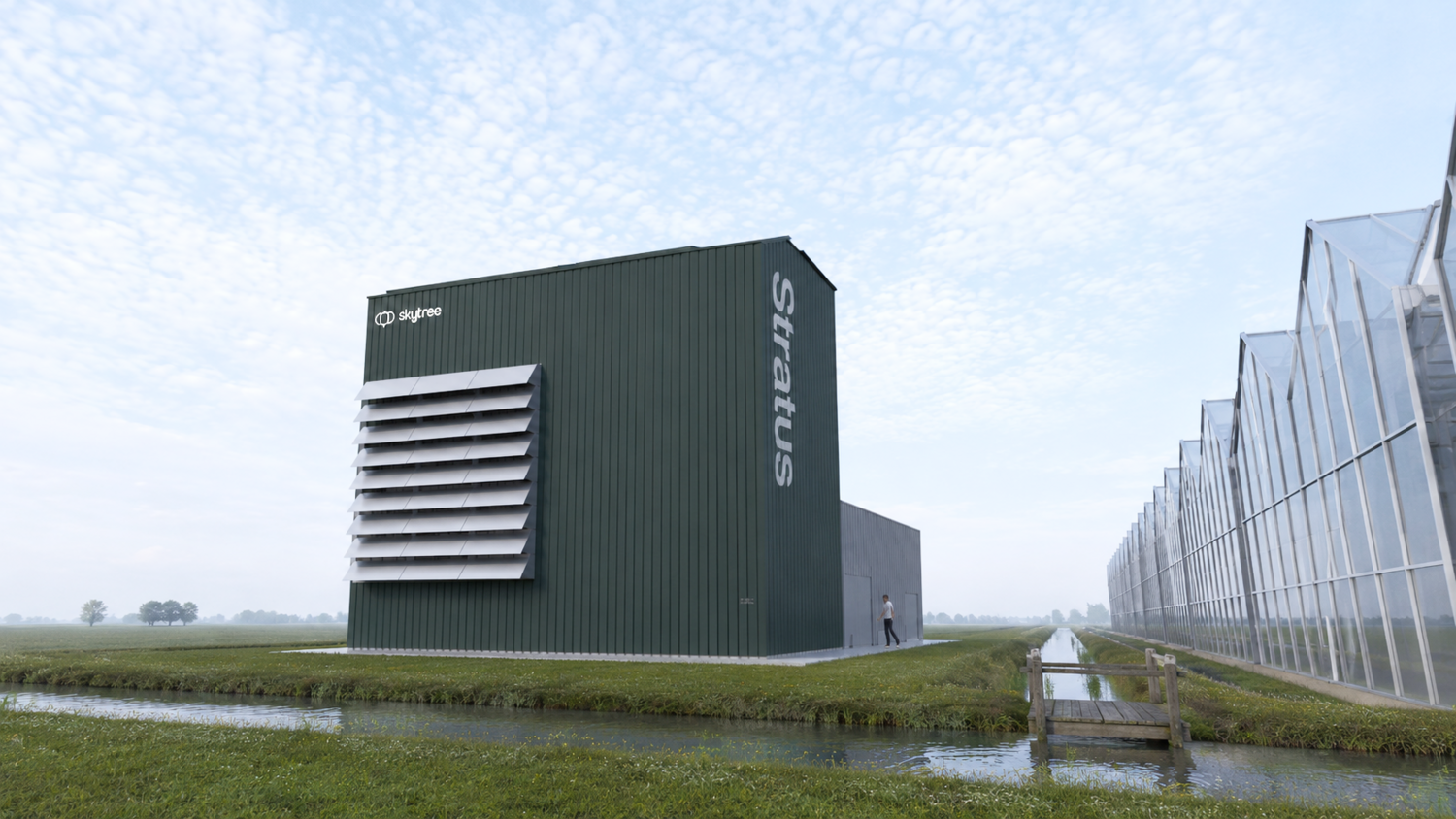
Skytree and Lingezegen Energy are bringing direct air capture into Dutch greenhouses. The project could make fossil-free CO₂ a practical crop input.

Sustainability teams must now report the same data through CSRD, IFRS S1 and S2, CDP, and GRI at once. Software providers are splitting into two distinct categories to keep up.

M-44 cyanide devices are back in the predator-control debate. For land managers, the issue now spans safety, liability, pets and endangered wildlife.

Las Virgenes is testing subsea desalination. The project could add a local supply option as drought and imported water risks grow.

Canovation and CANPACK are preparing CanReseal for pilot-line use. The project tests whether resealable aluminum cans can fit existing production.

Wisconsin settled its PFAS enforcement case against Tyco Fire Products, requiring a $10M trust fund payment, replacement wells, and 20 years of groundwater monitoring in Marinette County.

South Africa has enacted one of the most ambitious sustainability disclosure frameworks on the African continent. What the framework requires and what most companies can actually produce are two different things.

Massachusetts health officials are testing air quality at Uxbridge High School after multiple teachers were diagnosed with breast cancer.

Singapore, Malaysia, Indonesia, and Thailand have enacted mandatory sustainability disclosure. Third-party assurance lags years behind, leaving a gap between what is filed and what can be trusted.

GHG Protocol updates would require hourly-matched renewable energy procurement. Companies built on annual RECs or cross-border certificates face a disclosure credibility problem.

Contrails.org has launched open data for airlines. The tool shows where contrails form, helping teams target warming cuts without sweeping fleet changes.

Scope 3 emissions represent 75% of most corporate footprints, but 79% of companies say supplier data is their top challenge. That gap is widening as mandates tighten.
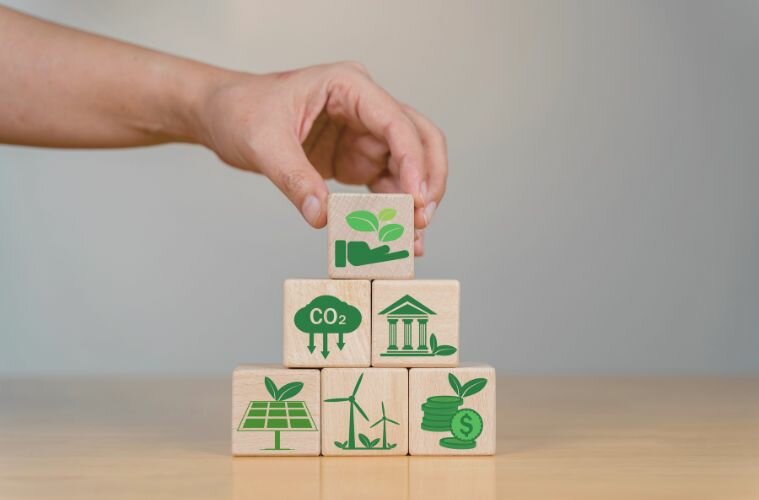
Research finds most carbon offset programs fail to deliver real emissions reductions. As net-zero strategies depend on offsets, the credibility of those claims faces widening scrutiny.
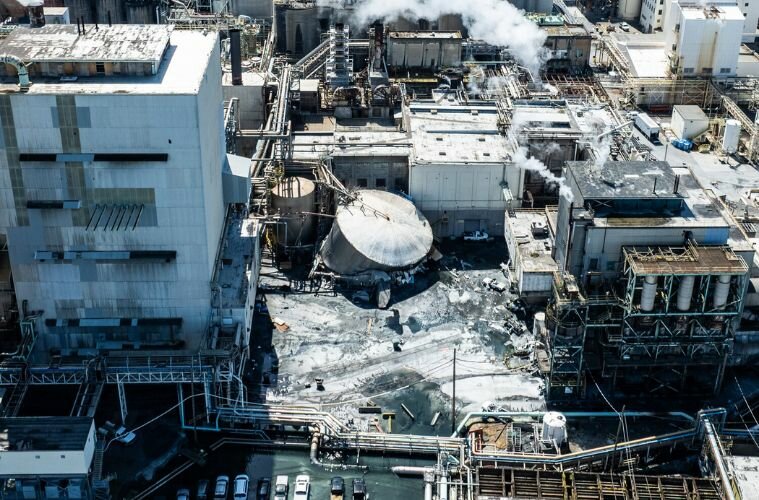
A 900,000-gallon white liquor tank implosion at Nippon Dynawave's Longview mill killed 11 workers on May 26. Federal investigators are on site as scrutiny mounts over the facility's safety record.

MIT research shows third-party audited companies initially report 13.7% higher emissions. That is not failure. It is what honest measurement looks like — and regulators are watching.