


Smart hydrants are giving utilities a sharper view of aging networks. McWane’s iHydrantPlus supports leak detection, pressure monitoring and faster response.

The biggest risk entering H2 may not be execution. It may be relying on planning assumptions that no longer reflect operating conditions.

Grid capacity limits, water constraints, permitting delays, and capital deployment challenges are increasingly converging on the same projects.
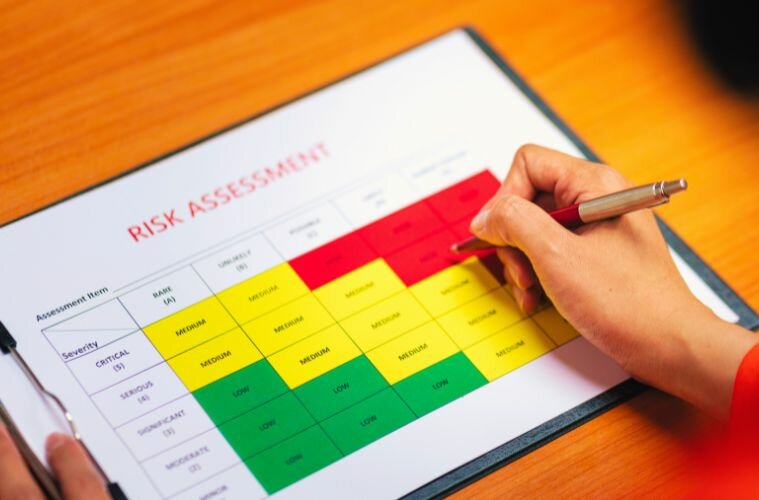
Heat enforcement, grid constraints, supply chain exposure, and AI infrastructure demands altered corporate risk profiles in Q2. Many companies are still operating from outdated assumptions.

EHS, facilities, procurement, and sustainability each left something unresolved in Q2. Here is what each function needs to close before the second half starts.

Capital stalled, compliance maps got harder, and supply chain pressure formalized. Executives who planned for Q2 resolution need a different framework going into the second half.

Silicone hull paint beat copper coatings in European tests. The findings could reshape antifouling choices for boatyards, marinas and paint suppliers.

The Global Environment Facility's latest funding cycle prioritizes biodiversity, climate resilience, water management, and clean energy projects through 2030.

Climate litigation, conflicting regulations, and unresolved ownership rules are creating new obstacles for voluntary carbon markets just as corporate demand is expected to grow.

Bio-PDO is moving from green claim to measured carbon data. The latest LCA gives buyers clearer evidence on renewable inputs.

The Justice Department seeks dismissal of an NAACP Clean Air Act lawsuit against xAI, raising broader questions about enforcement authority and AI infrastructure.
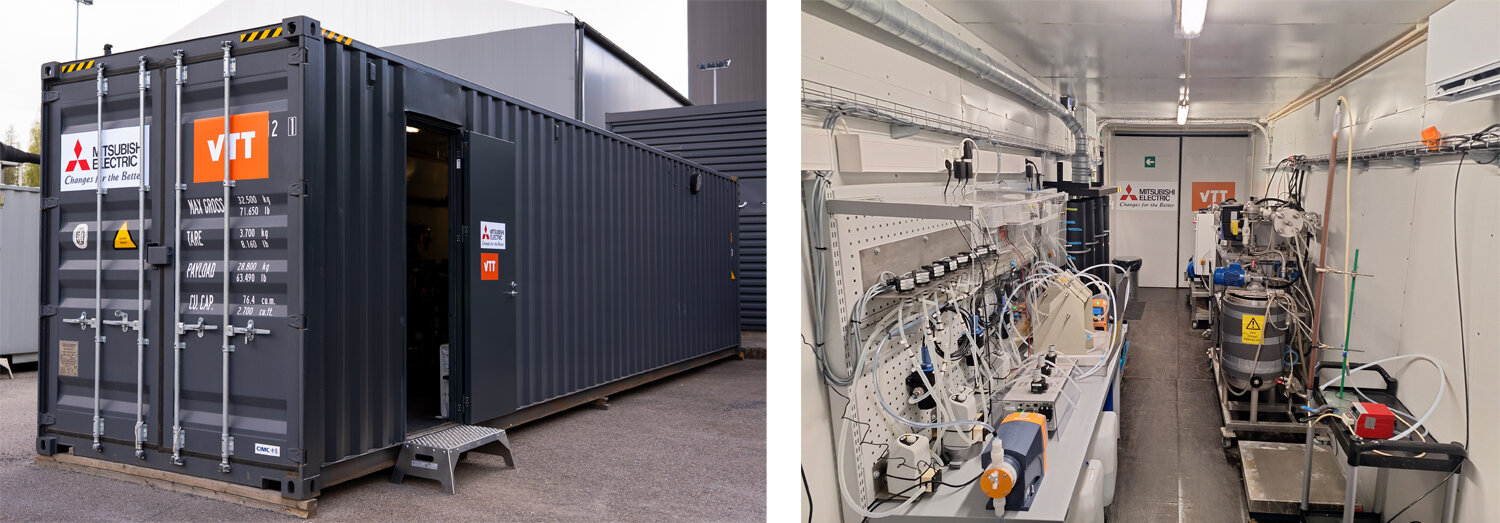
Mitsubishi Electric and VTT are preparing a direct ocean capture system for coastal trials. The work could test seawater's role in scalable carbon removal.

Only 37% of corporate net zero targets cover Scope 3. Supply chain emissions average 11 times a company's own footprint. The people deciding whether climate goals are met are upstream.

Companies are now accountable for emissions and environmental risk in supplier facilities they do not own. Most sustainability programs were not built for that scope.

Climate solutions remain far smaller than the problem they aim to solve. Brent Constantz argues that only gigaton-scale carbon removal and storage efforts can credibly restore the climate.

TerraCycle’s NLR deal adds regulated waste capacity. The move gives business customers broader recycling and compliance support.
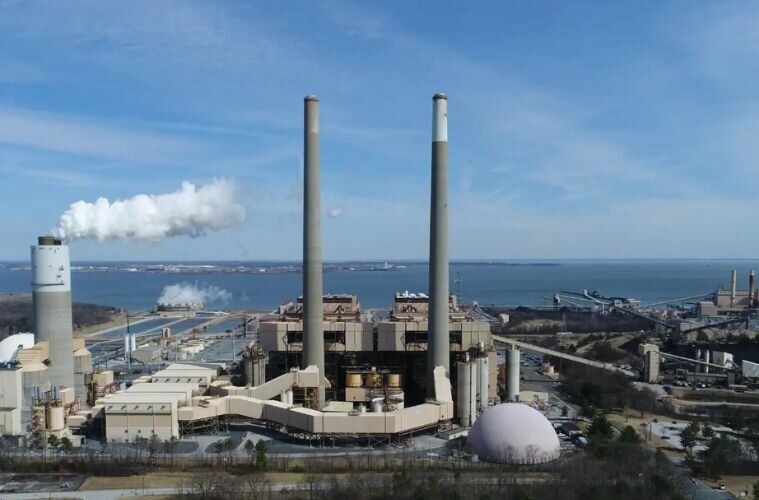
PJM and Talen Energy have filed at FERC to extend the Brandon Shores and H.A. Wagner reliability-must-run agreement to May 2031, citing transmission delays driven largely by data center load growth.

Twenty-one percent of supply chain leaders still operate without real-time visibility into disruptions affecting their suppliers

Companies that map their full supply chain typically find more than they expected: hidden concentration, environmental exposure several tiers deep, and risk that travels farther than anyone modeled.

Consumer Reports detected no PFAS above its threshold in 18 baby wipe brands. No federal standard requires manufacturers to test or disclose PFAS content in personal care products.