

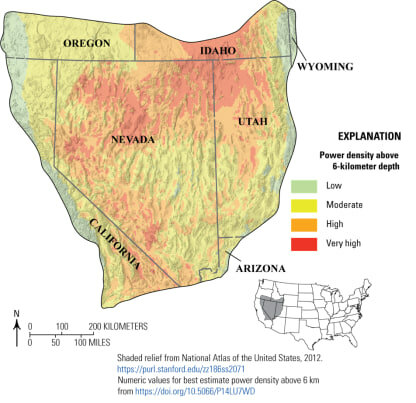
A new USGS study shows the Great Basin could power 10% of the U.S. with geothermal. The catch? Scaling up enhanced drilling tech.

Scaling up carbon removal won’t cut its impact. A new study finds afforestation and ocean-based methods stay effective at larger scales.

A new study reveals how cross-laminated timber (CLT) can play a dual role in reducing greenhouse gas emissions while reshaping forest management—though not without trade-offs for natural forests.

Microplastics are turning up in Brazil's off-limits ocean zones. Protected status isn't enough to block pollution carried by wind and sea.
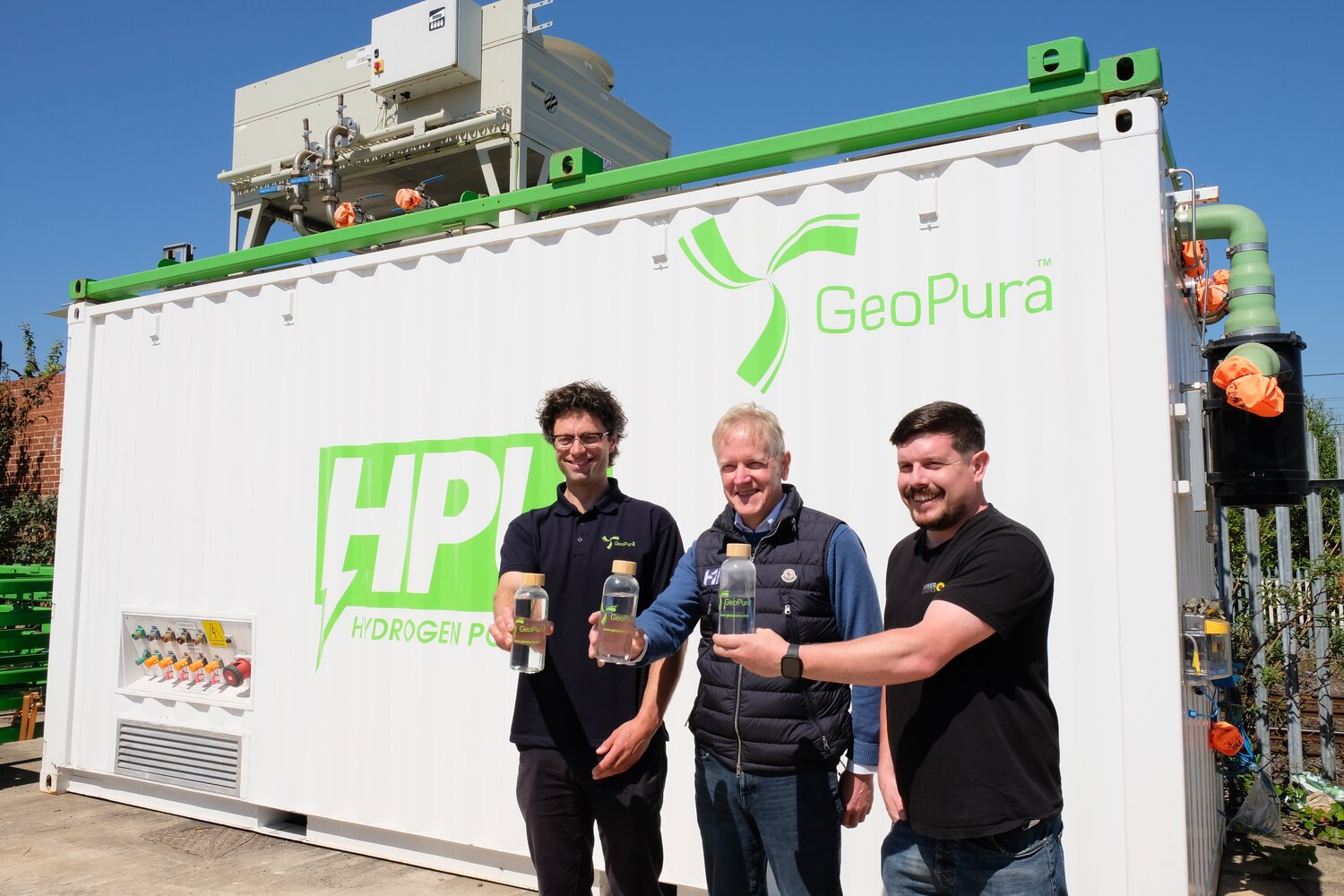
Extreme H just tested a new hydrogen unit with major power gains. The tech could fuel everything from races to remote live events.
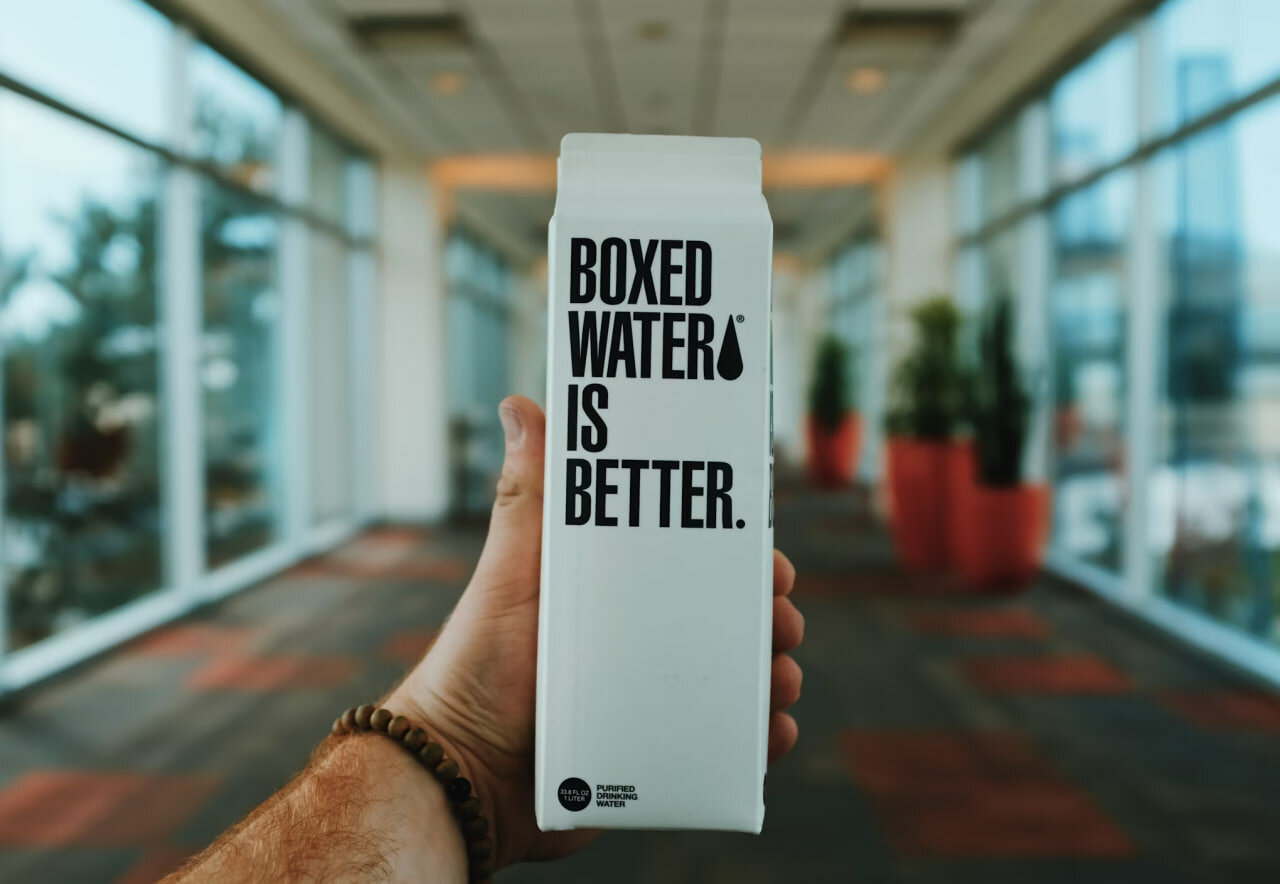
Plant-based PEF meets fiber bottle tech in a bid to cut plastic use. The Bottle Collective’s latest partner is aiming for scale and speed.

The Trump administration has cut tens of millions of dollars from a key Columbia Basin salmon-restoration program run by the U.S. Army Corps of Engineers, a move experts say puts the treasured Northwest fish in further jeopardy.

Novisto secures $27M Series C to expand ESG reporting solutions, tripling revenue since 2023.
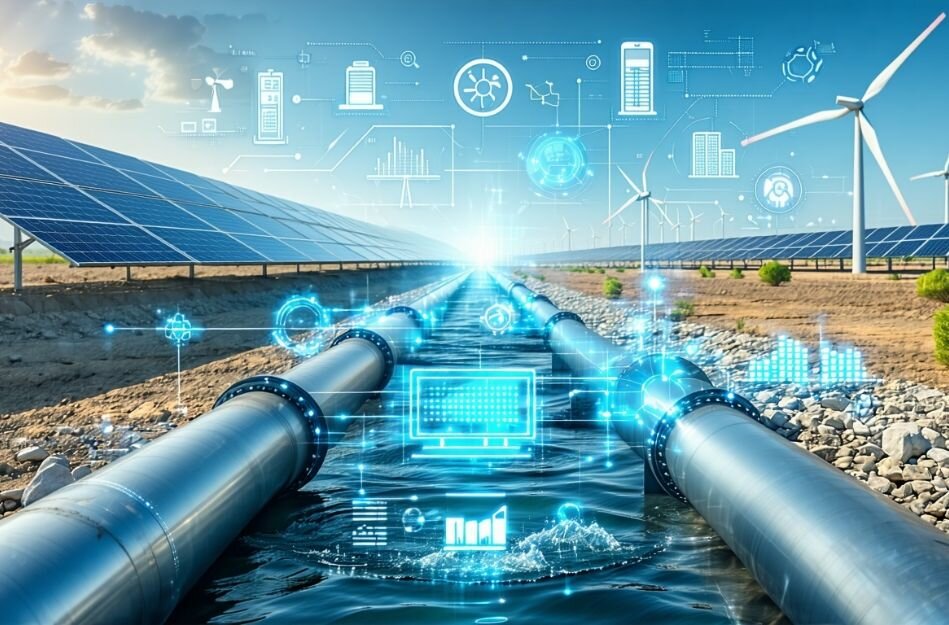
Explore Governor Newsom’s initiatives to modernize California’s infrastructure, from expediting the Delta Conveyance Project to record-breaking growth in battery storage capacity.
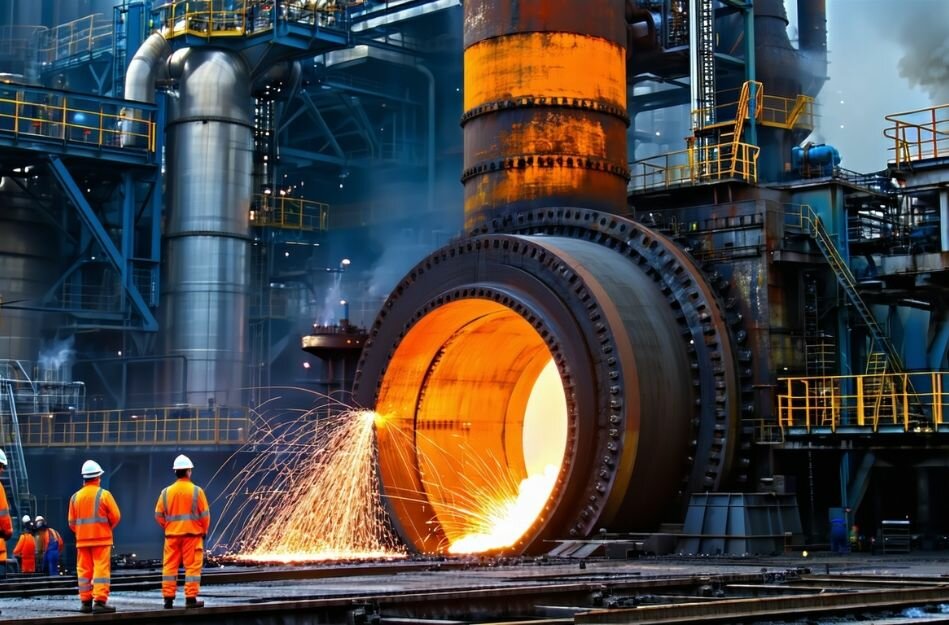
The steel industry’s decarbonization efforts are lagging, with persistent coal-based production threatening 2030 climate targets despite gains in electric arc furnace adoption.
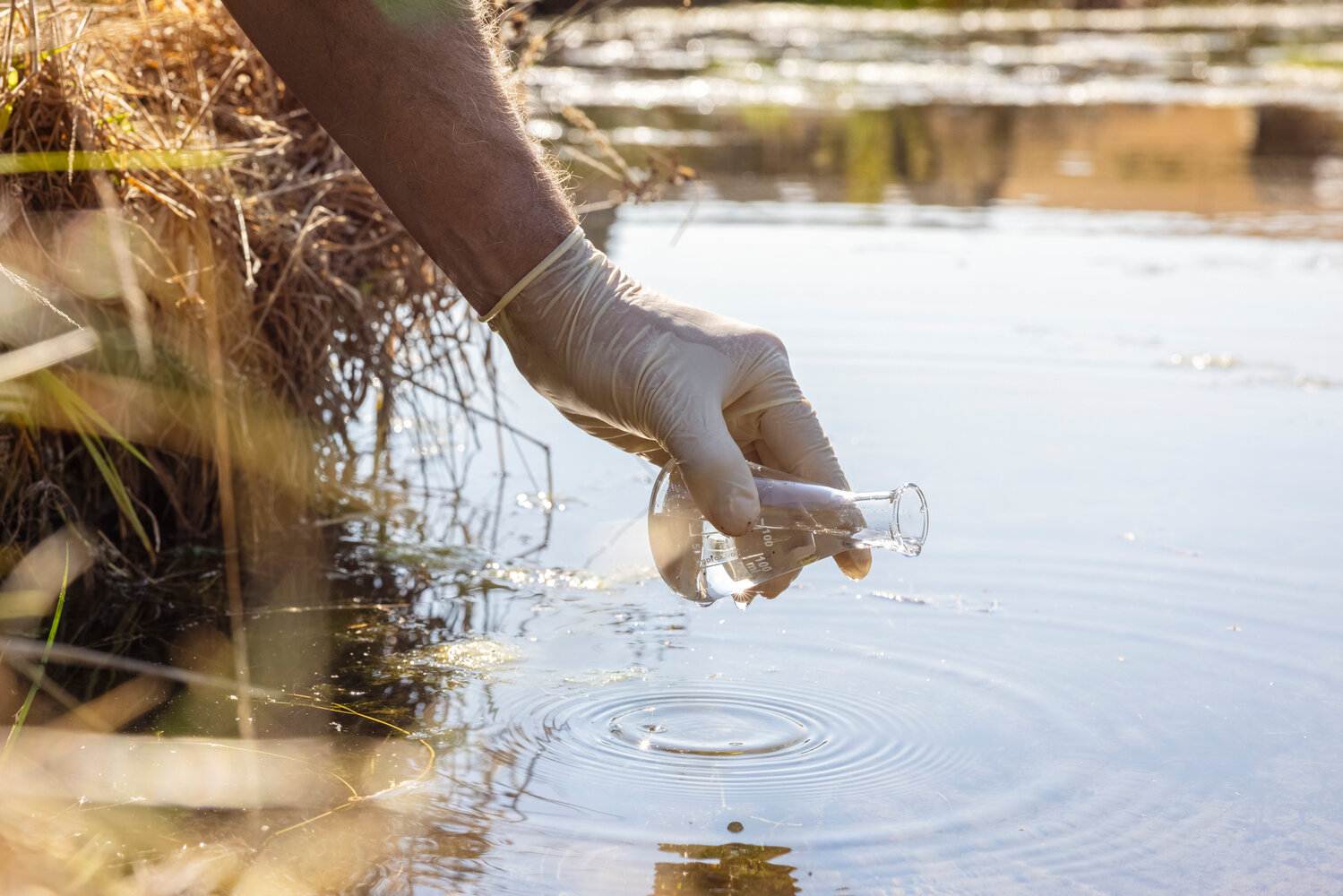
Antibiotics from human use are polluting rivers worldwide, raising health risks and forcing industry to rethink water management.

Data centers are using more power than ever as AI expands fast. The Northwest must balance digital growth with climate commitments.

Pennsylvania’s General Assembly advances Governor Shapiro’s Lightning Plan, passing key clean energy incentives. The EDGE Tax Credit and Community Energy Act aim to drive billions in investment and create energy jobs.
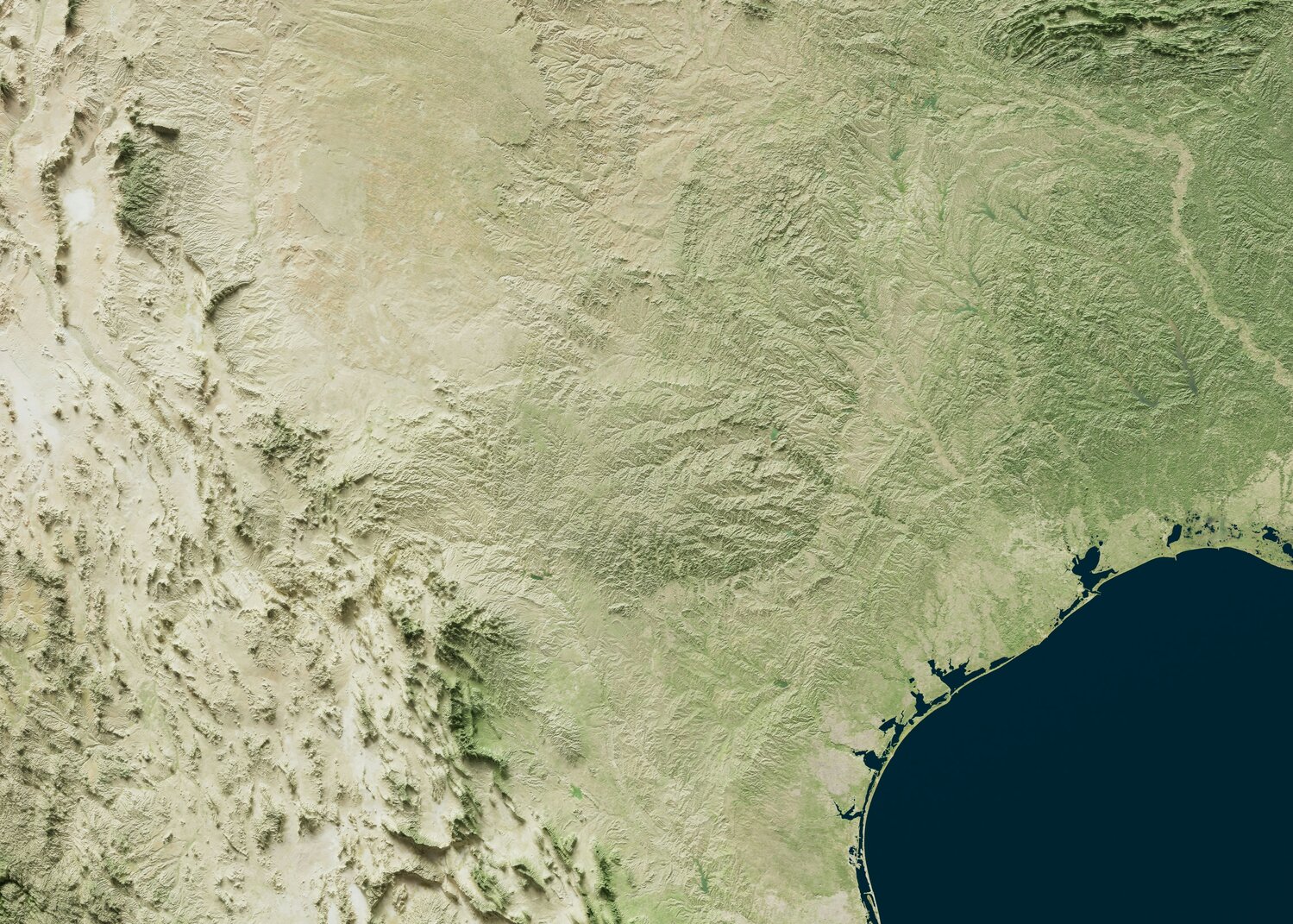
Texas bay sediments hold surprisingly few microplastics. But that means more are drifting into the Gulf, where long-term risks stack up.
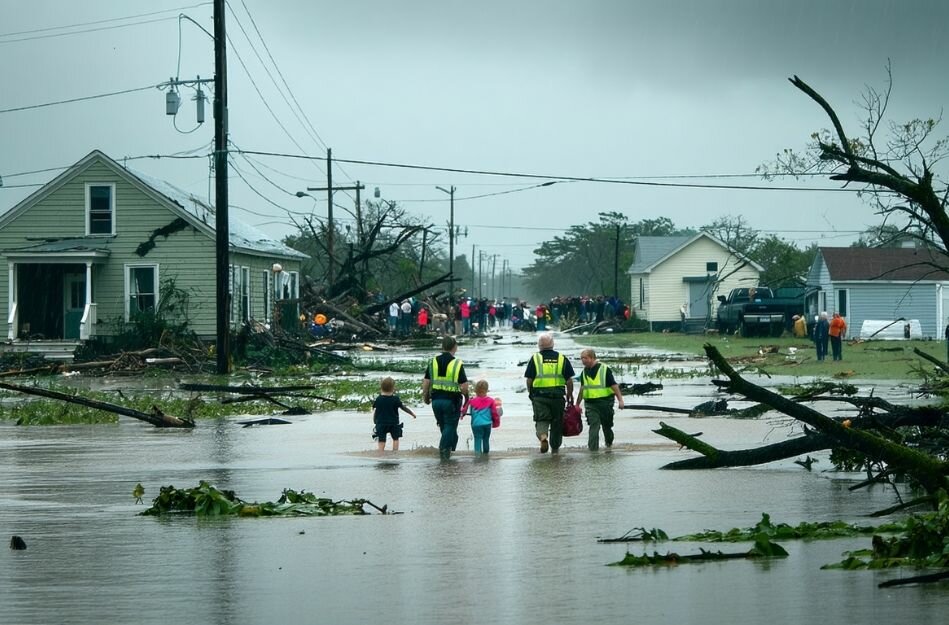
Climate extremes—including hurricanes, floods, and wildfires—are fueling mass displacement across the Americas. Governments must act swiftly to implement long-term solutions for resilience and recovery.
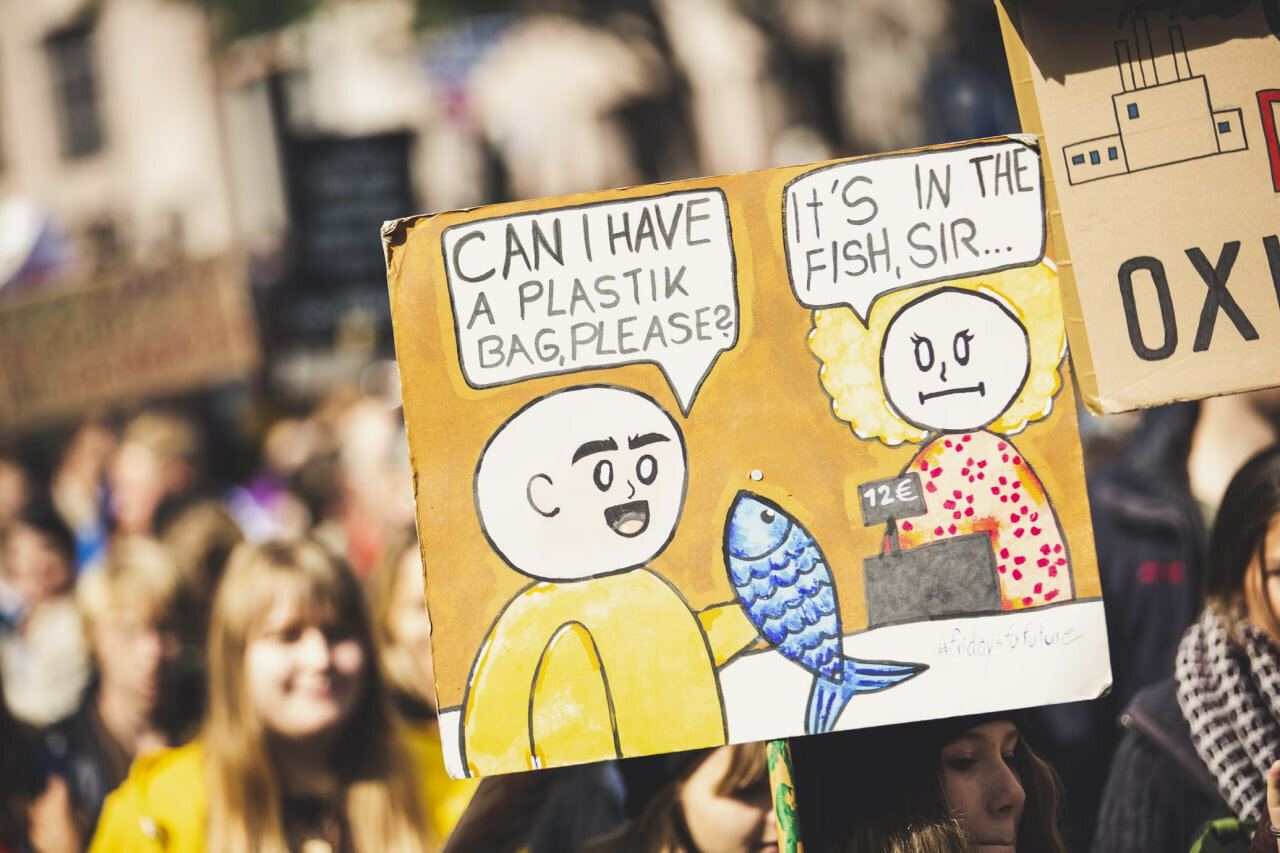
Synthetic chemicals in food are linked to serious health risks. Businesses that don’t adapt may face consumer backlash and new regulations.

Delaware’s Senate Bill 72 requires public drinking water systems to report PFAS levels and mandates consumer notifications when contamination exceeds legal thresholds—advancing water safety protections ahead of federal timelines.

Low-grade copper ores could finally pay off. A biotech twist on extraction is speeding up recovery—and cutting the need for harsh chemicals.
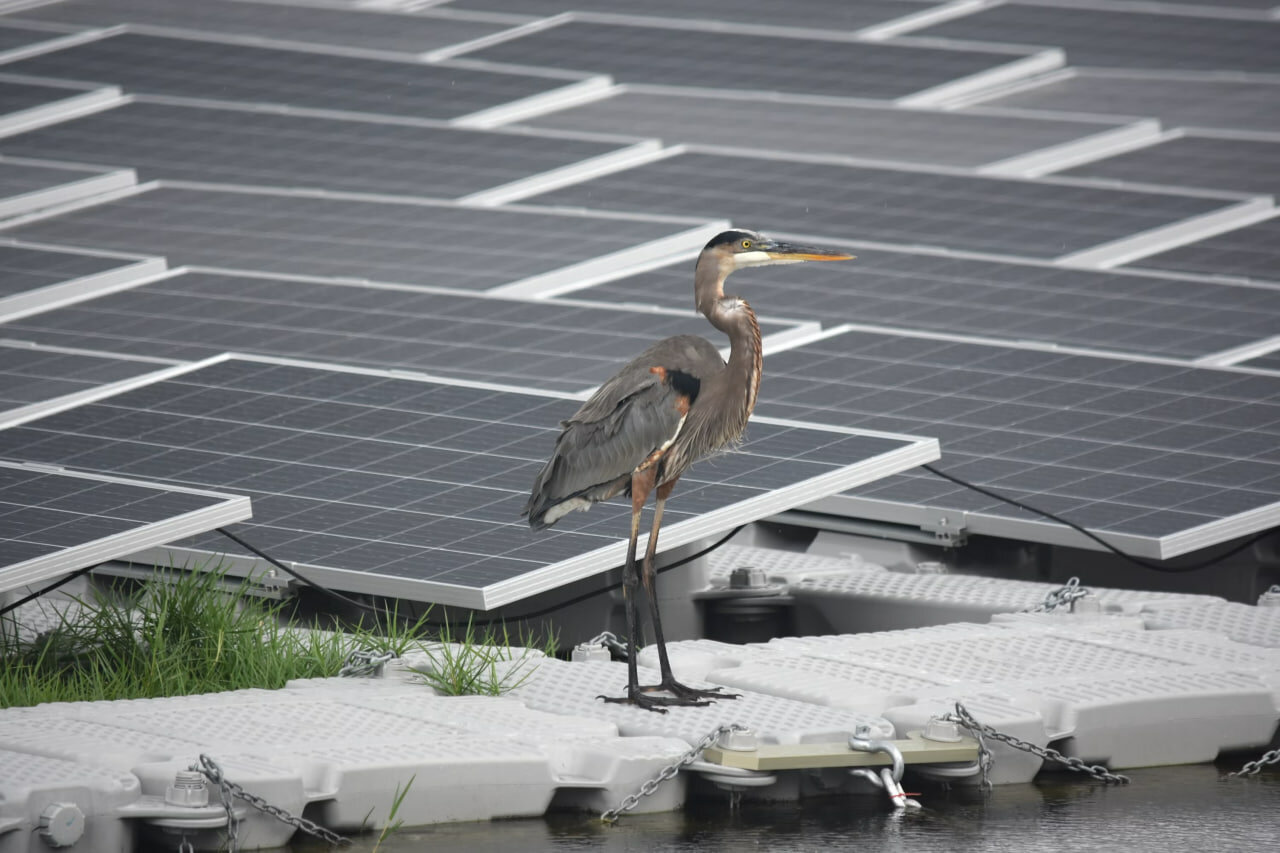
Floating solar cuts land use and boosts clean energy. But new research shows we need to understand its impact on waterbirds first.
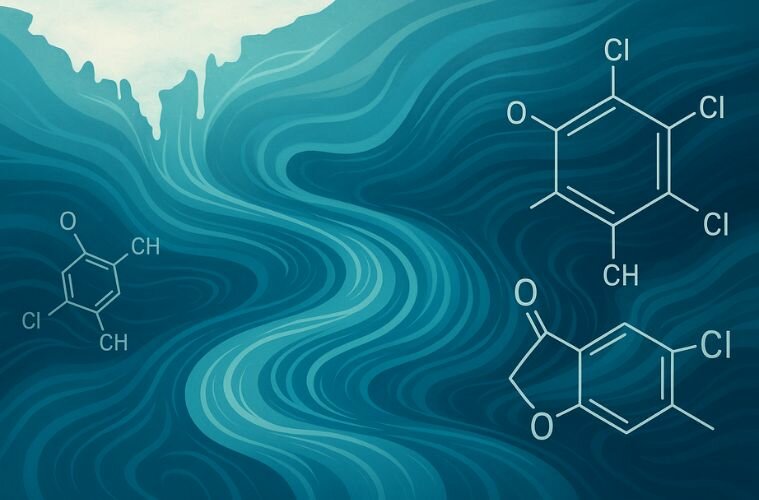
New research reveals how climate change alters persistent organic pollutant dynamics in global oceans, threatening marine ecosystems and food webs.