


A new UN report says cutting methane from oil, gas, and coal offers the quickest emissions reductions, with proven technologies and relatively low costs.

Nassimi is linking upholstery materials to reforestation and social support. Its partnerships fund tree planting and help women rebuild their lives after abuse.

Administrator Lee Zeldin's Virginia tour highlighted state partnerships, voluntary conservation, and technology investment over new EPA regulation.

EU regulators approved $334 million (€290 million) for Dutch sustainable aviation fuel plants, backing technologies beyond conventional biofuels.

A $5.8B Dresden chip expansion is putting water infrastructure in focus. Gradiant delivered ultrapure and recycled water systems three months early.

EPA's latest scorecard emphasizes permitting, cleanup, infrastructure, and regulatory actions over new climate initiatives, signaling shifted priorities.

EPA is asking manufacturers and downstream users for workplace, exposure, and process data that could shape its final TSCA risk evaluation decision.

Tantangan Solar is now generating power in Mindanao. The 99 MW project pairs solar with battery storage to boost grid flexibility and renewable power supply.

A Hefei, China study finds urban trees and shrubs each add different pollutants, nitrogen, phosphorus, organic carbon, to rainfall passing through canopies.

Isolated targets no longer cut it. Kenvue's climate lead makes the case for treating supplier collaboration as a core business capability, not a checkbox.

PFAS restrictions are pushing manufacturers to rethink coatings. Femtosecond lasers could offer a chemical-free way to engineer water-repellent surfaces.

A peer-reviewed study finds nanoplastics in McMurdo Dry Valleys soil at over half of sites sampled, the first such evidence in Antarctica's soils.

A final CSB investigation found BioLab's Conyers, Georgia warehouse held nearly double its permitted chemical load before a 2024 fire forced evacuations.

A new peer-reviewed study projects China's aviation NOx and PM emissions could rise 59-149% by 2035, with new airports and mid-sized cities driving growth.

A federal judge ordered EPA to finalize its PM2.5 nonattainment designations by February 6, 2027, rejecting the agency's proposed 18-month timeline.

Rodale is betting $139 million on moving 10 million U.S. acres into organic production. Farmer economics and clear tracking will decide if it works in practice.

Cigarette butts still lead coastal litter totals. Disposable vapes and nicotine pouches now add batteries, plastics and hazardous residues to this waste stream.
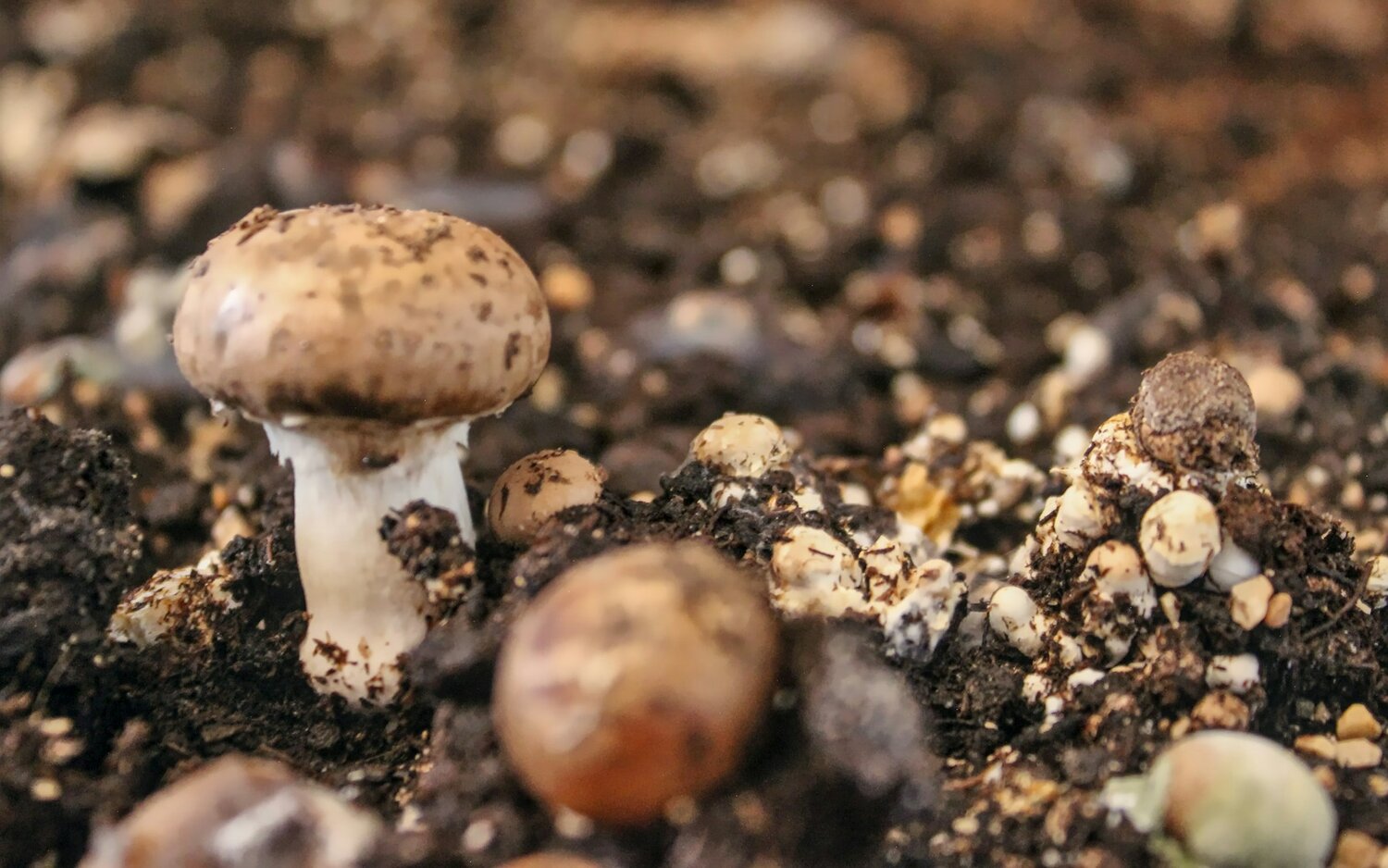
Syngenta and Groundwork BioAg are pairing fungal crop inputs with soil carbon programs. Farmers could gain soil benefits and fresh revenues from carbon credits.

The Ninth Circuit sent EPA's 2024 decaBDE rule back for rework, ruling the agency didn't justify skipping recycling, disposal, and wastewater limits.

NATO's new 5% GDP spending target could add millions of tonnes of emissions yearly, an SGR analysis finds, as the alliance's own climate targets stall.