


A new offshore drilling plan reopens California waters after decades. Businesses now face legal, economic, and environmental uncertainty across key sectors.

Twelve female waste pickers from Kenya are using theatre to share their role in plastic recovery—pushing for recognition during global plastics talks.

A federal court vacated Detroit’s ozone redesignation, restoring Moderate controls and raising new compliance considerations for 2026 infrastructure projects.

New Jersey’s PFAS bills tighten product bans while granting fire departments a one-year foam extension, reshaping compliance for municipalities and industry.

Washington approves the 160 MW Carriger Solar project, adding storage capacity as the state works to accelerate slow renewable-energy growth.

Environmental insurance is gaining attention as companies face rising operational risks and shifting regulations. Here’s how it strengthens risk strategy.

Texas A&M is turning engineered clay into a practical defense against PFAS, VOCs, and more. These tools aim to reduce exposure before it becomes a crisis.
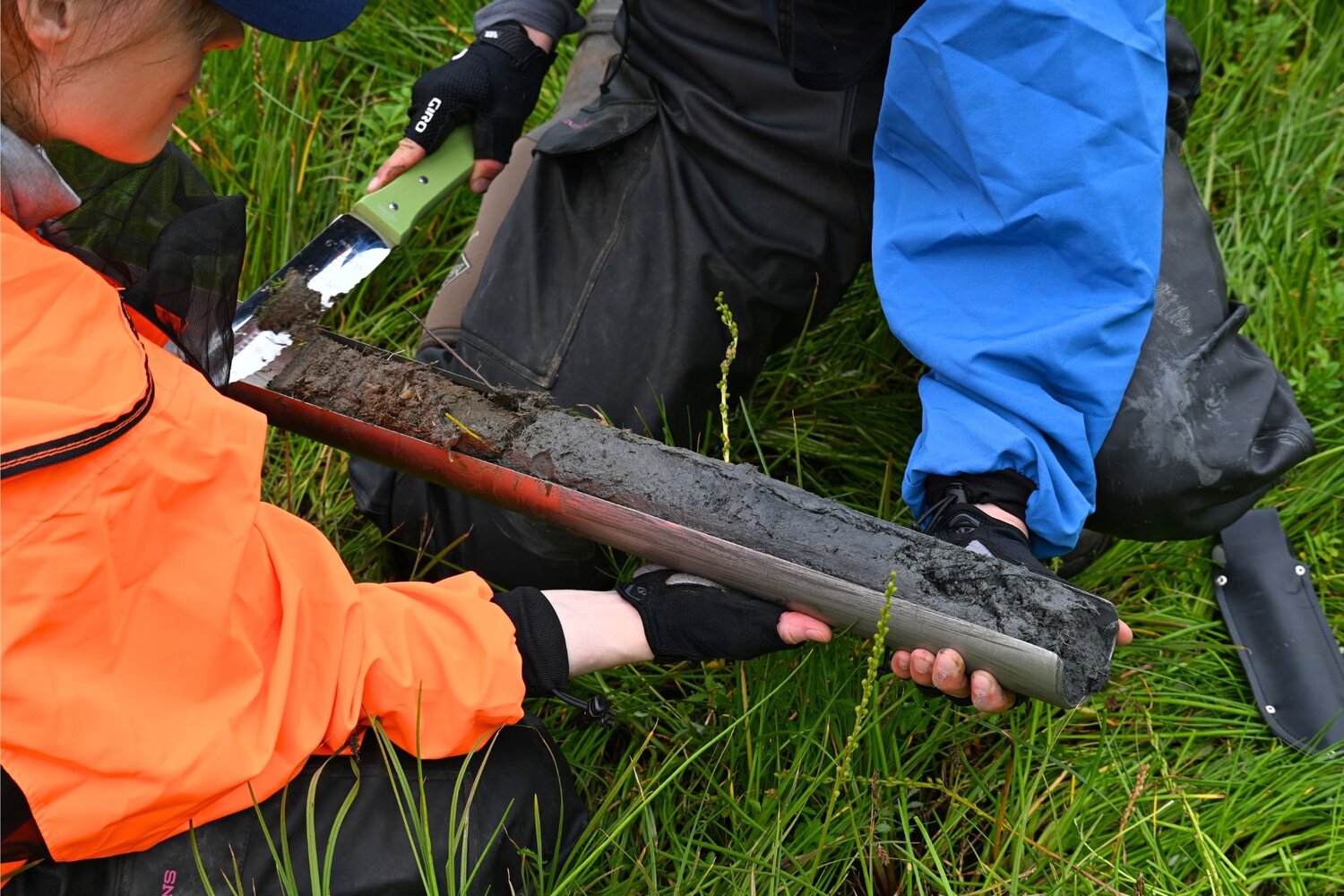
A new study finds common wetland carbon metrics may be overstating storage. The overlooked data gap could impact carbon credits and coastal restoration plans.

Circular Materials is partnering with Earth Rangers and EcoSchools Canada to expand recycling education and support Ontario’s transition to extended producer responsibility.

Octavia Carbon is using Kenya’s geothermal energy to power DAC tech. Precision sensors ensure each tonne of captured CO₂ is real, permanent, and verifiable.

EVOCA becomes the first EPA-approved protein biofungicide in the U.S. It offers a new mode of action to help growers fight resistance and reduce residues.

Released in November 2025, new maritime SMR research shows global nuclear and shipping agencies must build unified safety, liability, and port-access rules.

Revised climate-economy analysis finds that even after a full retraction and major corrections, low-emitting regions still face the highest economic losses.
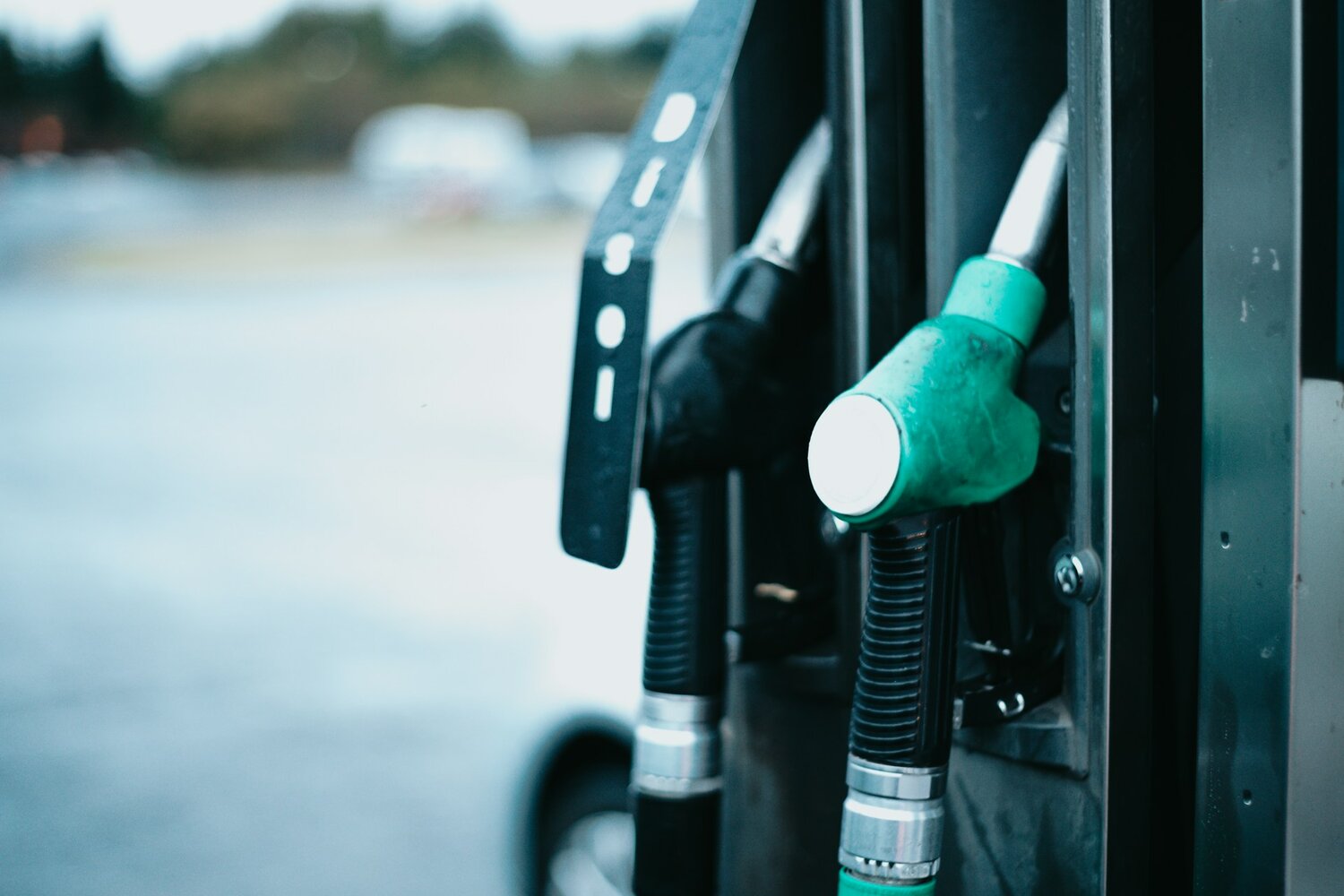
Massport has signed a major deal with Broco Energy to supply renewable diesel across its operations. The move signals a broader shift in regional fuel strategy.

BD and ChemoGLO expand hazardous drug testing with dual-method monitoring that strengthens compliance, worker safety, and environmental contamination control.

Methanol is ready to power low-emission shipping, but high costs and tight supply are slowing its rise. Regulatory clarity will be key to scaling adoption.

New research identifies Dolichospermum as Lake Erie’s saxitoxin producer, raising climate-linked concerns as warming waters reshape harmful algal bloom dynamics.

The AI in environmental sustainability market will reach $53.9B by 2031, driven by regulation, corporate climate targets, and advances in machine learning and IoT.

Chesapeake Bay states approved a revised watershed agreement setting 2040 pollution-reduction and habitat goals to protect jobs, ecosystems, and coastal communities.

The federal mining agency has repealed 14 obsolete coal rules, aiming to simplify oversight. Core environmental protections under SMCRA remain fully in place.