


A new lawsuit challenges federal oil and gas leasing near national parks, focusing on climate and air quality analysis under NEPA and raising potential timeline risk for energy operators.

Energy constraints, shifting compliance timelines, and supplier volatility are interacting in ways many executive models fail to capture.

Diverging global compliance regimes are forcing executive teams to rethink internal controls, governance architecture, and capital risk exposure.

Controlled fire whirls may change how offshore spills are tackled. Tests show faster burns, less soot and up to 95% fuel removal.

From 3M’s $12.5B PFAS settlement to expanding climate litigation, environmental lawsuits are widening reserve uncertainty and distorting mid-year forecasting across sectors.

Air pollution ignores borders, reshaping health and economic risk. Coordinated climate action could save 1.32 million lives a year by 2040.

New UNEP findings show 2.3–2.5°C warming projections and a $365B annual adaptation funding gap, reinforcing climate exposure as a structural capital risk variable.

DC Water expands bypass operations following the Potomac Interceptor collapse as public and environmental groups call for transparency and long-term infrastructure investment.

Carbon rules, PFAS litigation, and insurance repricing are pushing environmental exposure into supplier contracts, forcing procurement teams to rethink risk allocation and cost stability.

In 2026, disclosure rules, PFAS liabilities, and insurance repricing are shifting from ESG considerations to earnings variables—forcing finance teams to rethink reserves, guidance, and risk controls.

AI clusters are scaling faster than utilities can respond. TurboCell aims to deliver fast, modular power that adapts as grid connections catch up.

The EPA’s action does not eliminate environmental risk. It changes who prices it — and how quickly.

As federal PFAS standards enter implementation and Superfund liability expands, litigation exposure is broadening beyond manufacturers.

Under new EPR rules, coated paper packaging can cost more than plastic. A flawed recyclability definition may be sending brands the wrong signals.

A new method links satellite imagery to microplastic levels in the sea. It could give industries and regulators scalable, low-cost pollution tracking tools.
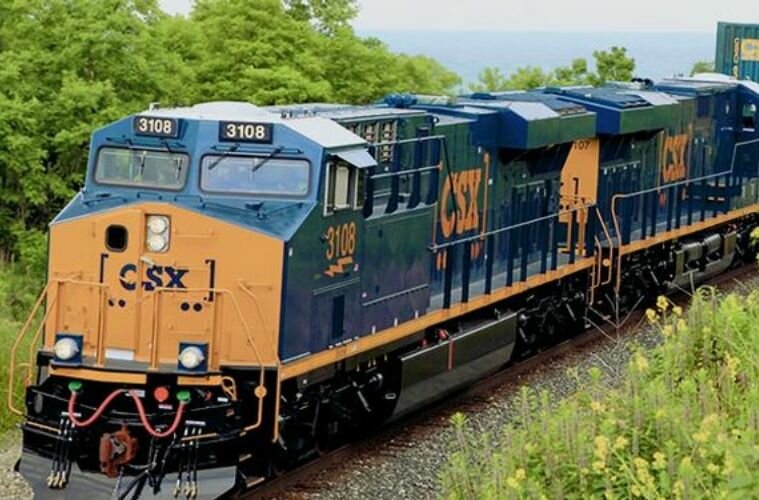
The $670M deal will upgrade locomotives with AC traction and digital systems to improve reliability, fuel efficiency, and rail network performance.

Infrastructure systems face growing stress as recovery, redundancy, and execution demands exceed investment frameworks.

A new hydrogen sensor improves accuracy in high humidity by using water vapor in its detection process. It’s a practical step forward for hydrogen safety.

Water utilities face a wave of retirements and rising tech demands. A free online program is building a new talent pipeline for essential water careers.

Facilities teams are being pushed to meet modern performance demands with infrastructure designed for a different era.