
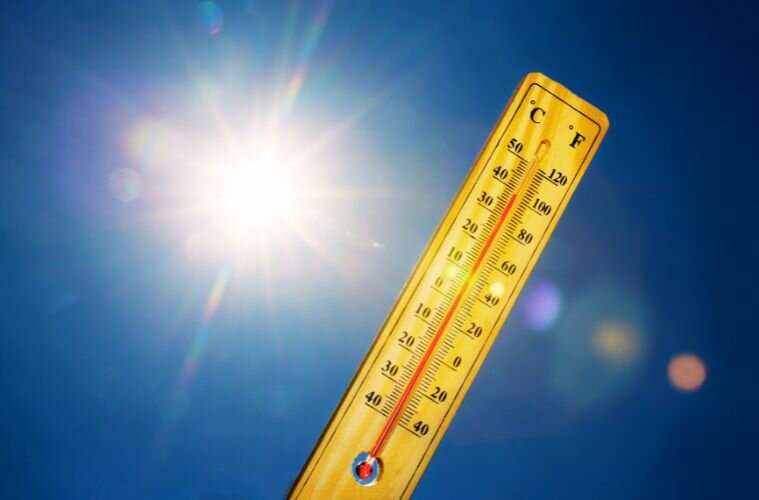
PJM has issued multiple grid reliability alerts as extreme heat pushes electricity demand toward a potential summer record across the Mid-Atlantic.

DuPont’s spinoff of Chemours shifted PFAS-related liabilities—but evolving science and stricter regulations revealed the limits of a clean break.

Satellites are spotting major methane plumes across the Appalachian Basin. New data suggests high-volume releases may be more common than previously recorded.

Companies are rethinking infrastructure modernization for 2026 as PJM faces rising demand and volatility, prompting new strategies for reliability and flexibility planning.

Chesapeake Bay states approved a revised watershed agreement setting 2040 pollution-reduction and habitat goals to protect jobs, ecosystems, and coastal communities.

New Jersey’s Energy Security and Affordability Act would support advanced nuclear, 500 MW of storage, and 500 MW of demand cuts to stabilize PJM-era power costs.

Federal court orders Chemours to stop Ohio River PFAS discharges exceeding permit limits, citing public health and Clean Water Act violations.

Electricity sales are rising 2.2% annually through 2026, led by surging demand from data centers and industry in Texas and the mid-Atlantic, EIA reports.

A $725M federal push will clean up abandoned coal mines nationwide. It’s a huge chance for contractors, engineers, and green developers.

Agilitas Energy just added 44 MW of hydropower to its portfolio. It’s a major step toward more stable, around-the-clock clean energy.

Microsoft’s latest climate deal targets 4.8M forest carbon credits. Projects start in 2025, using tech to verify real, lasting impact.

From Germany to Canada, Vestas accelerates deployment of high-capacity wind turbines with record-breaking orders worldwide.

Private equity firms are accelerating acquisitions of mobile home parks—but at what cost? From contaminated water to poor waste management, residents are facing serious environmental health risks as infrastructure fails under profit-driven ownership.

The SBA is offering low-interest disaster loans to small businesses and nonprofits in Colorado and other drought-affected states. Learn how these loans can support economic recovery.
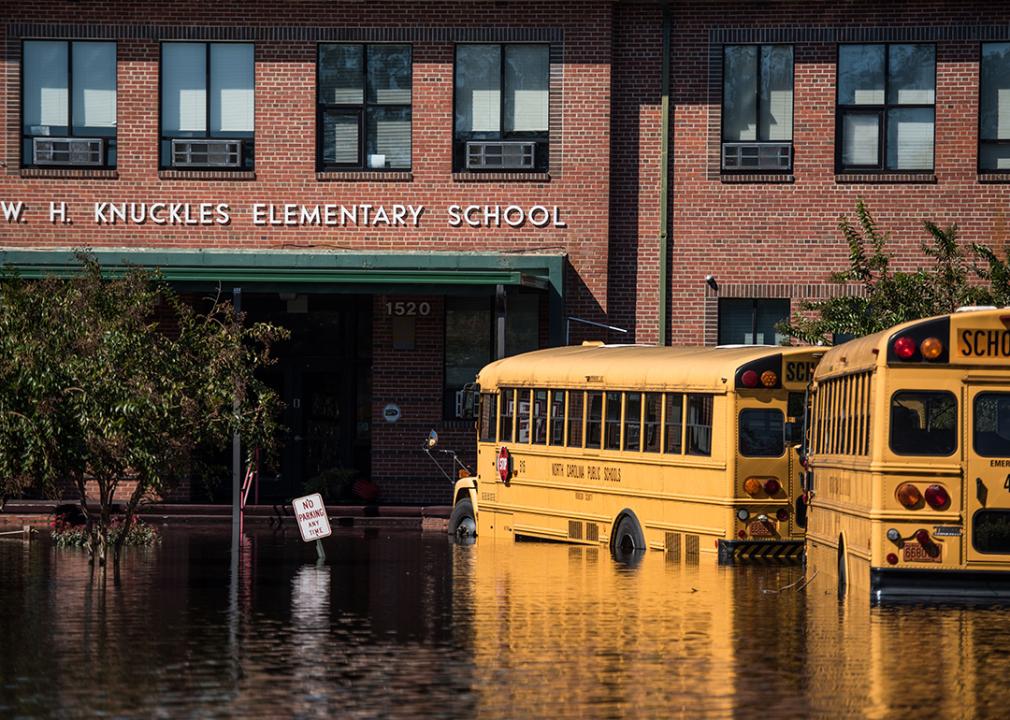
Grist explains the serious feelings students have about climate change and that most teachers don't know how to help.

In the wake of recent natural disasters, state leaders across the country are finding that emergency support from the federal government is no longer a given.
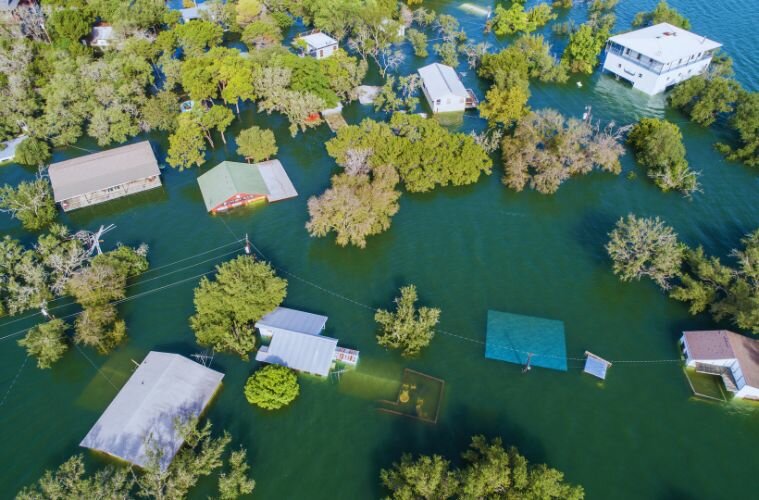
The early onset and concentration of severe weather systems in March 2025 are unusual, raising concerns about future flood risk management and climate resilience strategies.

With carbon capture technology emerging as a key component of U.S. energy and environmental policy, the EPA has granted West Virginia the authority to regulate Class VI wells for carbon sequestration.
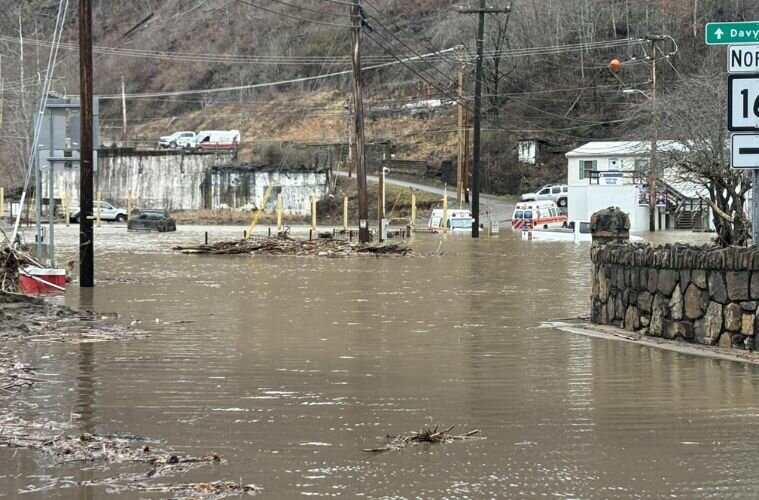
Floodwaters surge across West Virginia, forcing evacuations and emergency declarations in multiple counties.

States, consumers, and corporations clash in 2025’s growing wave of PFAS lawsuits over contamination and public health hazards.