
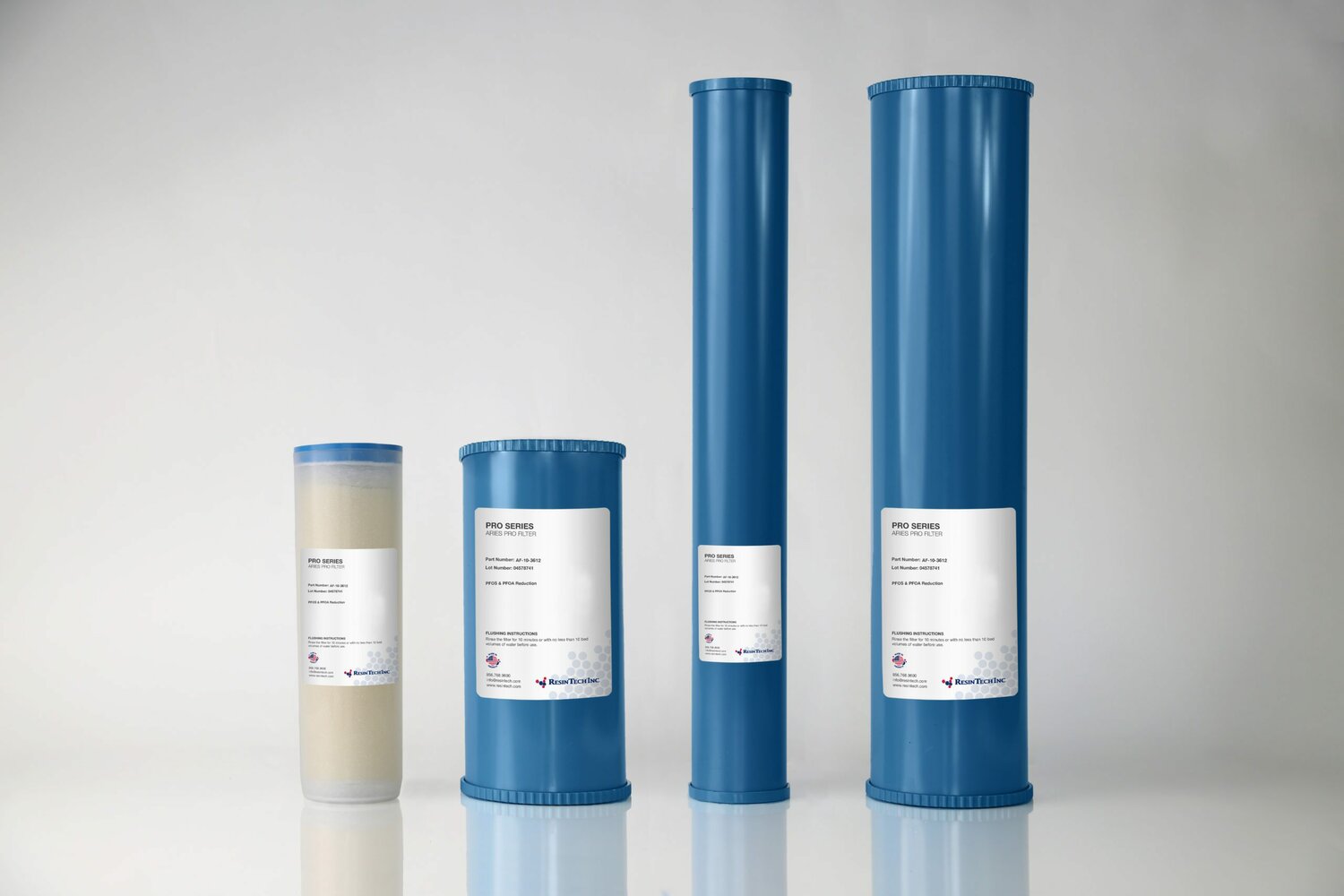
ResinTech is investing $10M to expand its Camden facility, increasing domestic ion exchange resin production by 30% and improving logistics.

Senate Bill 732 introduces one of the most aggressive regulatory measures in the nation aimed at PFOS and PFOA concentrations in biosolids.

Hydro commits $154M to boost low-carbon aluminium output in Norway, supporting Europe’s critical power grid and renewable energy infrastructure.
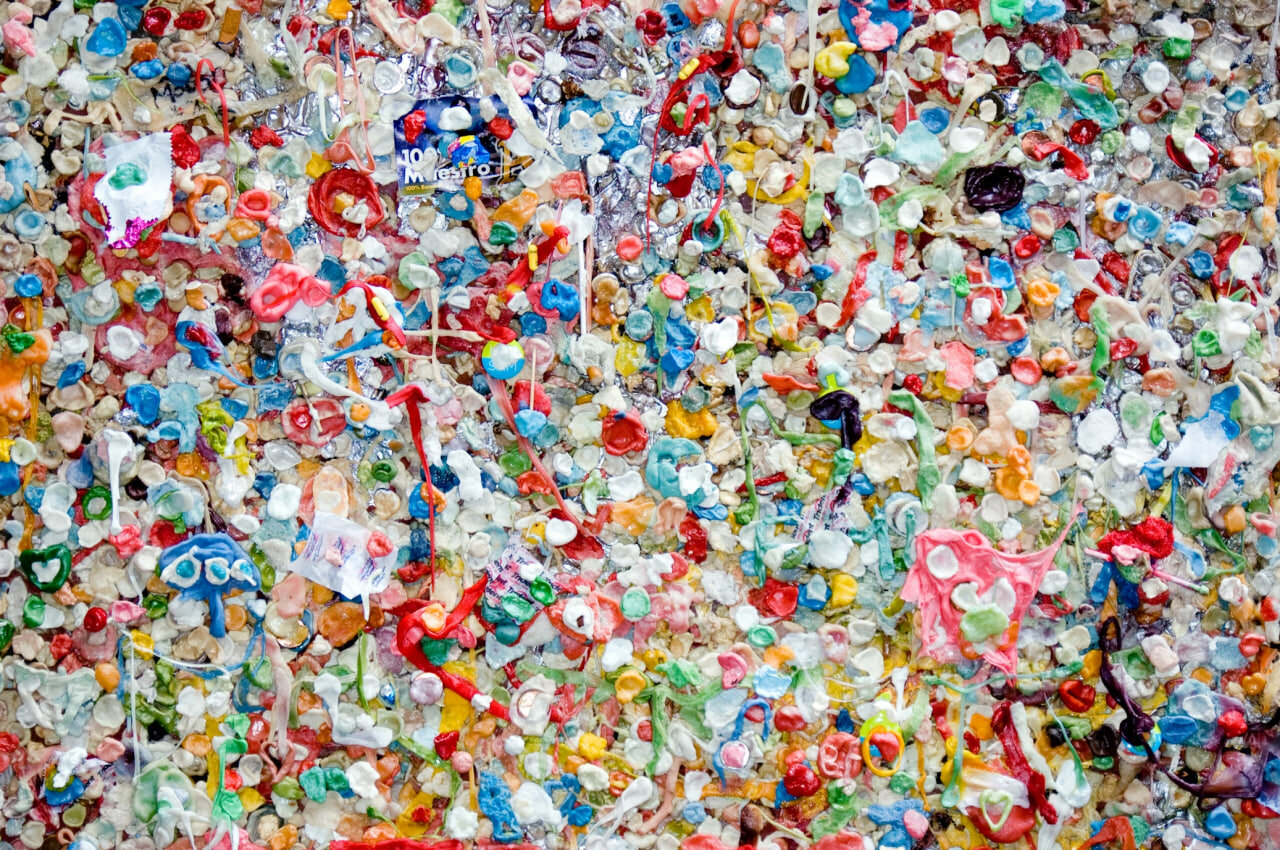
Recent study finds that microplastics enable bacteria to develop stronger antibiotic resistance, highlighting substantial risks for healthcare.
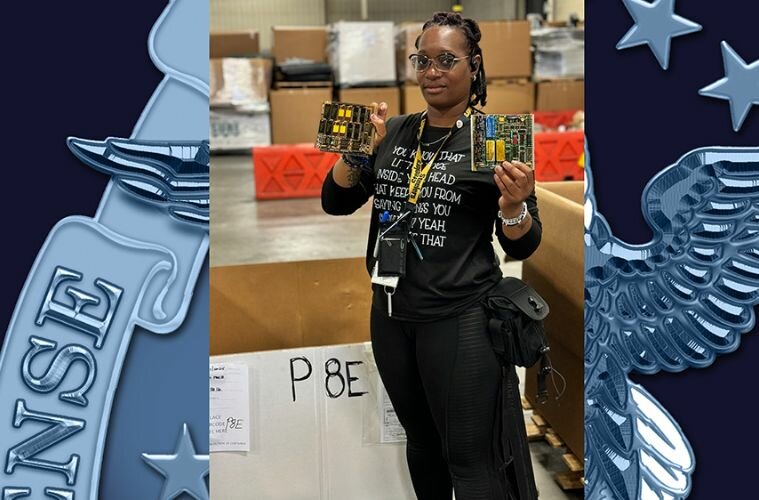
The Defense Logistics Agency’s metals recovery program cuts costs and boosts sustainability by recapturing silver and other critical materials for reuse.
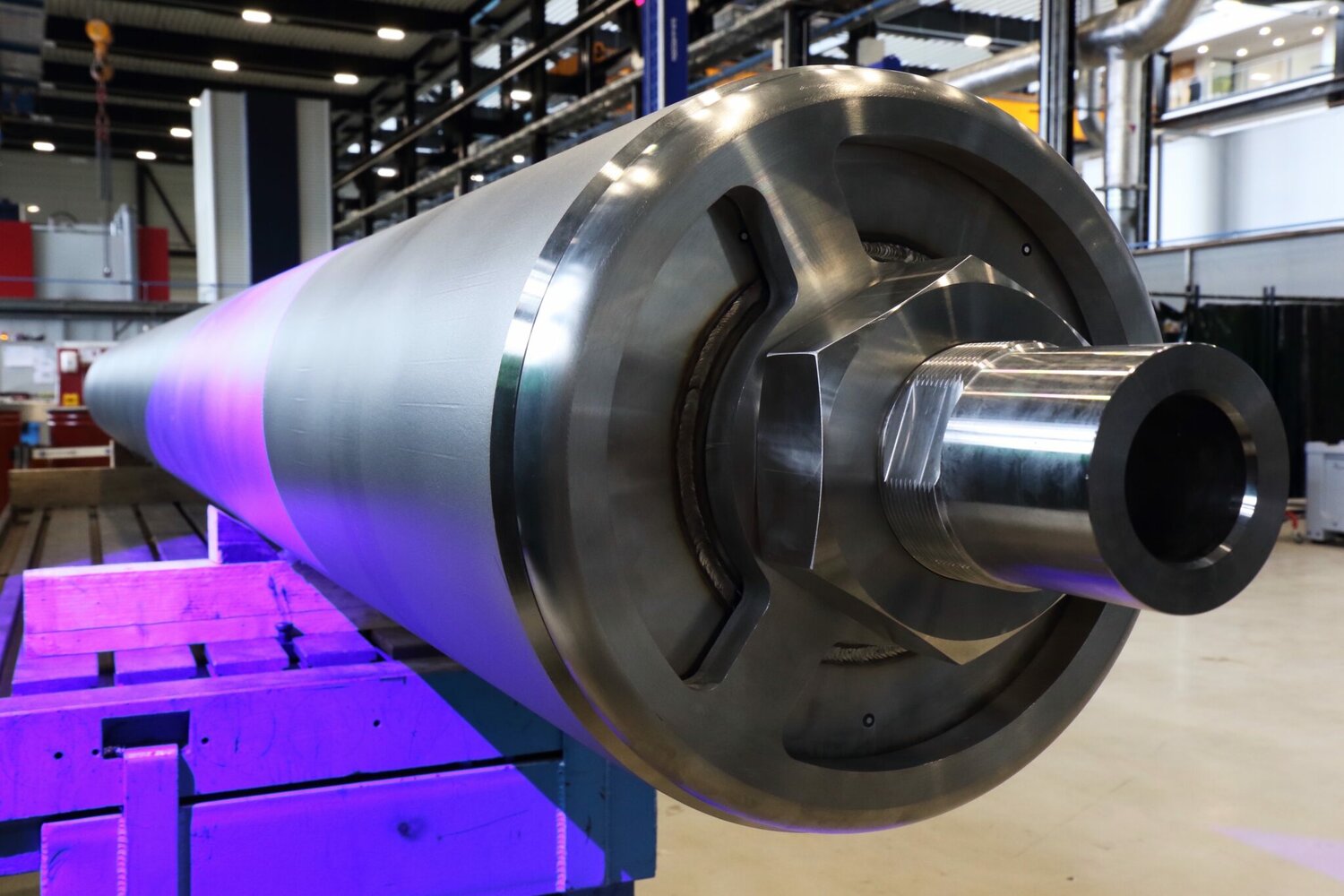
A UK-backed project has validated deep borehole disposal for nuclear waste, improving safety, scalability, and manufacturability.
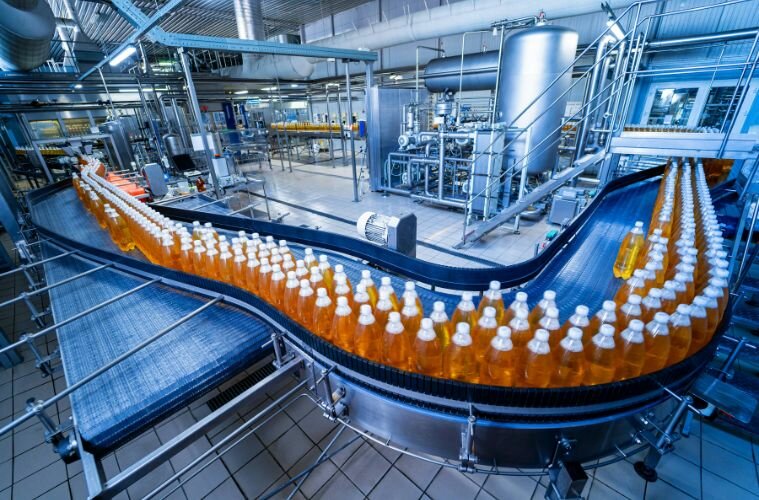
Companies operating in New York must prepare for new compliance frameworks, fee structures, and material sourcing requirements aimed at reducing waste and safeguarding public health.

With $78.7B in storm damage, Helene highlights the need for green infrastructure, grid upgrades, and climate-resilient rebuilding.

In a troubling reversal of circular economy efforts, plastic waste exports from the EU grew by 36% in 2024 compared to 2022.

UK consumer concern over PFAS chemicals is rising, with strong support for stricter regulations. Businesses must adapt to meet shifting demands.
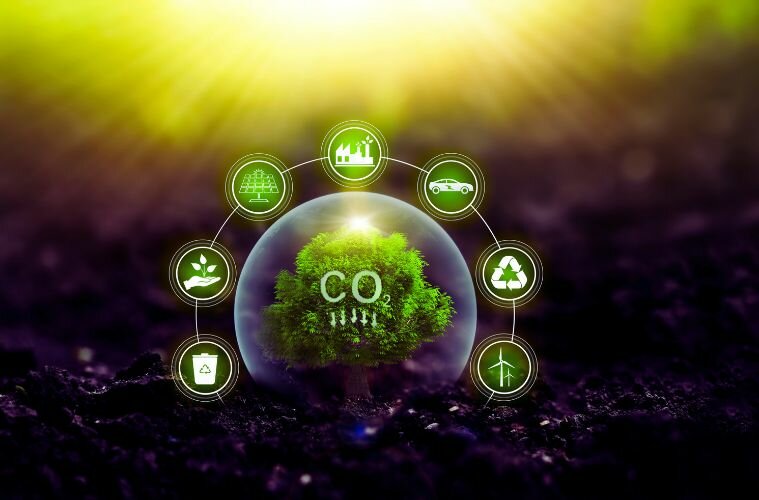
SBTi’s Version 2.0 draft shifts corporate climate strategy from promises to progress, with stricter targets and enhanced validation.

In response to rising flood risks and aging infrastructure, Detroit is expanding its Private Sewer Repair Program (PSRP) to address flood resilience across nearly 100 neighborhoods.

Reasons to be Cheerful reports on river Seine, the storied French waterway that was once nearly biologically dead but is not teeming with marine life once again.

A global study finds microplastics reduce photosynthesis, cutting food production by millions of metric tons annually, threatening security.

As PFAS bans accelerate, fire departments and municipalities need safer alternatives. SoyFoam delivers cost-effective, PFAS-free fire suppression at scale.
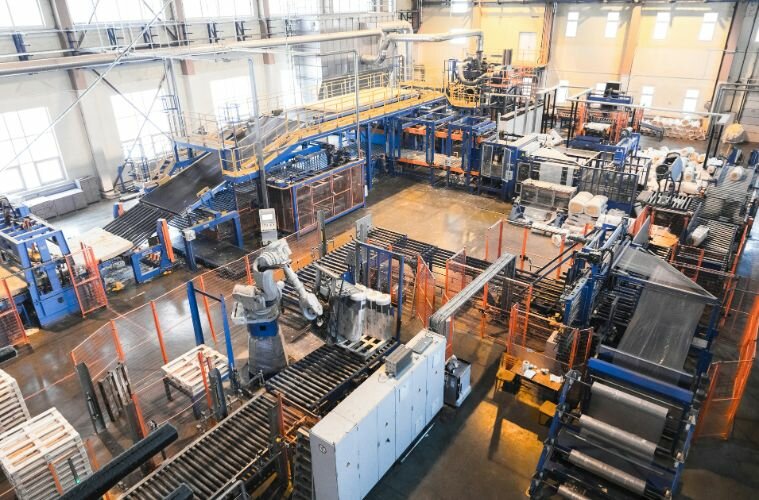
EA’s 10% waste crime levy faces backlash as recycling firms claim it punishes law-abiding businesses while failing to crack down on waste criminals.

This collaboration aims to leverage Uponor’s expertise to further the Twins’ long-standing commitment to environmental stewardship.

Illinois State’s sustainability efforts earn STARS Silver, showcasing improvements in waste reduction, infrastructure, and sustainability education.
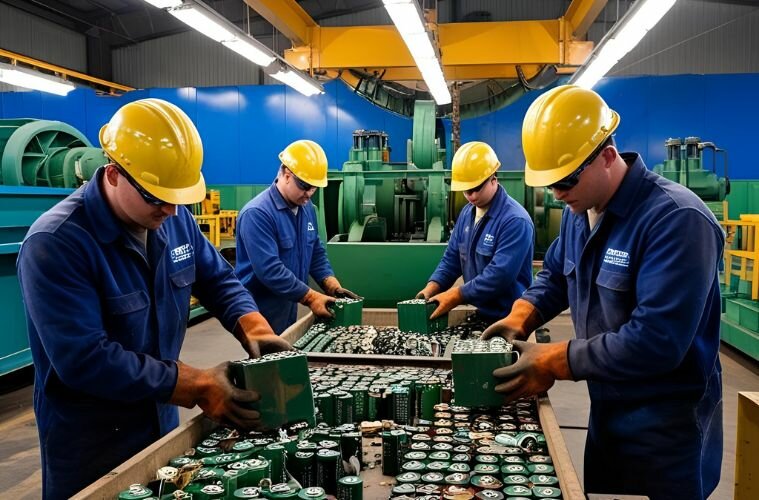
Lead batteries are driving a $35B U.S. economy, powering telecom, grid storage & EVs—all with a 99% recycling rate.
Struggling with waste logistics? Reworld's eBook outlines how to streamline industrial waste transport and meet sustainability targets. Download now.