

A graphene oxide coating could replace toxic PFAS in food packaging. It’s strong, safe, and ready for real-world use across industries.
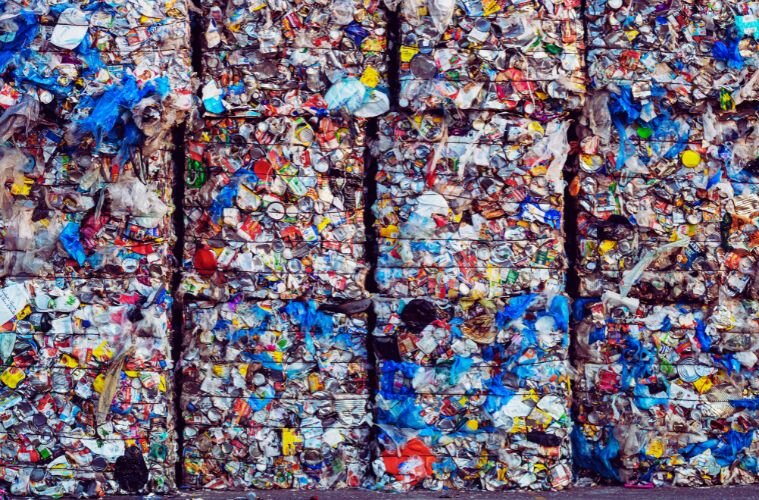
Plastyx Ltd. secures 75% of its 2025 plastic waste goal, advancing advanced recycling with Agilyx ASA to ensure high-quality feedstock for packaging.

Ball Corporation and Açaí Motion launch ASI-certified cans, advancing ESG accountability and sustainable packaging in the global beverage industry.

How is ASICS integrating sustainability, innovation, and stakeholder engagement to drive long-term corporate growth?

Environmental concerns and outdated zoning challenge waterfront development in Hudson, New York, prompting calls for stronger industrial oversight.

Traditional wine sleeves block recycling. A new removable cap system could finally separate glass and aluminum the way sorting systems need.

Illinois embraces values-driven food procurement, advancing sustainability, fair labor, and local sourcing in state-funded facilities through new policy reforms.
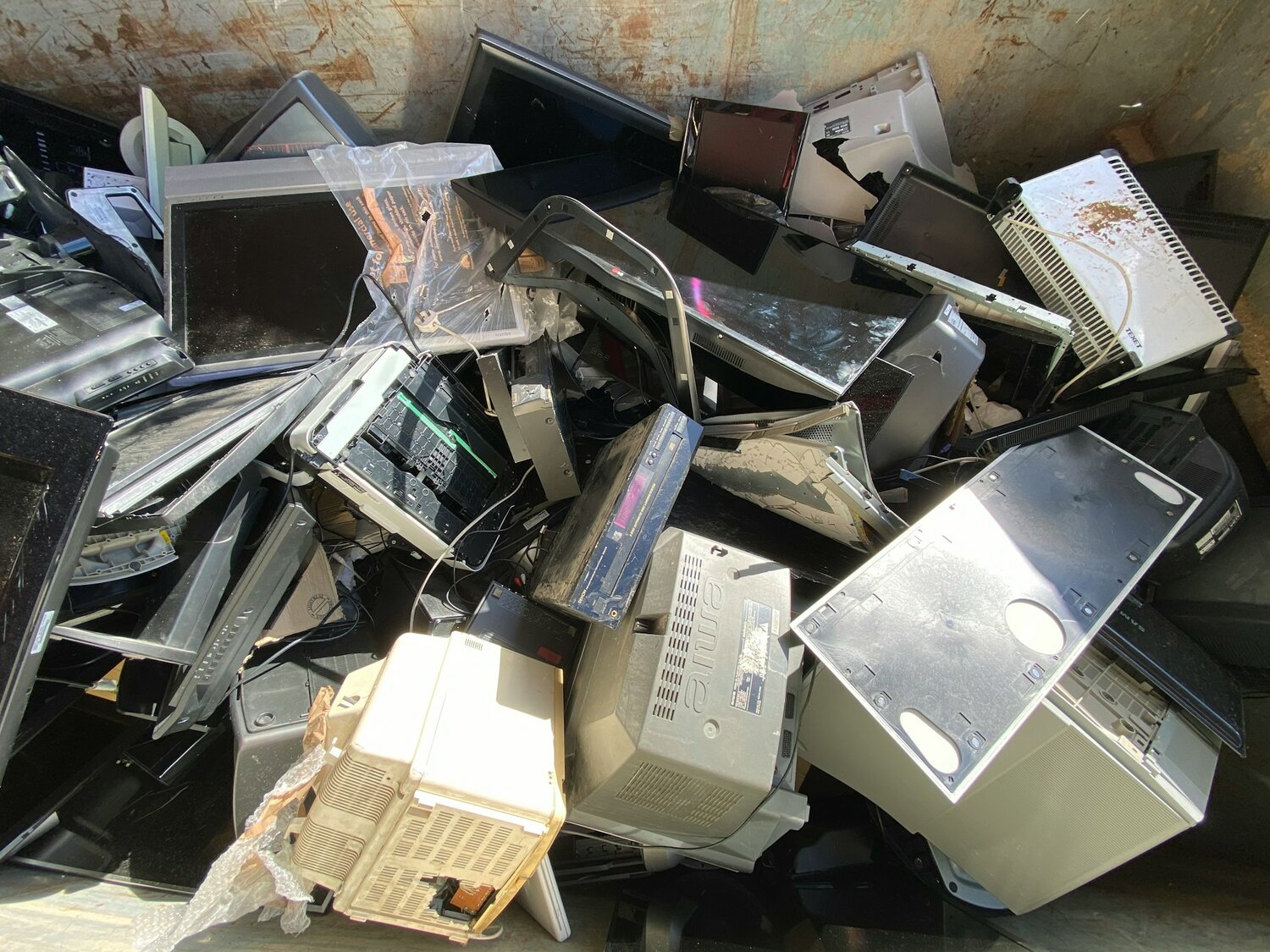
U.S. scientists are turning e-waste into a local source of rare earths. The tech uses less energy and fits into existing systems.

With climate disasters rising, North Carolina’s new law invests $1B in infrastructure and recovery. Can it create a scalable model for resilience?
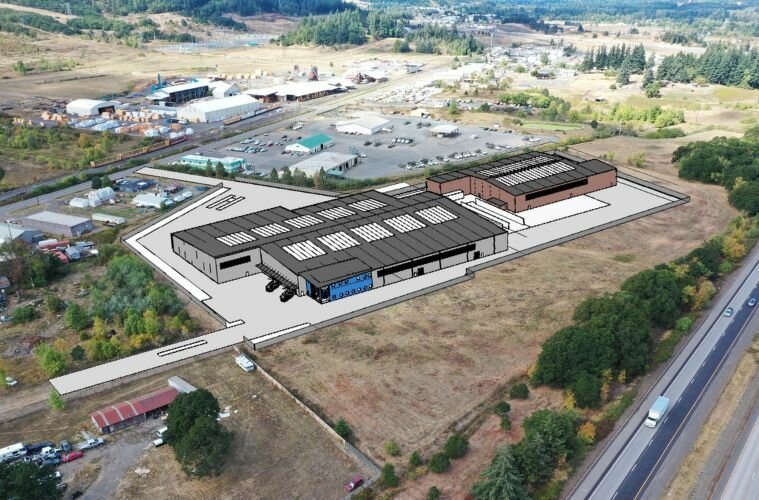
Oregon lawmakers consider a bill to support Lane County’s CleanLane project, a proposed recycling and methane extraction facility designed to extend landfill life and reduce emissions.

Microplastics are turning up in Brazil's off-limits ocean zones. Protected status isn't enough to block pollution carried by wind and sea.
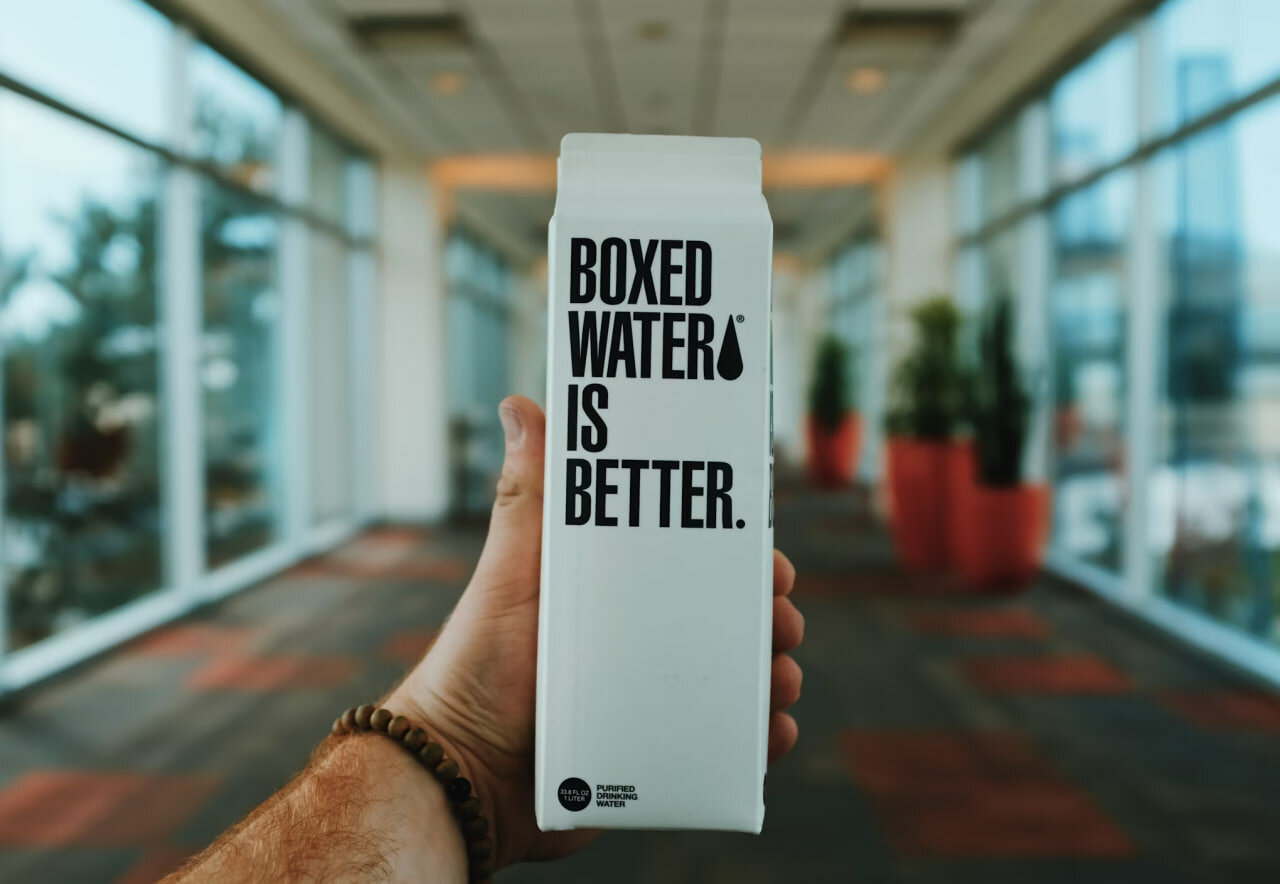
Plant-based PEF meets fiber bottle tech in a bid to cut plastic use. The Bottle Collective’s latest partner is aiming for scale and speed.

Project PUCK confirms Deep Isolation’s Universal Canister System as a scalable, cost-effective solution for TRISO nuclear waste from Kairos Power’s advanced reactor.
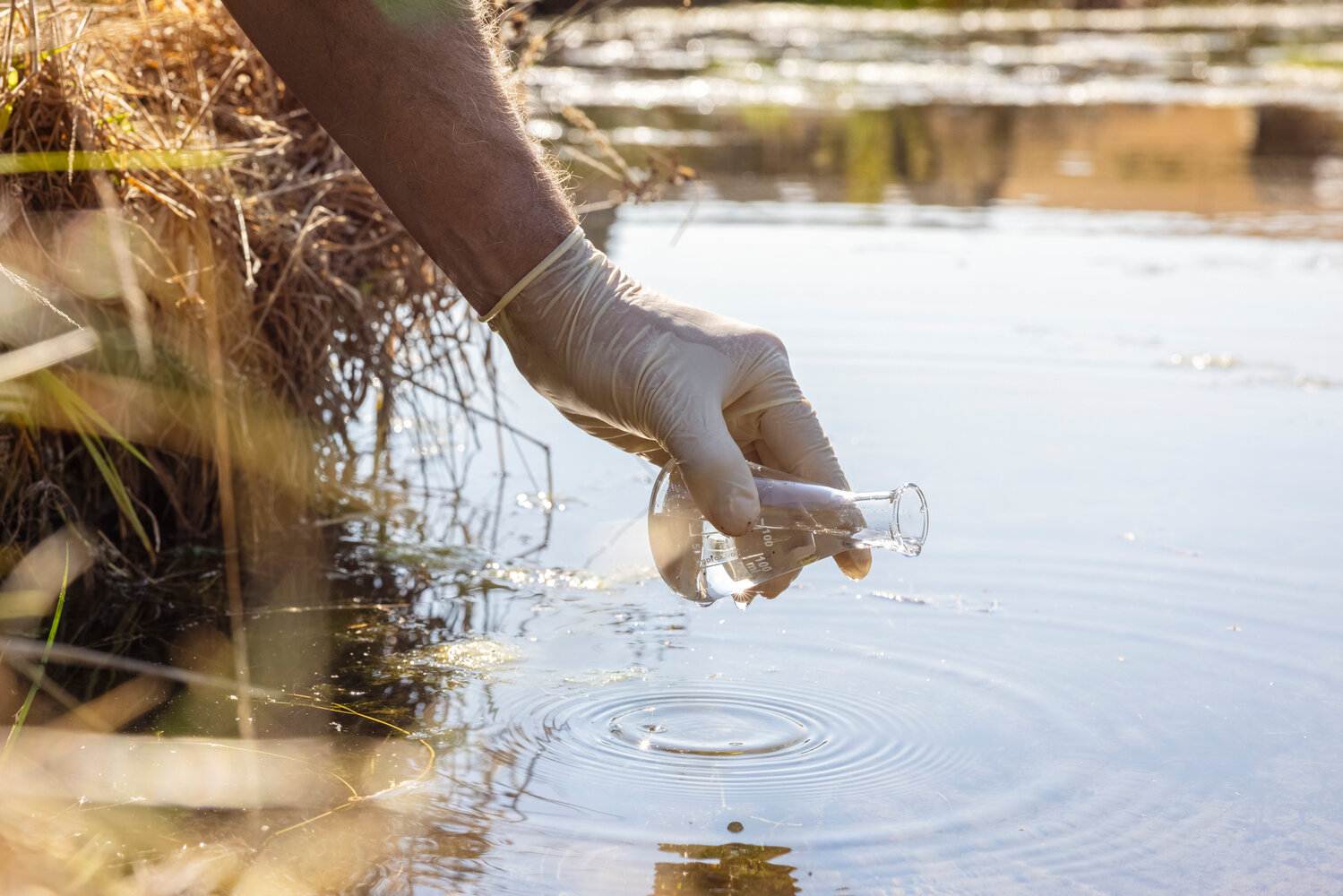
Antibiotics from human use are polluting rivers worldwide, raising health risks and forcing industry to rethink water management.

Texas bay sediments hold surprisingly few microplastics. But that means more are drifting into the Gulf, where long-term risks stack up.
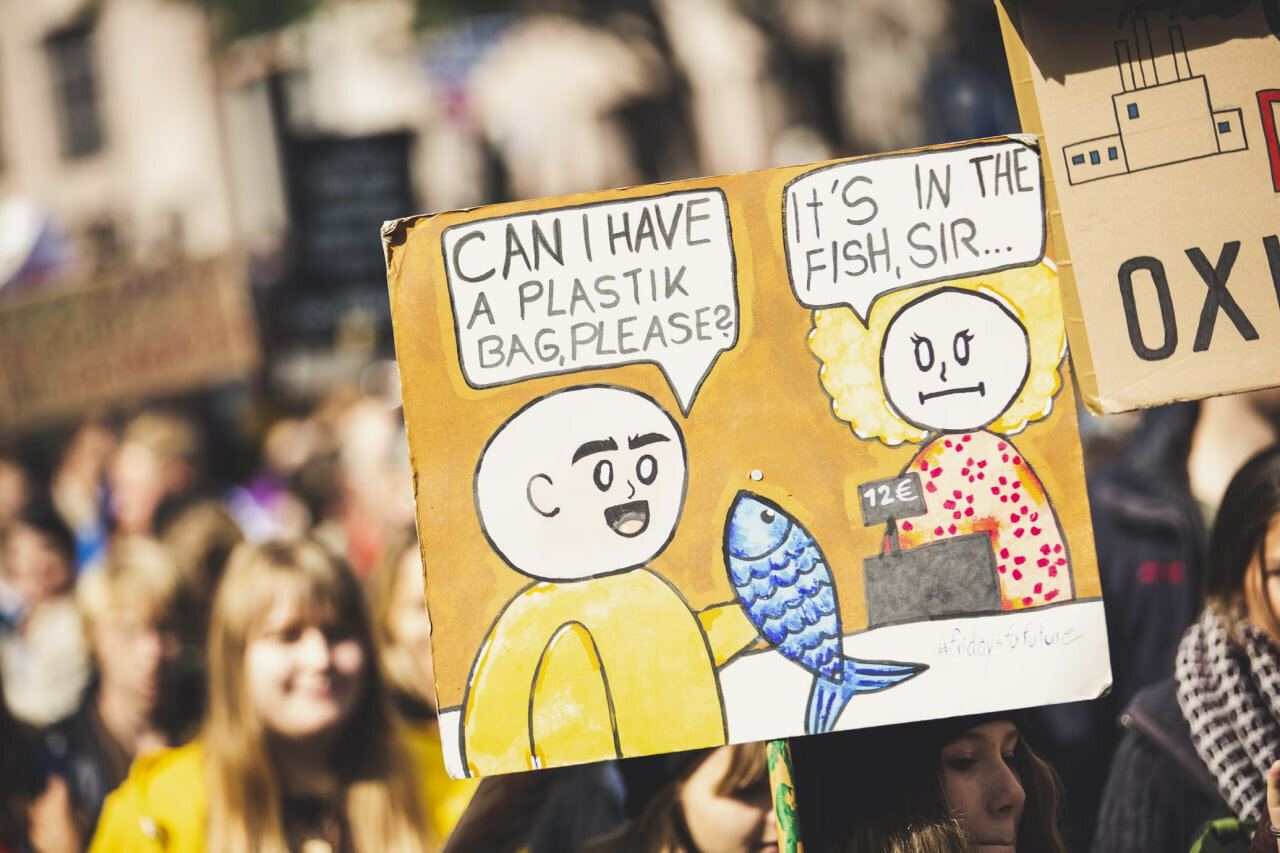
Synthetic chemicals in food are linked to serious health risks. Businesses that don’t adapt may face consumer backlash and new regulations.
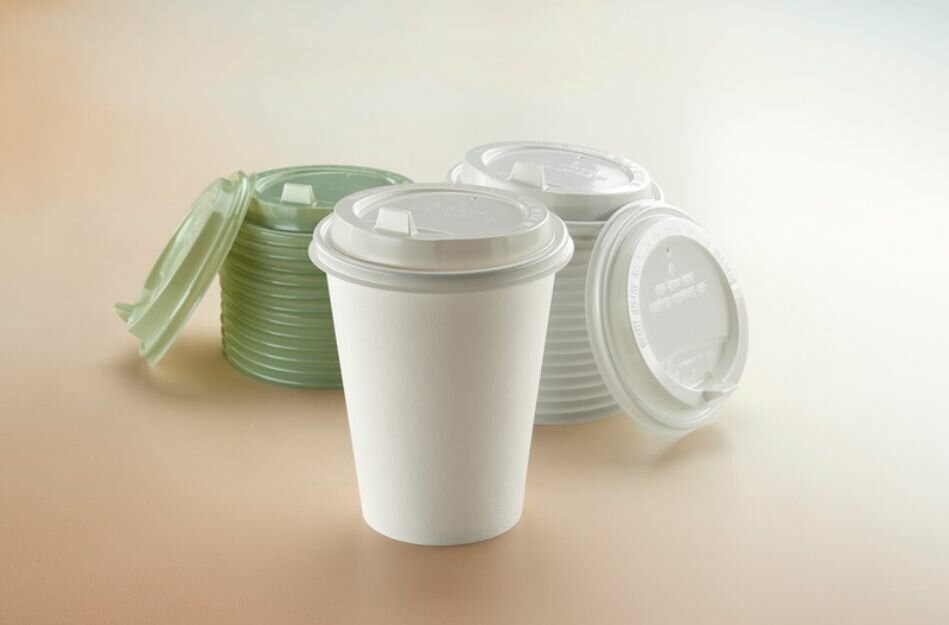
Faerch introduces an rPET hot drinking lid designed to enhance sustainability in the coffee industry, supporting circular packaging and evolving regulations.

Delaware’s Senate Bill 72 requires public drinking water systems to report PFAS levels and mandates consumer notifications when contamination exceeds legal thresholds—advancing water safety protections ahead of federal timelines.
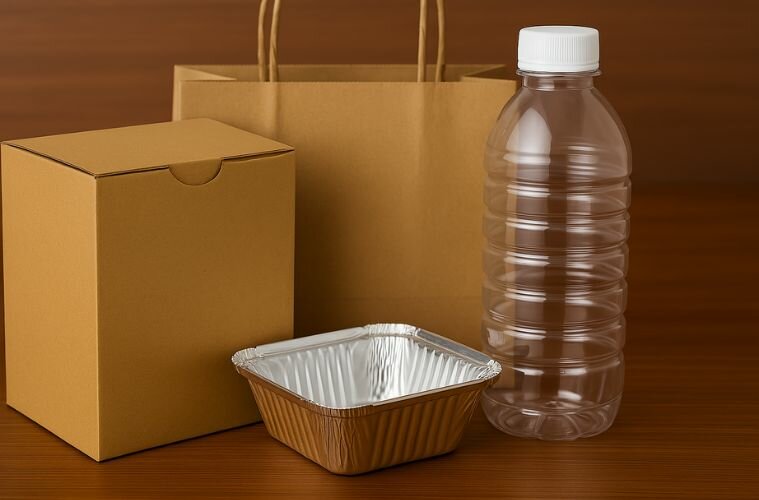
Maryland Governor Wes Moore signs SB 901 into law, making Maryland the sixth U.S. state to adopt Packaging Extended Producer Responsibility (EPR). The law aims to modernize recycling systems and support a circular economy.

Low-grade copper ores could finally pay off. A biotech twist on extraction is speeding up recovery—and cutting the need for harsh chemicals.