

As industrial decarbonization accelerates, a new wave of compact, low-energy carbon capture systems like Nuada’s is reshaping the future of emissions reduction across cement, waste-to-energy, and biomass sectors.

Eco Love, a U.S.-based lifestyle brand, is bringing sustainable household essentials made from bamboo, glass, and stainless steel to market, offering a scalable model for toxin-free, circular design in consumer goods.

The Appalachian Trail Conservancy has launched a $50 million Centennial Campaign to boost climate resilience, conservation, access, and visitor experience along the 2,190-mile trail from Georgia to Maine.

Zalando’s 2025 report shows over 70% of consumers want to shop sustainably, but high prices and low trust keep them from acting on their values.
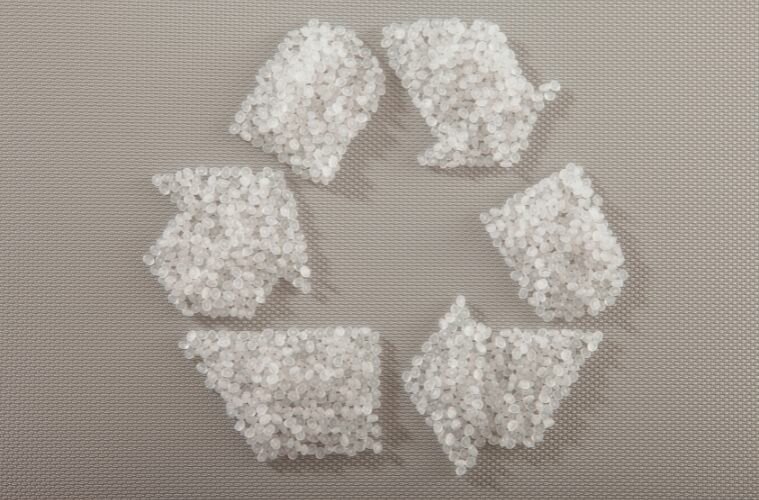
PureCycle aims to install 1B pounds of polypropylene recycling capacity by 2030, backed by new capital and global infrastructure partnerships.

Silent toilet leaks are driving up hotel water bills. Smarter leak detection tech is helping operators cut waste and improve operational efficiency.

Hawaii will fund a three-year pilot program to test innovative wastewater systems aimed at replacing over 80,000 polluting cesspools impacting water and coral reefs.
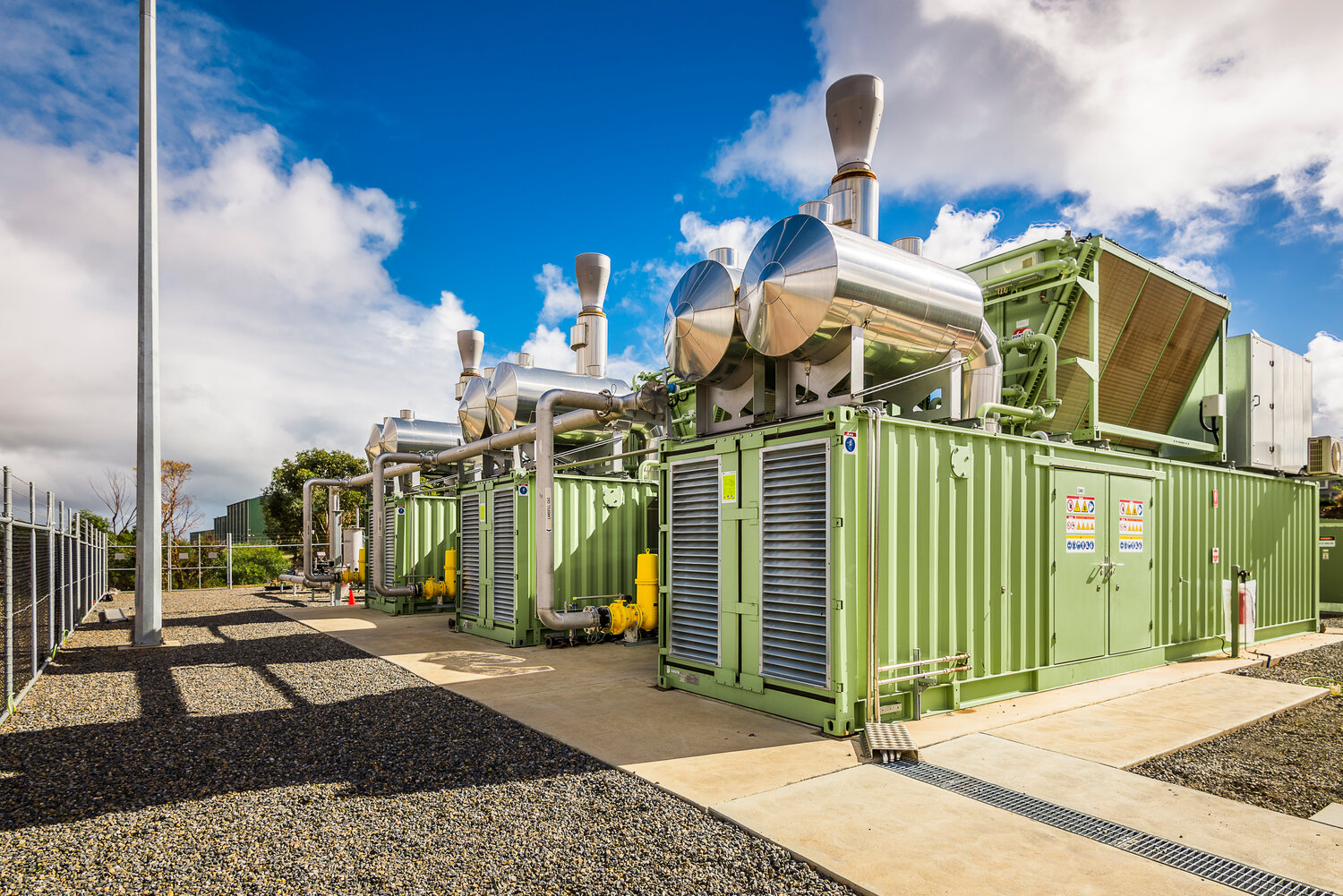
Biogas is booming, but profitability hinges on process optimization. Operators are finding new revenue streams in heat recovery and digestate.

EPA awarded $267M in Brownfields Grants in May 2025, advancing redevelopment and economic growth as stakeholders prepare for the August training conference.

The Chesapeake Bay scored a C in 2025, down 5 points. Long-term trends show improvement, but climate extremes and equity gaps pose new challenges.

2025 marks a pivotal year for SAF as global demand spikes, HEFA feedstock strains grow, and mandates demand diversified, scalable fuel pathways.

David Fotouhi’s Senate-confirmed role as EPA Deputy Administrator is under scrutiny due to past industry ties, raising questions about future environmental regulation.

Dover Chemical’s latest sustainability report shows strong product innovation and waste reduction but reveals setbacks in emissions and workplace safety.

Rhode Island Senate approves landmark textile waste recycling bill to increase public awareness and enforce industry reporting.

Hydrogen is rolling into California’s freight rail network. A new project will retrofit diesel locomotives with fuel cells to cut emissions.
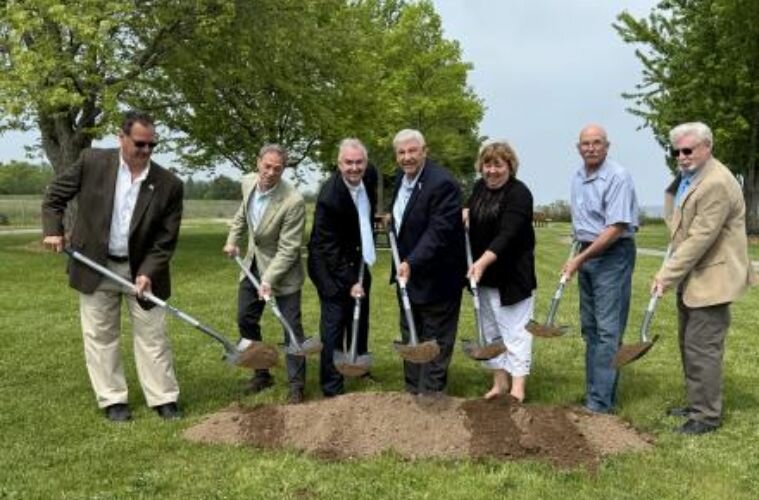
New York invests $13M to protect Lake Ontario, enhance flood resilience, and modernize public sanitation.

Liquid metal-vitrimer composites offer a groundbreaking solution for e-waste reduction, creating recyclable, self-healing electronics with high conductivity and durability.

Despite the growing body of scientific evidence, the report reveals significant voids in our understanding.
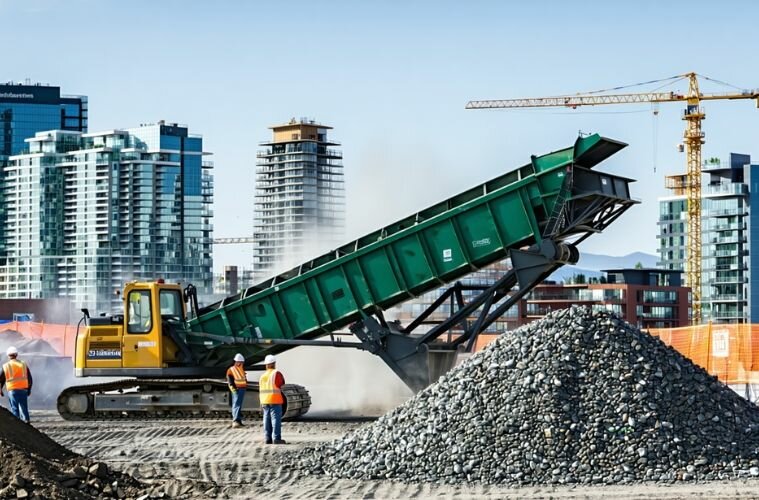
As cities and developers increasingly prioritize sustainable building practices, recycled concrete is becoming a more widely adopted component of infrastructure projects.

Smart recycling machines are popping up across the UAE. The tech-backed rollout rewards users and supports national sustainability goals.