
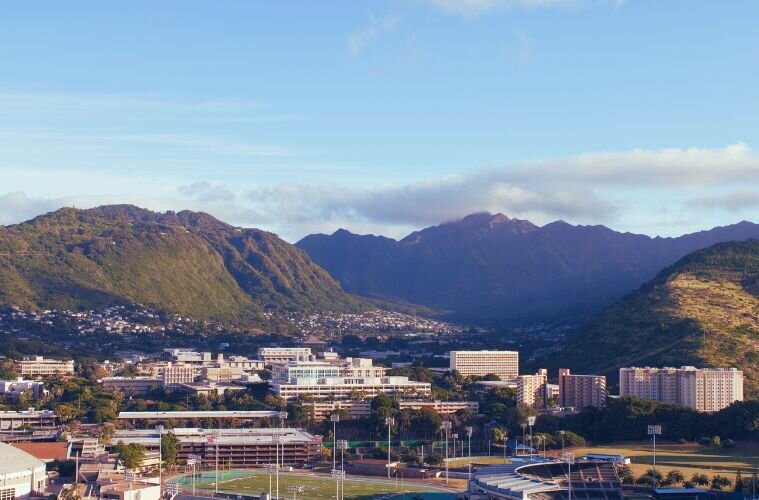
Hawaii will fund a three-year pilot program to test innovative wastewater systems aimed at replacing over 80,000 polluting cesspools impacting water and coral reefs.

The Chesapeake Bay scored a C in 2025, down 5 points. Long-term trends show improvement, but climate extremes and equity gaps pose new challenges.

Liquid metal-vitrimer composites offer a groundbreaking solution for e-waste reduction, creating recyclable, self-healing electronics with high conductivity and durability.

A graphene oxide coating could replace toxic PFAS in food packaging. It’s strong, safe, and ready for real-world use across industries.
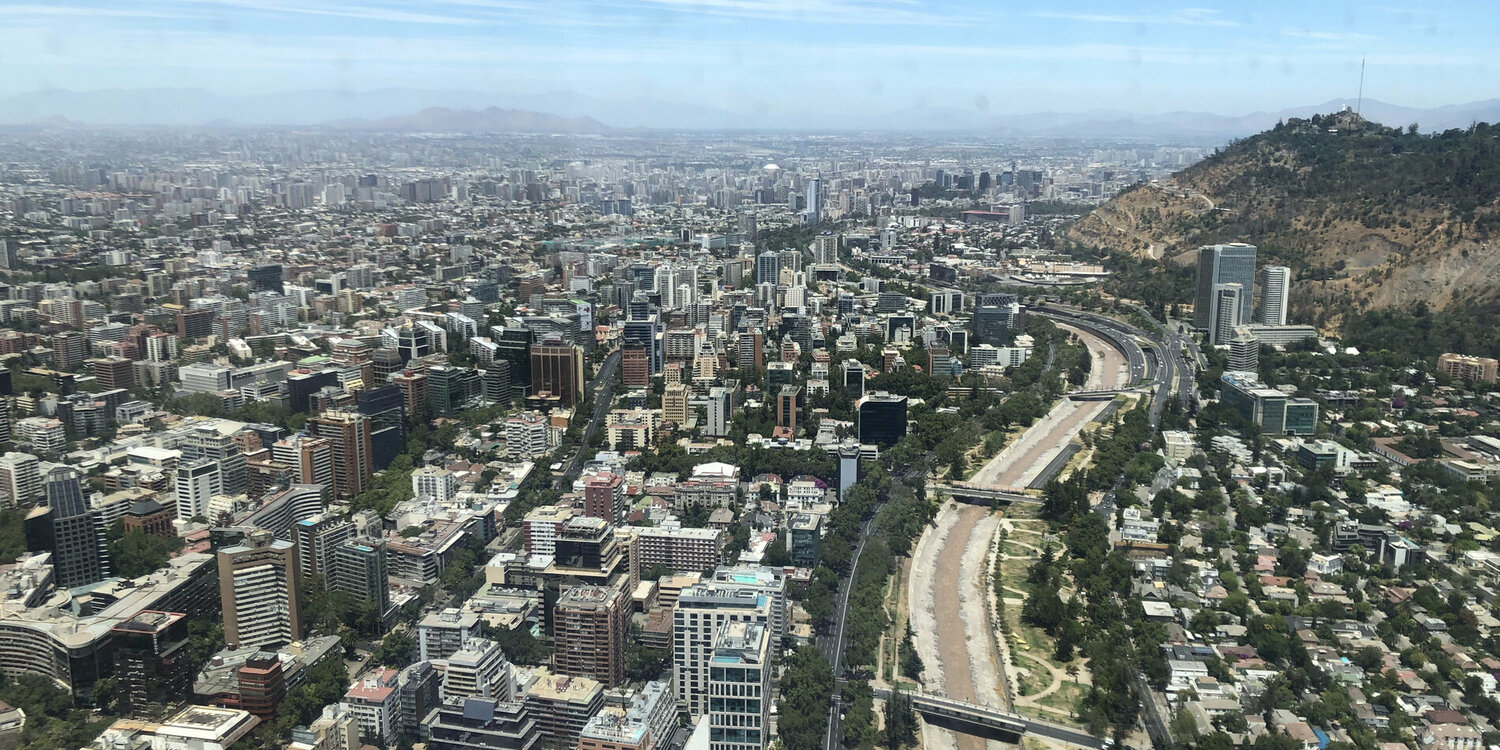
As droughts intensify, new modeling tech shifts water planning from reactive to strategic. It's a smarter way to manage scarcity at scale.

A four‑class system for Paris compliance—from Target‑1.5°C to Exceedance‑2°C—simplifies complex climate data into clear, actionable policy metrics.
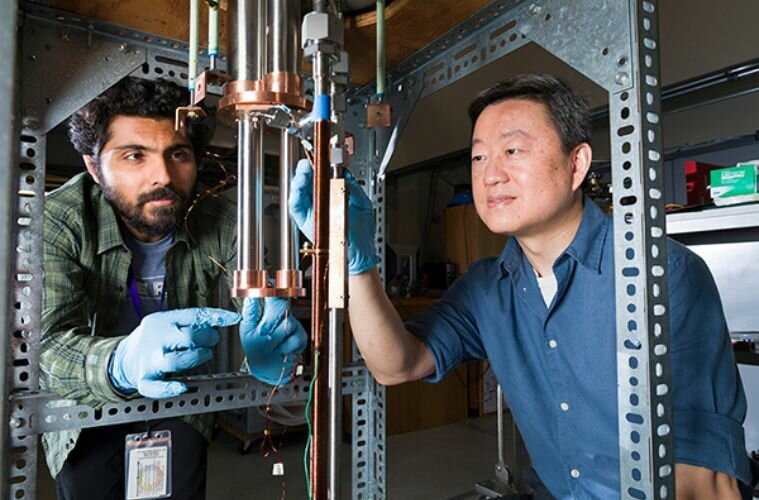
FAMU-FSU engineers unveil an integrated cryogenic hydrogen storage and cooling system powering a rapid zero-emission aviation toward commercial reality by 2035.
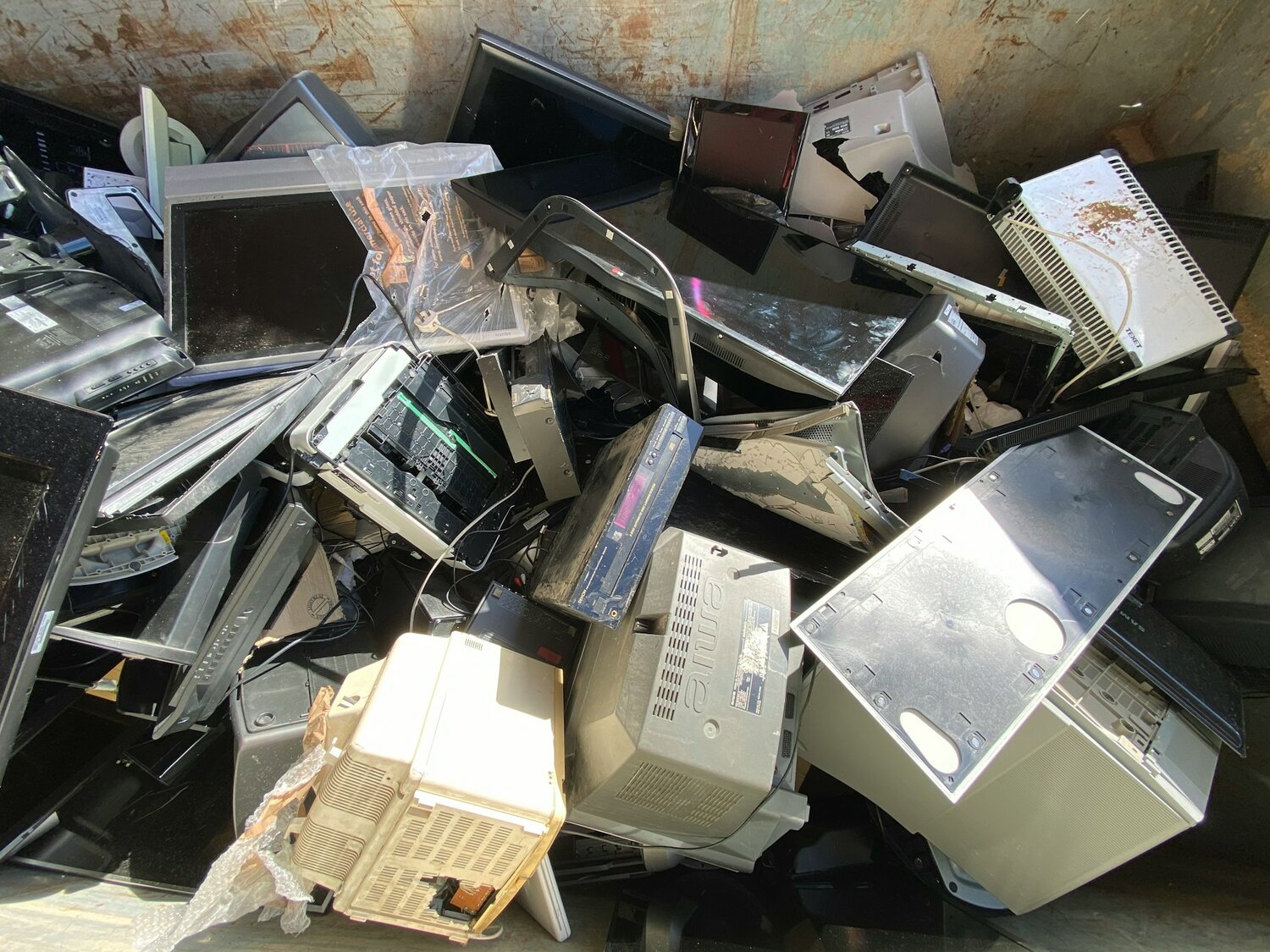
U.S. scientists are turning e-waste into a local source of rare earths. The tech uses less energy and fits into existing systems.
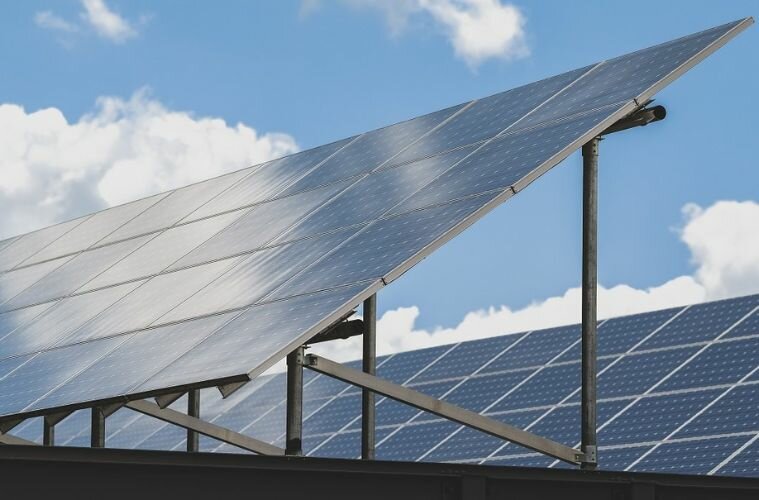
Virginia Tech advances its Climate Action Commitment with a 2.1 MW solar project, reducing emissions and expanding renewable energy education for students.
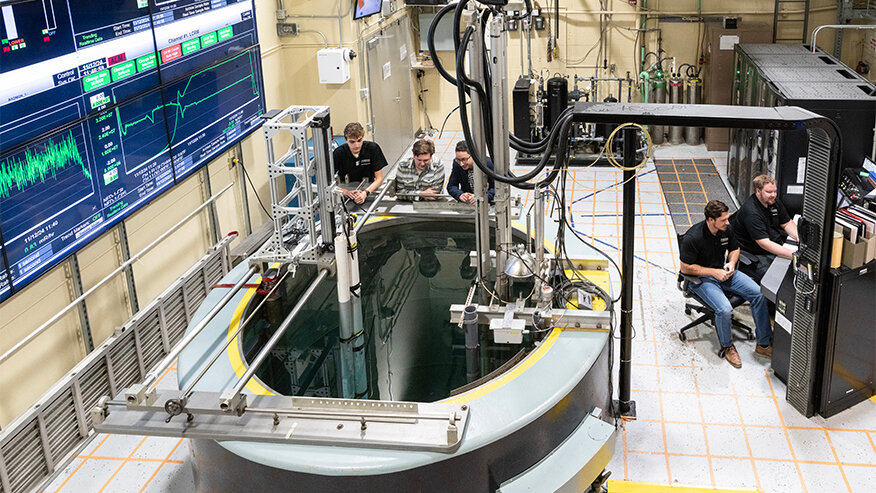
In Indiana, a small research reactor is rewriting nuclear’s future. With AI and digital tools, it's setting a new bar for innovation.

Wildfires are reshaping the carbon market. Forest offsets once seen as safe bets now risk becoming massive carbon sources overnight.
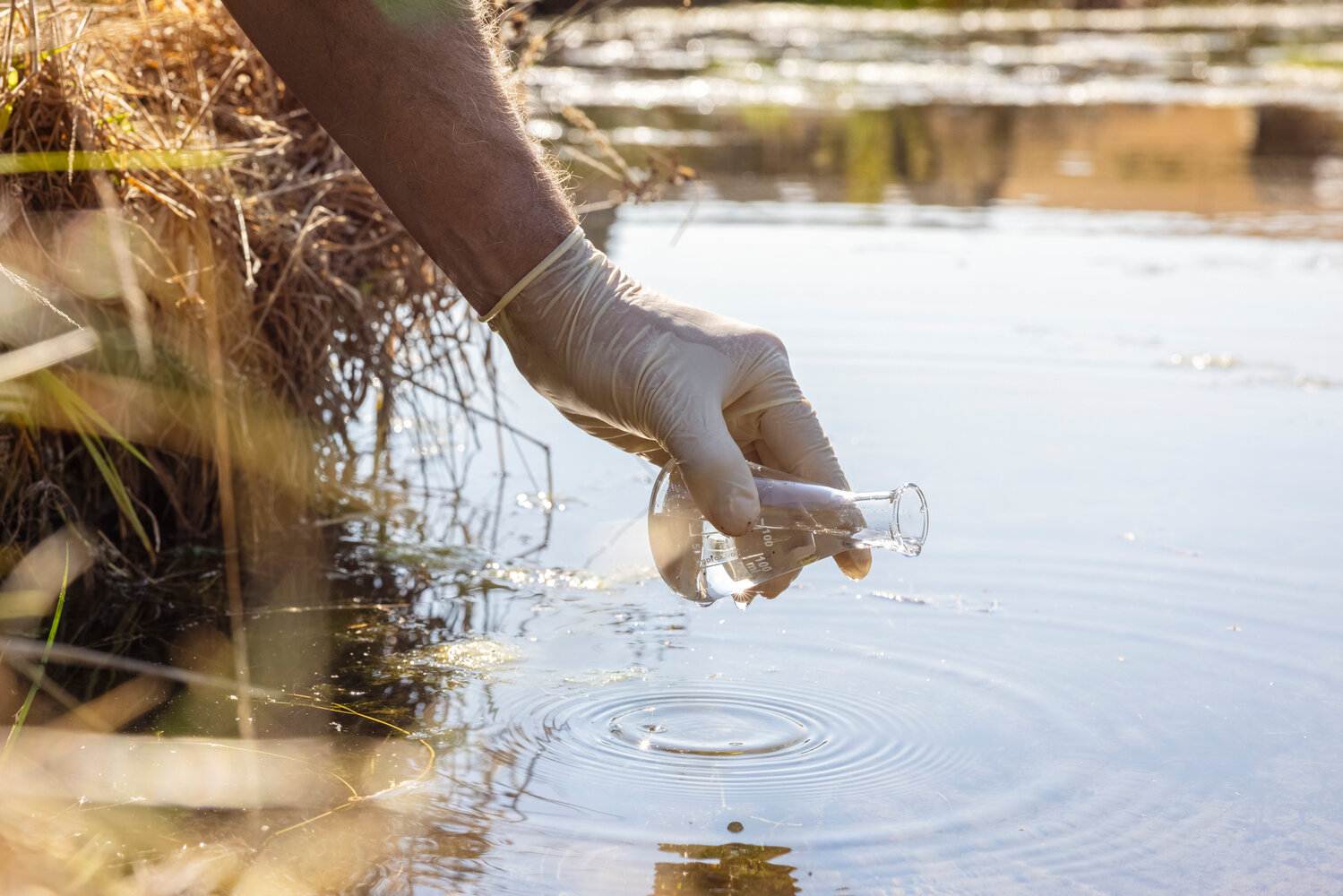
Antibiotics from human use are polluting rivers worldwide, raising health risks and forcing industry to rethink water management.

Texas bay sediments hold surprisingly few microplastics. But that means more are drifting into the Gulf, where long-term risks stack up.
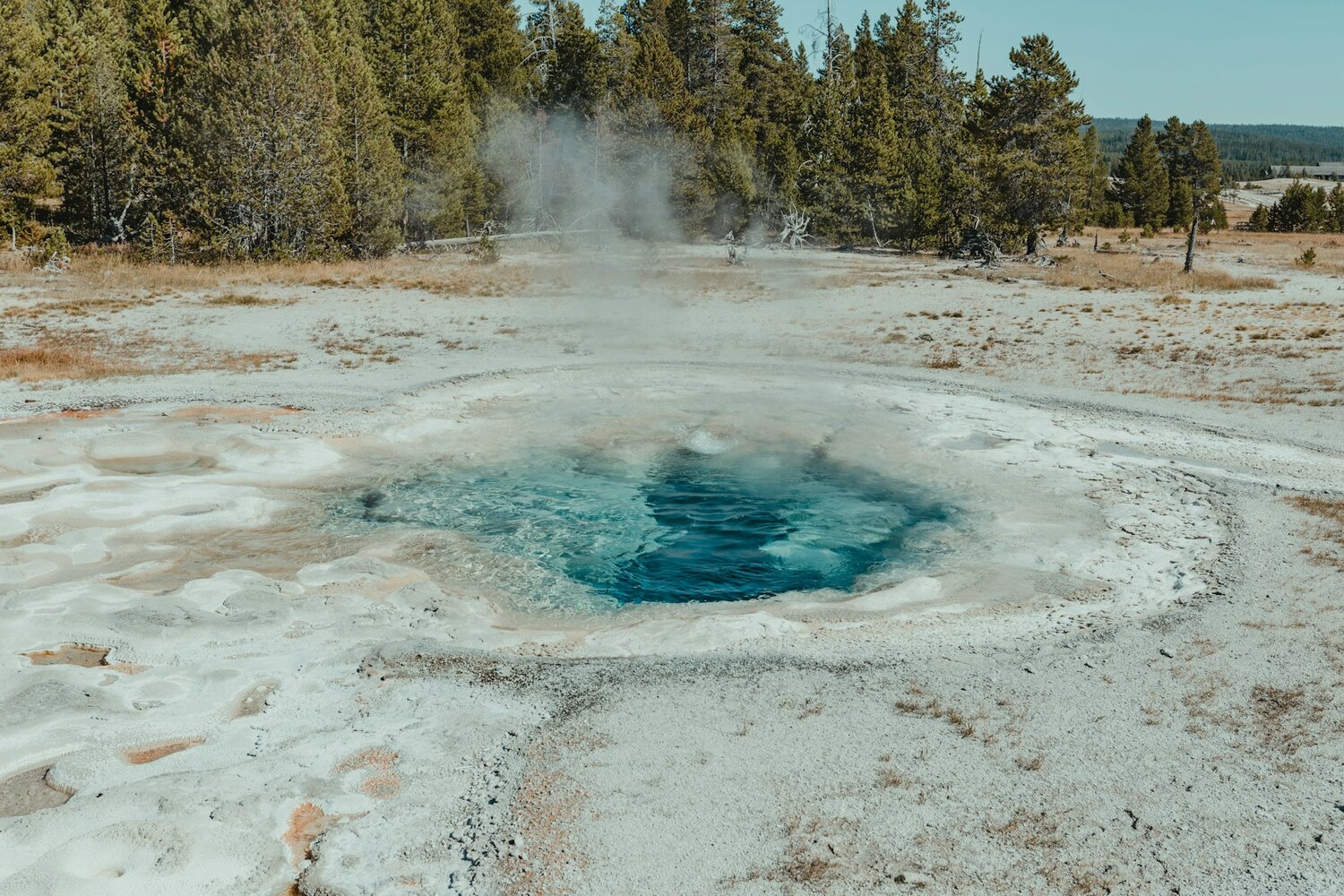
A mile underground, scientists are testing geothermal tech built to last. The goal: reliable, scalable power for energy-hungry industries.
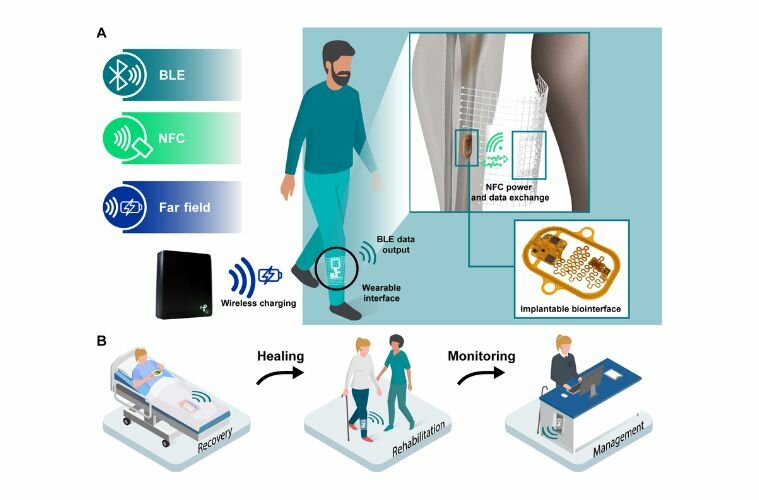
A new battery-free implant system offers continuous patient monitoring while eliminating toxic waste, advancing sustainability and healthcare innovation.
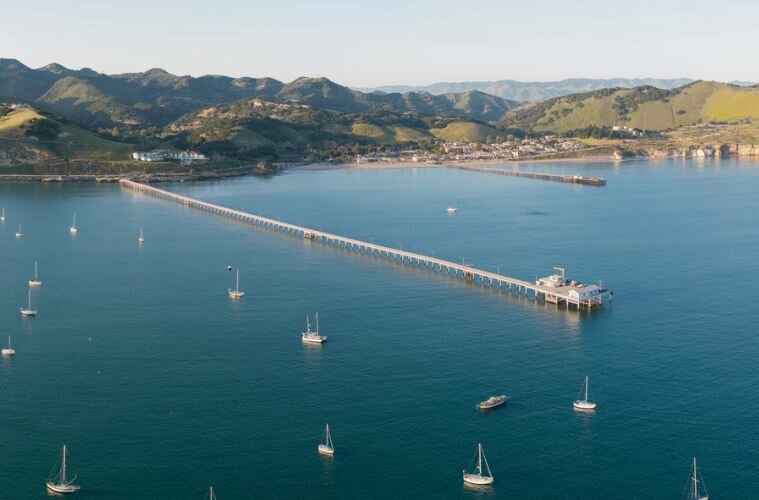
Cal Poly Pier is now the first DOE-approved open water site under TEAMER, providing critical access to accelerate wave energy technology and marine research.

Bird populations are dropping fastest where they were once strongest. New data tools reveal the hidden patterns reshaping conservation efforts.
Breakthrough research reveals the vast spread of microplastics deep beneath the ocean’s surface—thanks to innovative sampling and spectroscopic technologies that are reshaping environmental data collection.

A newly introduced bill in Rhode Island aims to ban products with intentionally added microplastics by 2029 while advancing state-led testing and strategy to address environmental and health risks.
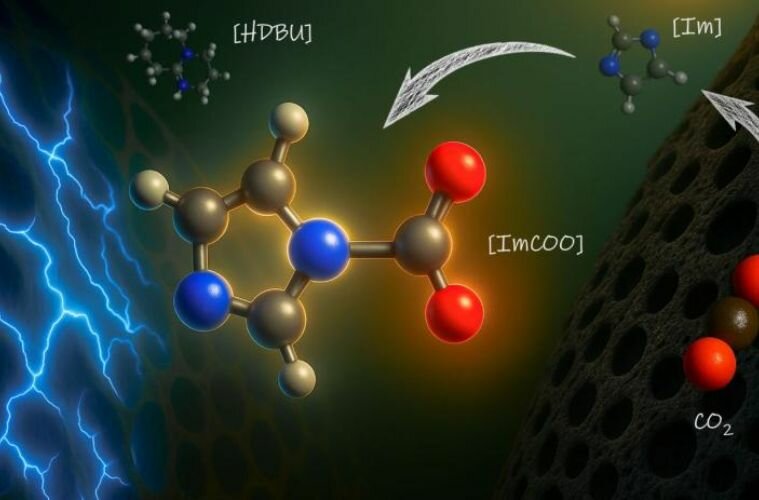
Scientists have developed a system that captures CO₂ and harvests energy simultaneously using ionic liquids, opening new pathways for sustainable industrial emissions management.