

Texas A&M is turning engineered clay into a practical defense against PFAS, VOCs, and more. These tools aim to reduce exposure before it becomes a crisis.
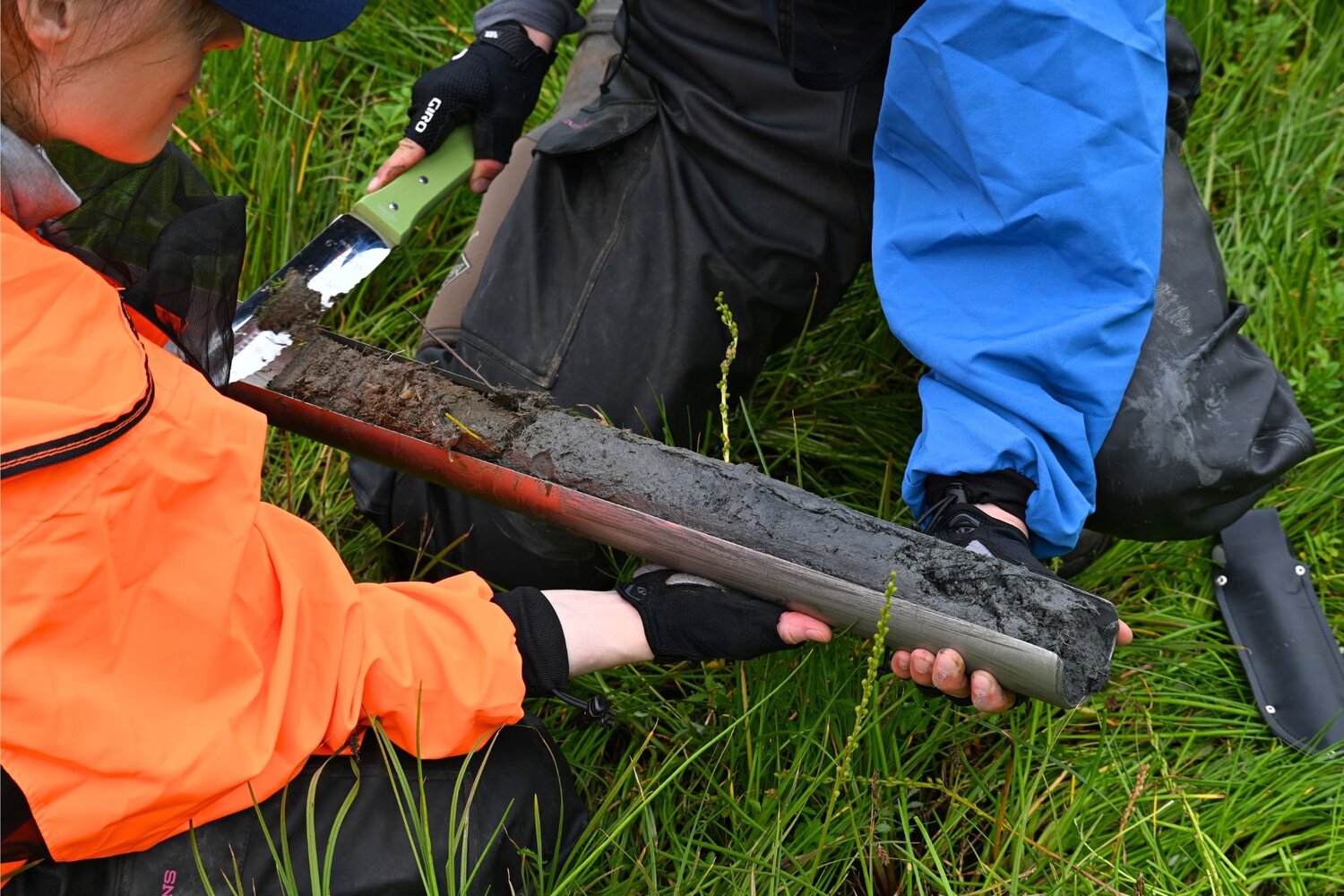
A new study finds common wetland carbon metrics may be overstating storage. The overlooked data gap could impact carbon credits and coastal restoration plans.

Revised climate-economy analysis finds that even after a full retraction and major corrections, low-emitting regions still face the highest economic losses.

New research identifies Dolichospermum as Lake Erie’s saxitoxin producer, raising climate-linked concerns as warming waters reshape harmful algal bloom dynamics.

A global review of 1.5 million adults finds exercise remains protective, but long-term exposure to polluted air sharply reduces its impact on mortality.

New research shows that shifts in Southern Hemisphere westerly winds can rapidly alter storm patterns, rainfall, and climate risk across mid-latitude regions.

A new Penn State study finds higher melanoma rates in counties with more cropland and herbicide use, raising concerns about agriculture and cancer risk.

A new anchor system from Texas A&M slashes mooring costs for floating wind. Built for renewables, it aims to streamline seabed access and project timelines.

A new EDF global survey finds 94% of agricultural lenders view climate change as a material risk and are adapting their portfolios accordingly.

AI servers could consume 245 TWh of power and over 1 billion m³ of water by 2030, making energy and water the real bottlenecks in the race to scale artificial intelligence.

A new rapid attribution study confirms that human-driven warming made Hurricane Melissa more intense, more destructive, and far more likely to occur.

Breweries nationwide create waste at several stages of the beer-making process. Repurposing parts of this waste could improve antibacterial drugs.

A new metallic gel from Texas A&M stays stable at 1,000°C and holds liquid metal in place—paving the way for mobile liquid metal batteries at last.

UC Riverside engineers discovered why LLZTO resists heat buildup. The finding could improve safety and efficiency in future solid-state batteries.

A new study finds climate risks are raising borrowing costs for developing nations, adding $62 billion in debt interest from 2007 to 2016.

Sodium-ion cells store 74 Wh/kg at −25 °C and charge at −100 °C, offering new reliability for wind, solar, and microgrids in extreme environments.

Tokamak Energy is deepening its U.S. partnerships to tackle fusion’s biggest hurdles, from neutron-proof superconductors to real-time plasma imaging tools.

New NIST, OECD, and global scientific reports define how businesses can build, measure, and disclose responsible AI practices in 2025.

Texas A&M researchers developed RADIANT, a cybersecurity system detecting stealth attacks on power grids and water systems without retraining.

Fermi America is locking in firm gas supply to power its HyperGrid campus near Amarillo. The deal supports 2GW of energy for next-gen AI infrastructure.