

Data centers now consume 3% of U.S. energy—a figure set to triple by 2030—driving unprecedented demand, price surges, and urgent calls for infrastructure upgrades.

A recent study reveals global heatwave hotspots are intensifying faster than models predict, urging policymakers, businesses, and communities to adapt quickly.

Cheap Flights: What They Really Mean for You exposes the environmental and economic trade-offs behind this convenience.

“Biomass energy now powers 98% of APP’s major facilities, showcasing our commitment to decarbonization.”

Oslo-based startup Sensorita uses radar sensors and AI to digitize construction waste bins, enabling optimized pickups and reducing manual checks.
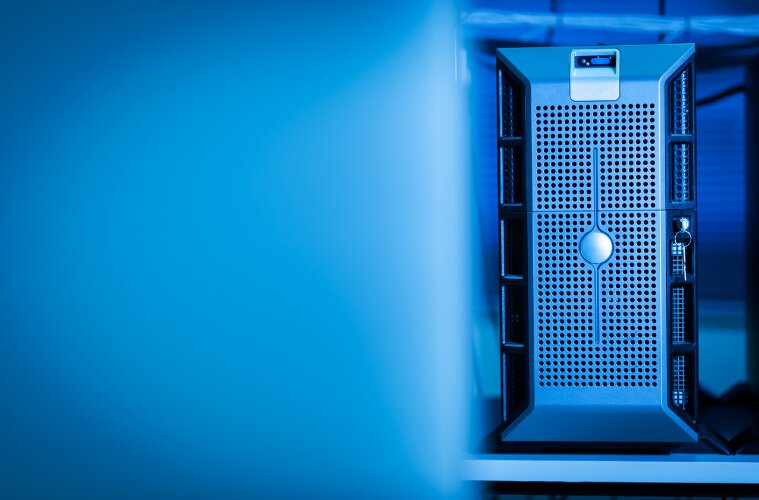
Delivering 600MW+ at full build-out, the facility will transform Caroline County into a data infrastructure hub.
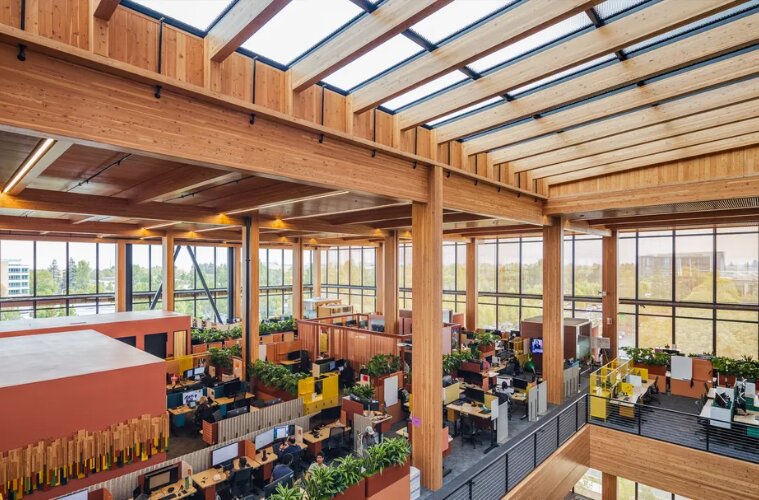
Designed with mass timber and eco-friendly features, this innovative space is a physical manifestation of the company’s global environmental goals.

With global data centers consuming around 1% of electricity worldwide, sustainability is no longer optional—it’s a necessity.

Advancements in AI and high-performance computing are fast-tracking fusion energy development, optimizing reactor designs and bringing commercial fusion closer than ever.

The global green technology and sustainability market is projected to grow from $17.21 billion in 2023 to $105.26 billion by 2032, with a 22.4% CAGR.

Innovation and impact deserve recognition. Is your project or solution leading the way? Use this checklist to see if you’re E+E Leader award-ready.

The global market for Oil and Gas Sensors was estimated at $9.5 Billion in 2023 and is projected to reach $14.0 Billion by 2030.
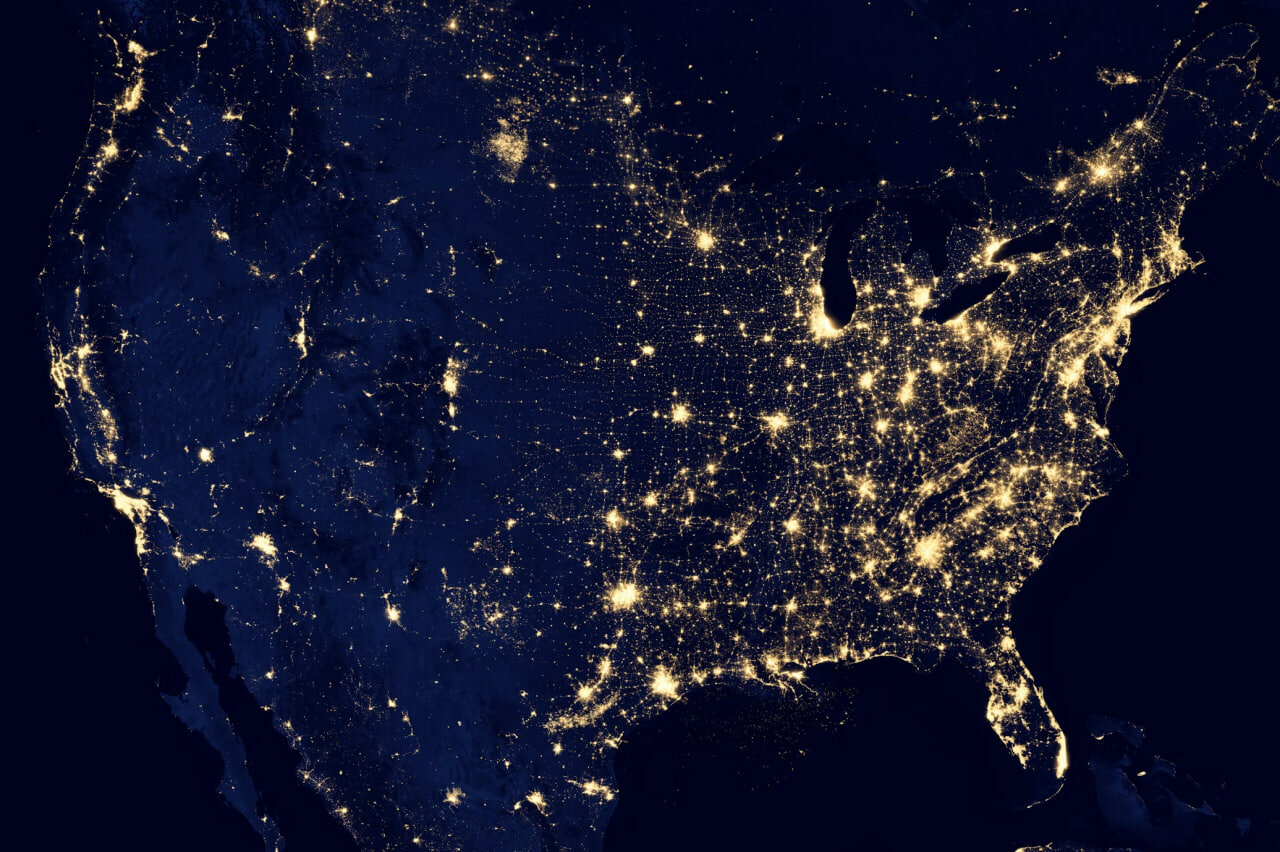
As renewable energy adoption rises, so does Total Harmonic Distortion (THD), creating challenges for grids and appliances. Real-time data uncovers the strain.
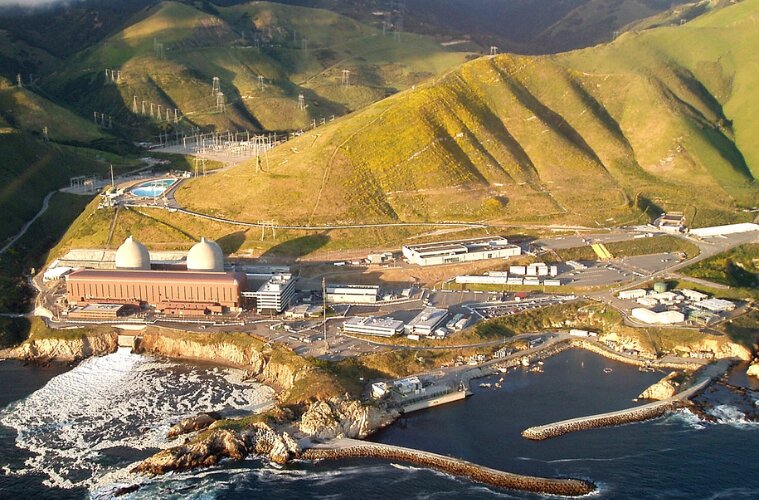
PG&E’s Diablo Canyon Power Plant becomes the first U.S. nuclear facility to deploy AI on-site, transforming data management and operational efficiency.

This breakthrough technology addresses a critical gap in current remediation methods and offers a cost-effective solution for industrial wastewater treatment.
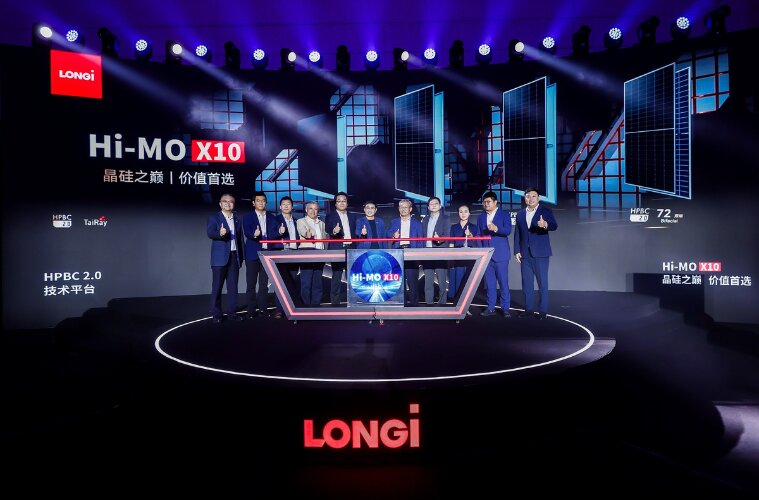
LONGi’s new Hi-MO X10 solar module debuts with revolutionary HPBC 2.0 cell technology, enhanced by advanced TaiRay wafers, promising unmatched efficiency, safety, and longevity.

You asked, and we listened! We’ve extended the submission deadline for the Environment+Energy Leader Product & Project Awards to December 20.

Breakthrough defibrillation method cuts energy use by 99.9%, promising less patient discomfort, longer device life, and safer, cost-effective cardiac care solutions.

The USDA has allocated $1.5 billion to support 92 conservation projects across the U.S. This funding includes $21 million for New Hampshire projects.

University of Illinois Urbana-Champaign study reveals a new way for farmers to capture excess phosphorus from drainage water and repurpose it as fertilizer.