
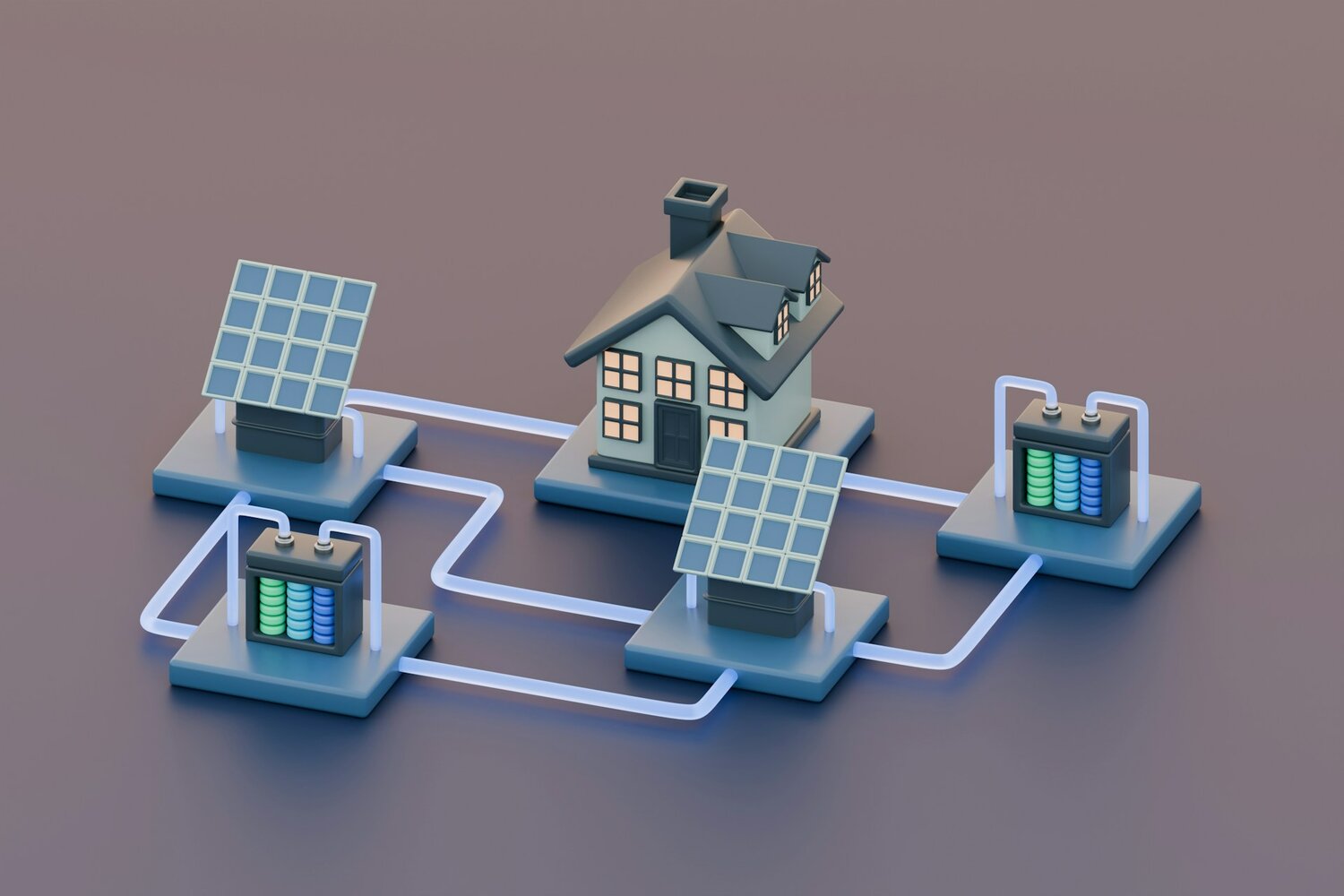
Most of the company’s projects fall between 2 and 10 megawatts, placing them squarely within the distributed energy category. These mid-sized installations are typically designed to serve nearby communities rather than feed electricity into large centralized transmission networks.
For developers, that approach has become increasingly relevant as utilities and state programs look for resources that can be deployed closer to demand centers. The cumulative impact of dozens of these smaller installations can provide meaningful capacity while also strengthening grid resilience and improving local access to renewable energy.
The 125 MW milestone represents only a portion of the company’s current development activity. Chaberton reports that more than 100 projects are now under site control, representing over 500 MWdc of distributed energy capacity. Altogether, its development pipeline exceeds one gigawatt.
Recent projects illustrate how that pipeline is beginning to translate into operating assets. In 2025, six community solar projects across Delaware and Maryland reached mechanical completion, adding roughly 17 MW of new capacity. These installations are designed to serve households and businesses that may not have access to rooftop solar.
Community solar programs have been a key driver behind this growth. By allowing customers to subscribe to locally generated power, these projects expand access to renewable energy while supporting state-level clean energy targets. As more states refine their community solar policies, mid-scale distributed projects are becoming a more common feature of regional energy planning.
Battery energy storage systems are also becoming a larger part of the distributed energy model. Chaberton has begun incorporating storage into its portfolio as utilities place greater value on flexible resources that can respond to changing grid conditions.
Solar generation often peaks during midday hours when electricity demand may be lower. Pairing solar with battery storage allows excess energy to be stored and dispatched later, particularly during evening demand peaks. This capability can help utilities manage load, reduce curtailment of renewable generation, and improve overall grid reliability.
Distributed storage can also support local grid stability by providing additional operational tools to grid operators. As renewable penetration increases across many U.S. markets, smaller storage assets located closer to demand centers are gaining attention as part of long-term grid planning strategies.
Alongside its energy projects, the company has introduced a community investment initiative known as the Chaberton Cares program. The effort allocates $5,000 per megawatt of distributed energy developed, directing funds to nonprofit organizations in communities hosting projects. So far, 25 nonprofits focused on education and social services have received support.
As distributed solar and storage continue to expand, developers are increasingly positioning projects not only as energy infrastructure but also as local economic assets. With more than a gigawatt of potential capacity moving through development, Chaberton’s portfolio reflects a broader shift toward community-scale power as part of the evolving energy landscape.


