

The steel industry’s decarbonization efforts are lagging, with persistent coal-based production threatening 2030 climate targets despite gains in electric arc furnace adoption.
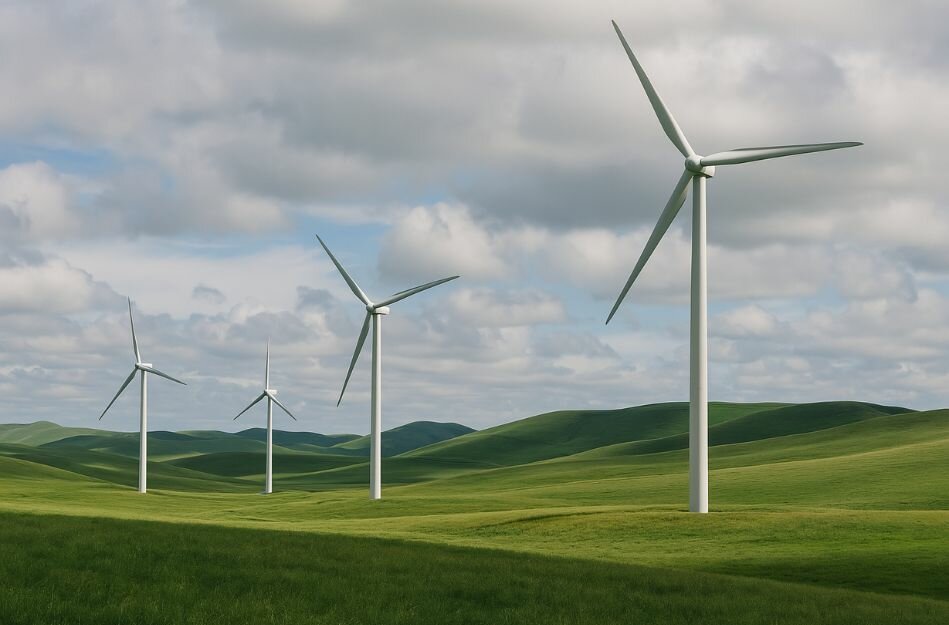
Oregon is shifting its wind energy regulations, raising the site certificate threshold from 50 MW to 100 MW. How will this impact developers and local permitting?

Data centers are using more power than ever as AI expands fast. The Northwest must balance digital growth with climate commitments.
Pennsylvania’s General Assembly advances Governor Shapiro’s Lightning Plan, passing key clean energy incentives. The EDGE Tax Credit and Community Energy Act aim to drive billions in investment and create energy jobs.

Texas bay sediments hold surprisingly few microplastics. But that means more are drifting into the Gulf, where long-term risks stack up.

The SBA is offering low-interest disaster loans to small businesses and nonprofits in Colorado and other drought-affected states. Learn how these loans can support economic recovery.
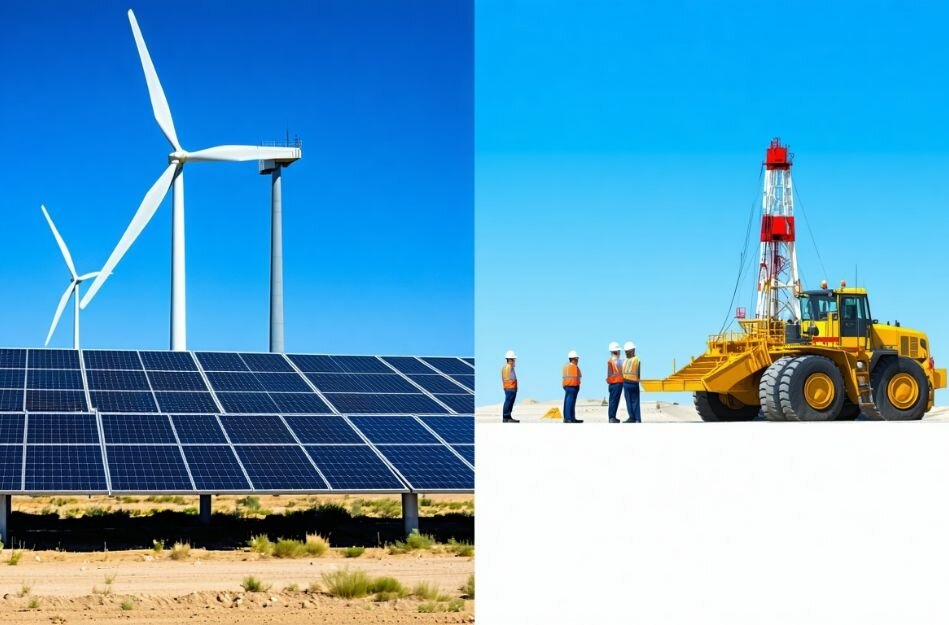
The Bureau of Land Management (BLM) announces major energy policy changes, including rescinding renewable energy incentives, streamlining oil and gas leasing, and fast-tracking permits.
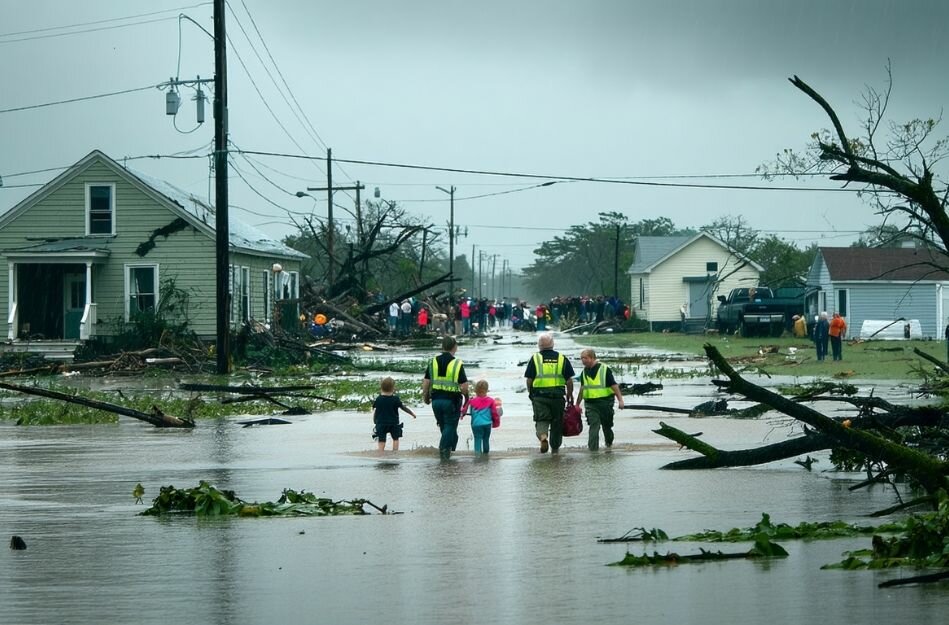
Climate extremes—including hurricanes, floods, and wildfires—are fueling mass displacement across the Americas. Governments must act swiftly to implement long-term solutions for resilience and recovery.

With gas supplies shrinking, Alaska utility leaders propose reviving the Susitna hydro dam—a controversial $5.6B megaproject paused since 2016.
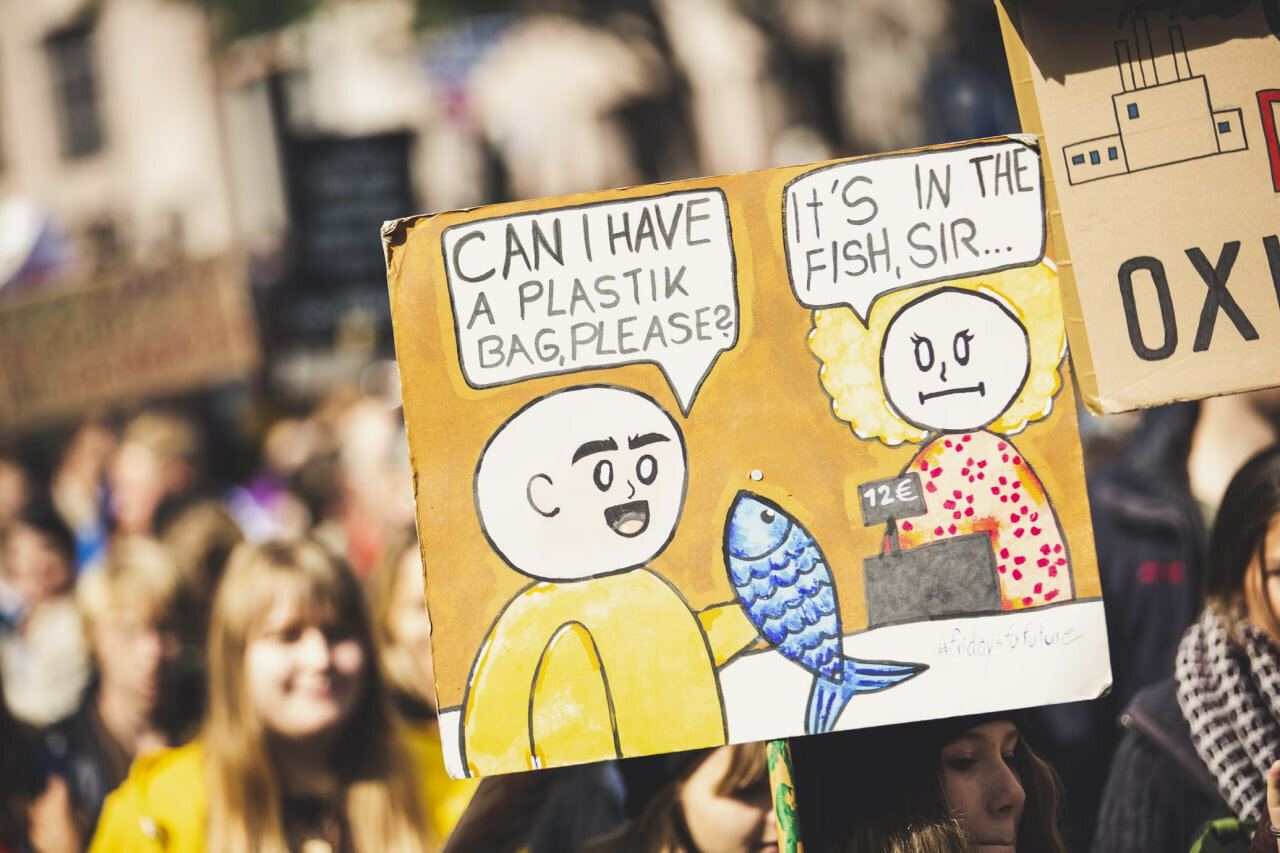
Synthetic chemicals in food are linked to serious health risks. Businesses that don’t adapt may face consumer backlash and new regulations.

dsm-firmenich Animal Nutrition & Health and Allix partner to integrate Sustell with feed formulation software, enabling automated sustainability analysis and advancing transparency in feed production.

New Hampshire’s HB 710 positions advanced nuclear resources (ANRs) as a key part of energy diversification, reflecting a broader U.S. trend of state-driven nuclear policy shifts.

Faerch introduces an rPET hot drinking lid designed to enhance sustainability in the coffee industry, supporting circular packaging and evolving regulations.

Delaware’s Senate Bill 72 requires public drinking water systems to report PFAS levels and mandates consumer notifications when contamination exceeds legal thresholds—advancing water safety protections ahead of federal timelines.

National Grid has launched a public consultation on Eastern Green Link 3, 4, and 5—key projects that will strengthen the UK’s energy security and integrate offshore wind power.

Maryland Governor Wes Moore signs SB 901 into law, making Maryland the sixth U.S. state to adopt Packaging Extended Producer Responsibility (EPR). The law aims to modernize recycling systems and support a circular economy.
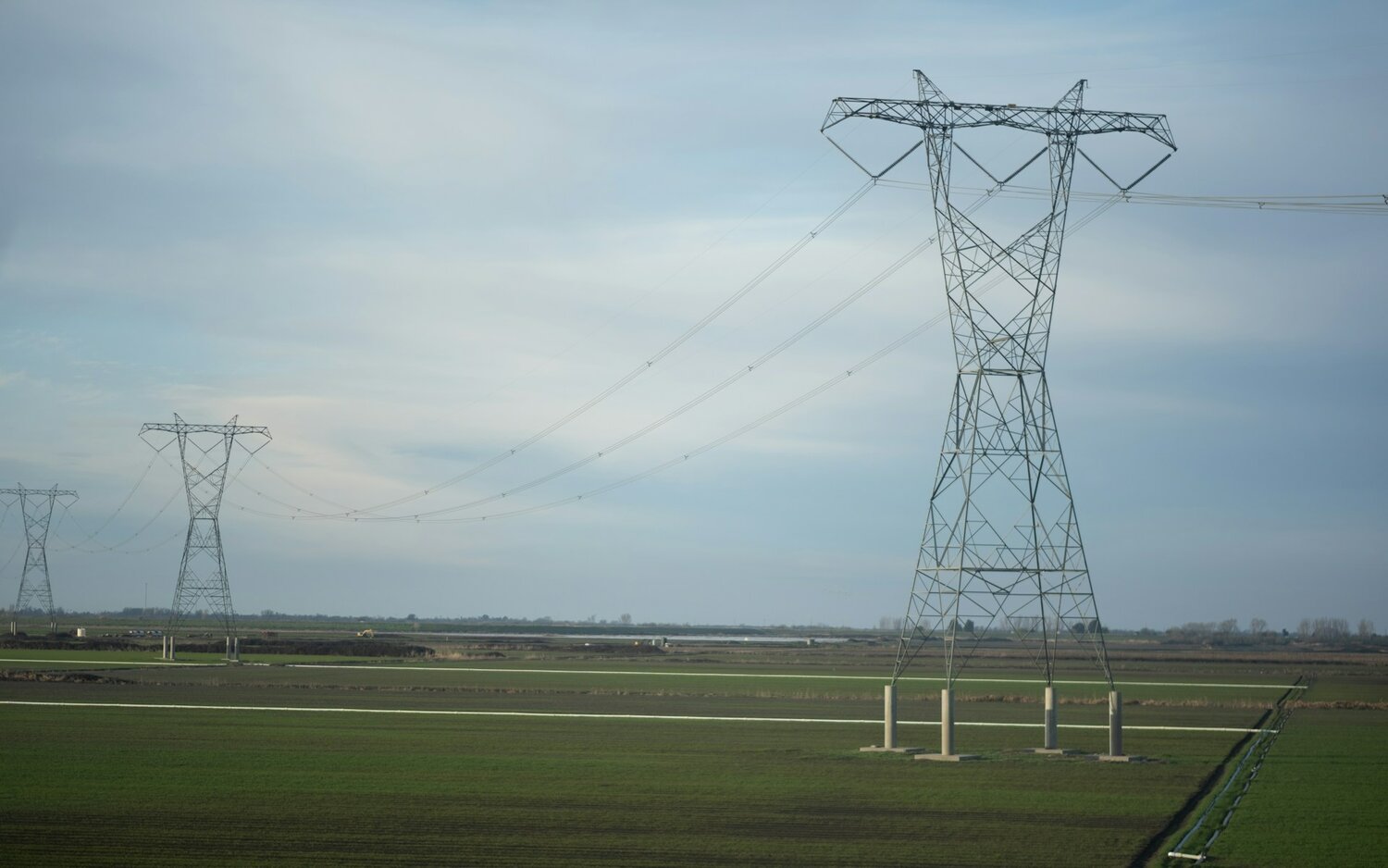
RESA Power adds MPPT to its Florida network, boosting field services. The move builds on past collaboration and extends testing capabilities.

Ireland’s green light for Kilvinane upgrades points to a shift in wind strategy. Aging assets are getting a second life—without new builds.

A new battery-free implant system offers continuous patient monitoring while eliminating toxic waste, advancing sustainability and healthcare innovation.

New research reveals how climate change alters persistent organic pollutant dynamics in global oceans, threatening marine ecosystems and food webs.