

Songbirds now treat the Corn Belt like a major barrier. New research shows farmland forces flight changes once seen only over oceans.

Half of Gen Z and millennials say they’re burned out. But they’re still showing up—and they want work that actually means something.
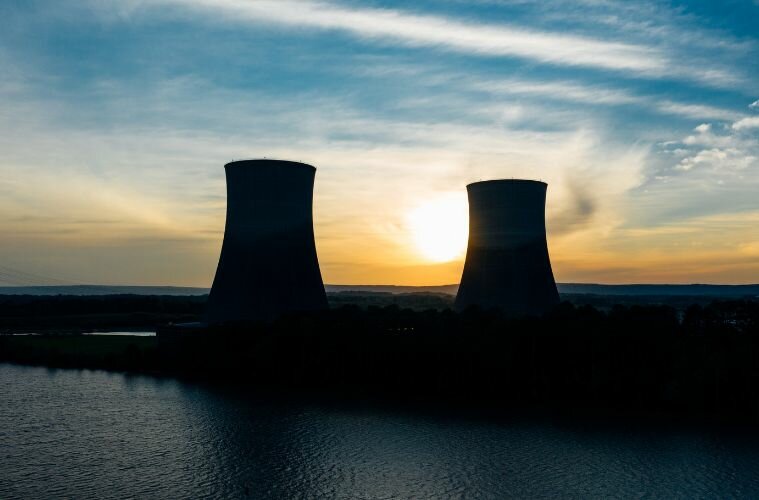
Tennessee’s HB 1133 expands tax exemptions for nuclear energy, supporting uranium processing and strengthening the state’s position in clean energy development.
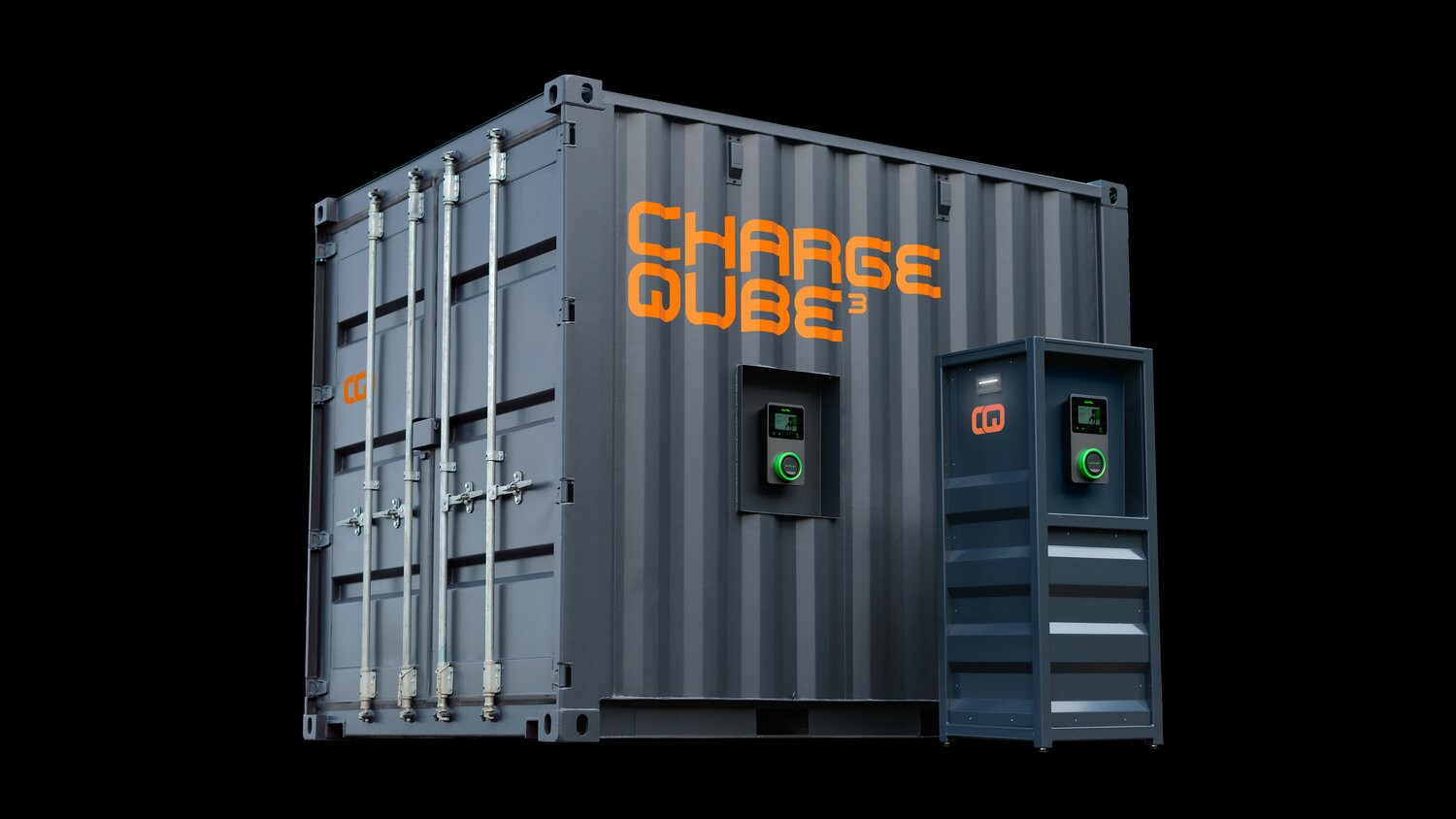
Addressing grid limitations, the Charge Qube delivers flexible EV charging via second-life batteries—supporting clean fleets, remote sites, and low-emission compliance.

Following a historic drop, hydropower output in the Northwest is forecast to increase 17% in 2025 due to stronger precipitation, though totals remain below the 10-year average.
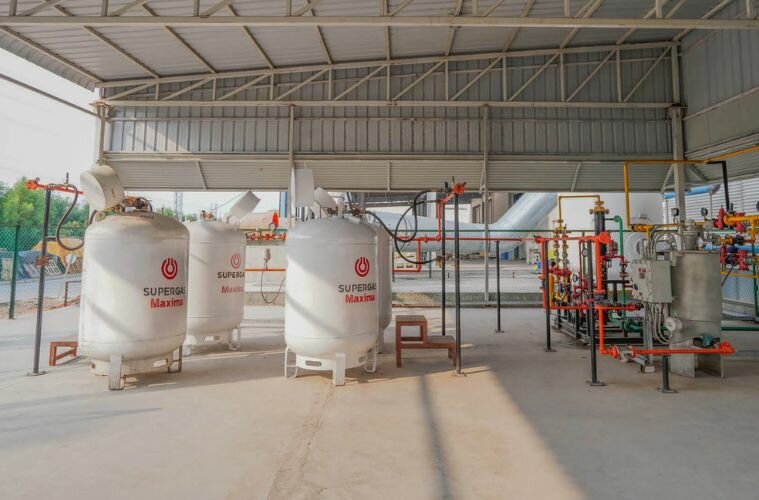
As the specialty chemicals market nears $900B, Micron Aerosols modernizes with LPG to meet rising sustainability and efficiency demands. Learn how Supergas supports safe, scalable energy transformation.

Paine Schwartz Partners embeds sustainability in food system investments, aligning financial returns with measurable environmental and social impact.
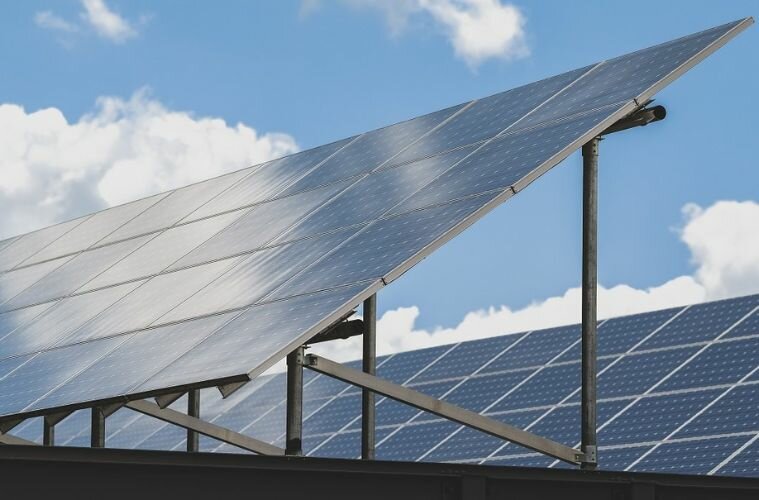
Virginia Tech advances its Climate Action Commitment with a 2.1 MW solar project, reducing emissions and expanding renewable energy education for students.
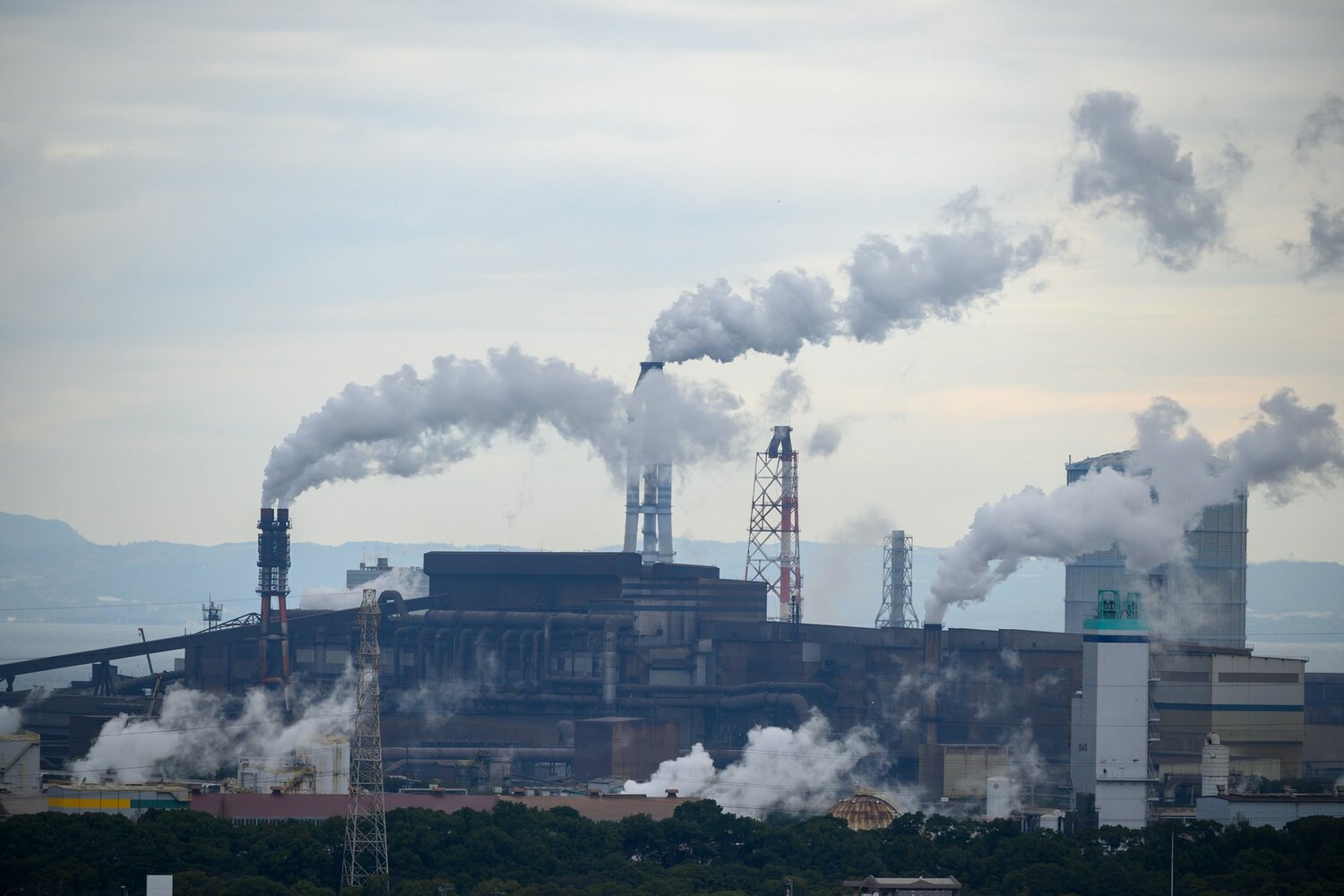
Air and water pollution are driving up compliance costs in key states. Businesses face mounting risks that impact quality and operations.
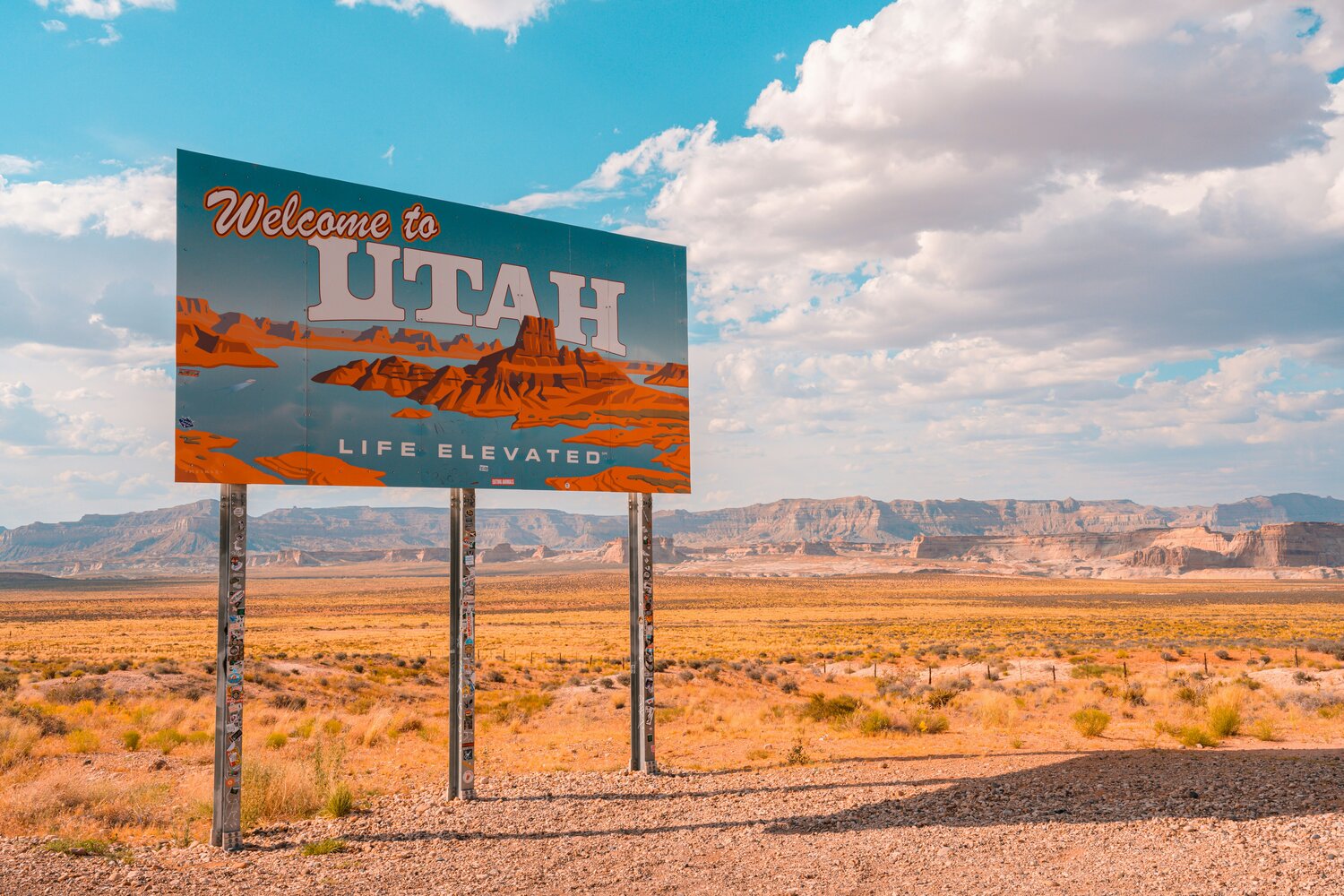
A uranium project by Anfield Energy becomes the first approved under Trump’s national energy emergency order, bypassing public input and fast-tracking permitting. Critics raise environmental and tribal concerns.

The gaming tech company has achieved ISO 14064-1 certification, enhancing carbon footprint transparency and reinforcing its commitment to corporate sustainability.

With climate disasters rising, North Carolina’s new law invests $1B in infrastructure and recovery. Can it create a scalable model for resilience?
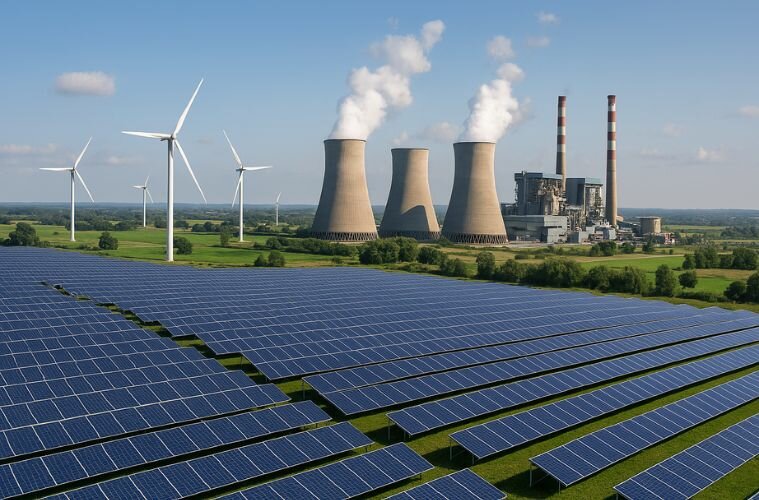
China has become the world’s first "electrostate," shifting from fossil fuels to a fully electrified economy powered by solar, wind, and battery storage. Yet, its continued coal expansion highlights the challenges of balancing growth with decarbonization.
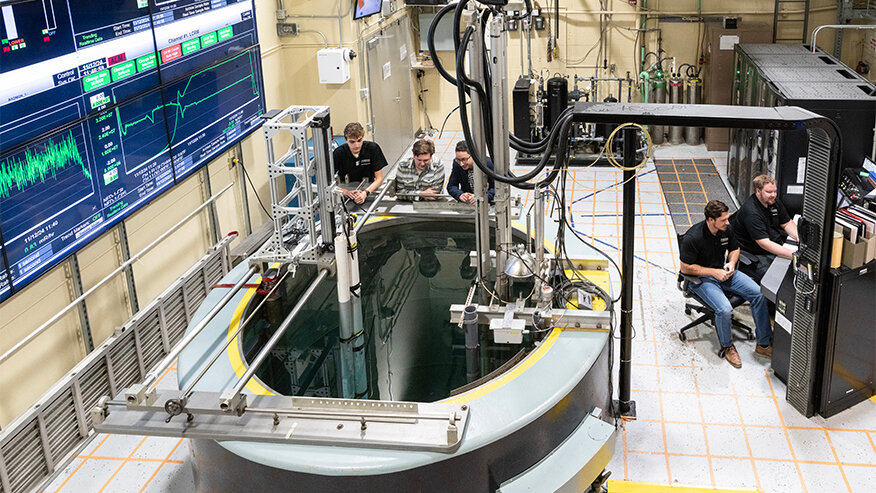
In Indiana, a small research reactor is rewriting nuclear’s future. With AI and digital tools, it's setting a new bar for innovation.

A new DAC project could help reshape the carbon market’s tech future. With validation underway, credits may arrive as soon as summer 2025.
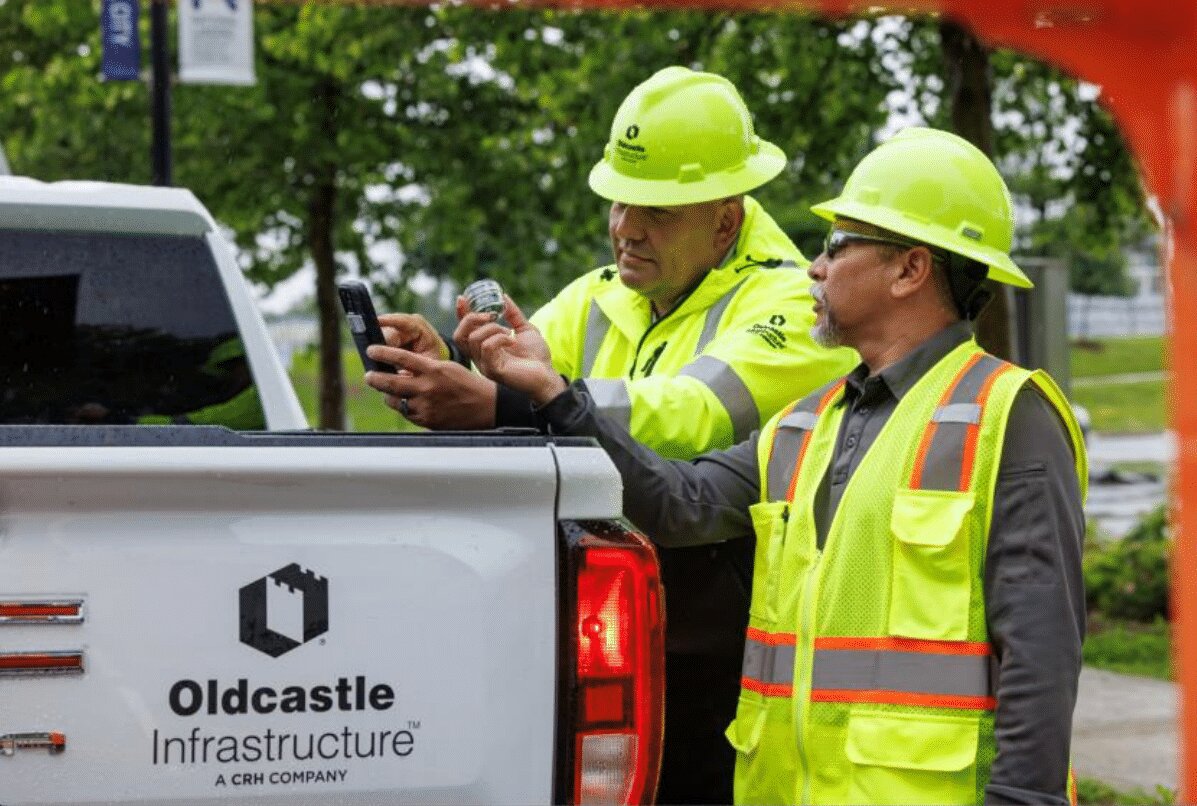
Water loss costs U.S. municipalities $8B a year. See how CivilSense™ uses AI to identify leaks and protect drinking water in communities like Bartow County, GA.
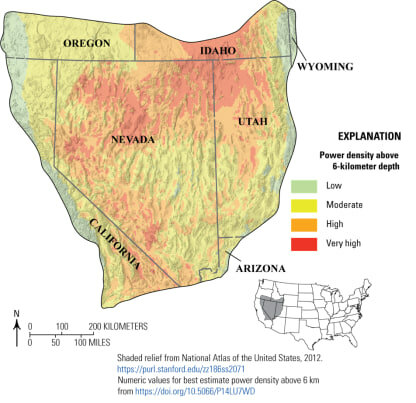
A new USGS study shows the Great Basin could power 10% of the U.S. with geothermal. The catch? Scaling up enhanced drilling tech.

Scaling up carbon removal won’t cut its impact. A new study finds afforestation and ocean-based methods stay effective at larger scales.
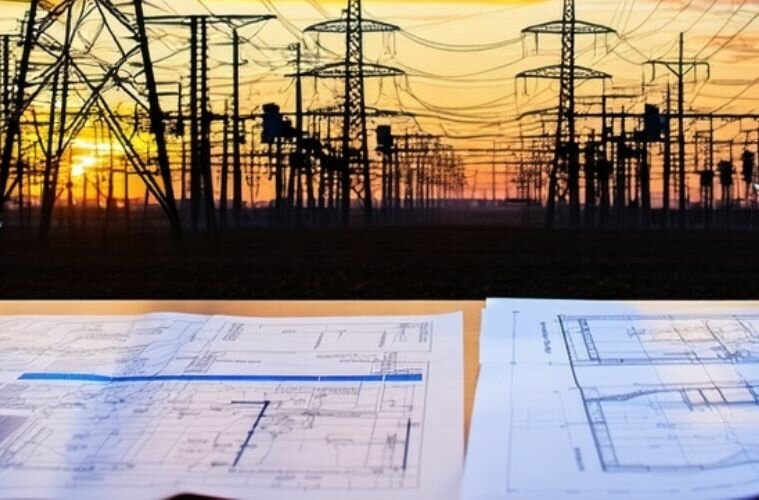
Texas Senate Bill No. 75 reinforces the state’s electric grid by establishing expert oversight and rigorous simulations to set new resilience standards that safeguard healthcare, water, communications, and transportation, ensuring public safety and economic stability.
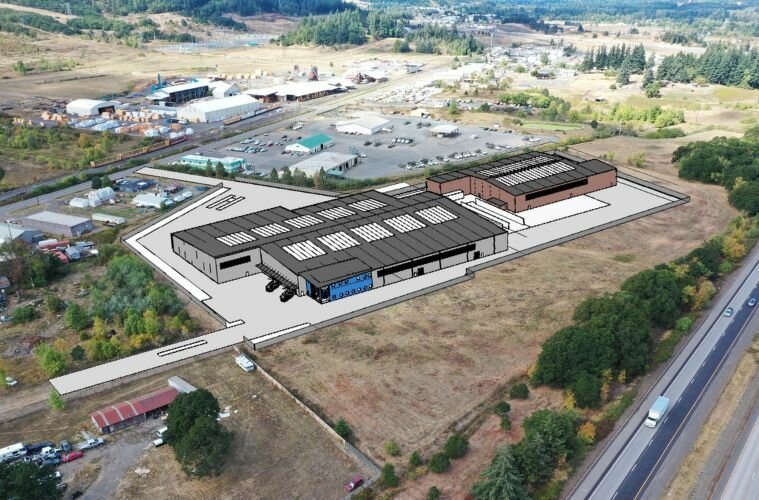
Oregon lawmakers consider a bill to support Lane County’s CleanLane project, a proposed recycling and methane extraction facility designed to extend landfill life and reduce emissions.