
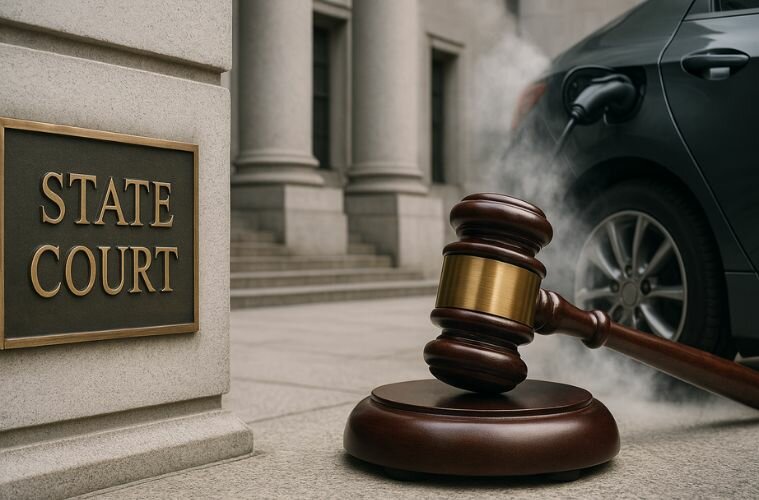
Eleven states sue to block Congress from overturning California’s EPA-approved clean vehicle rules via the Congressional Review Act.

A new partnership brings carbon-negative asphalt to U.S. roads. The tech cuts embodied carbon without changing existing construction methods.

Desalination, wastewater reuse, and bold policy shifts can secure the U.S. water future—if we act before scarcity becomes crisis.
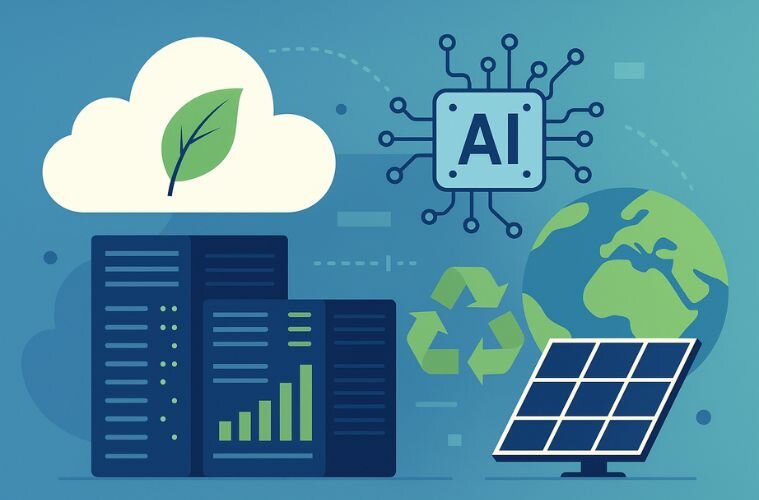
Kyndryl joins Google Cloud's Energy & Carbon Partner Program to help companies reduce emissions and optimize IT infrastructure for sustainability.

EPA awarded $267M in Brownfields Grants in May 2025, advancing redevelopment and economic growth as stakeholders prepare for the August training conference.

Europe’s chip sector is going green. A new $63.8M initiative targets waste, emissions and supply chain risks across the entire semiconductor lifecycle.

Glass makers push back after losing federal climate funds. The move sparks wider debate on equity and priorities in U.S. industrial policy.

U.S. farmers are pairing solar panels with crops to stabilize income. Agrivoltaics keeps land productive while generating clean energy.

The Chesapeake Bay scored a C in 2025, down 5 points. Long-term trends show improvement, but climate extremes and equity gaps pose new challenges.

AI's rapid growth is driving energy demand—and climate risk. But smarter tech, efficient design, and global collaboration could make AI a key climate ally.

Corporate risks are rising fast. Companies are turning to specialized partners to navigate complex ESG, supply chain, and compliance demands.
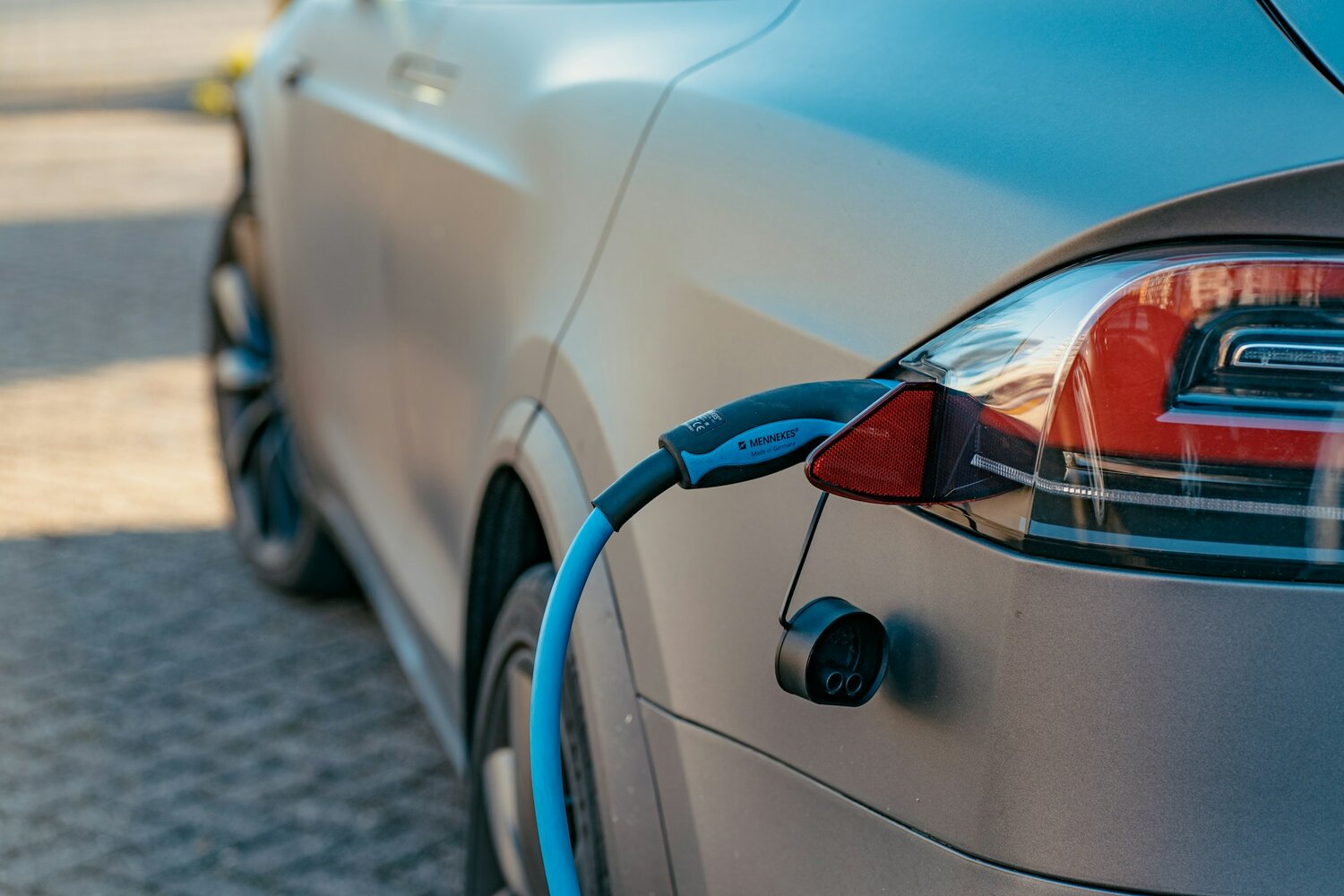
Europe’s biggest auto recycler is scaling up with a new dismantling center. The move supports demand for reused parts and closed-loop materials.
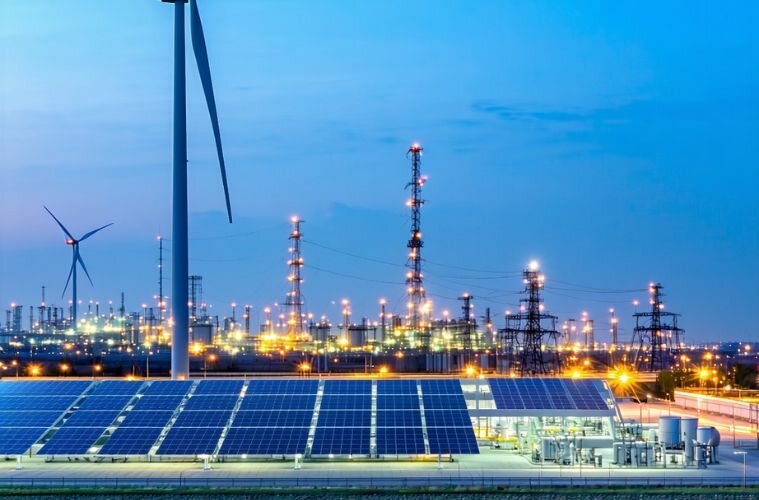
Louisiana forms a new energy task force to explore industrial self-generation, microgrids, and streamlined permitting to strengthen grid resilience and growth.

David Fotouhi’s Senate-confirmed role as EPA Deputy Administrator is under scrutiny due to past industry ties, raising questions about future environmental regulation.

The U.S. alone is expected to triple its semiconductor manufacturing capacity by 2032.

Hydrogen motorsport advances as Extreme H wraps final testing. The Pioneer 25 race car showcases fuel cell tech in high-performance racing.

Dover Chemical’s latest sustainability report shows strong product innovation and waste reduction but reveals setbacks in emissions and workplace safety.

New Jersey lawmakers advance a bill to automate residential solar permitting, aiming to cut costs, speed approvals, and help meet the 2035 clean energy goal.

Rhode Island Senate approves landmark textile waste recycling bill to increase public awareness and enforce industry reporting.

Hydrogen is rolling into California’s freight rail network. A new project will retrofit diesel locomotives with fuel cells to cut emissions.