

A new report shows Kentucky could cut $2.6B in energy costs by shifting from coal to clean energy. Delaying the transition may lock in higher utility bills.

Green-certified buildings aren’t living up to the promise. As performance gaps widen, investors are demanding proof of real energy and cost savings.

Claros and Daikin have completed a large-scale PFAS destruction run. The system treated over 170,000 gallons of process water in an active plant setting.

Plastic particles are showing up in human blood and organs. As scrutiny grows, bottled water brands face rising questions about long-term health impacts.

Clean hydrogen is emerging as essential U.S. infrastructure, shaping trade competitiveness, manufacturing resilience, and emissions performance in carbon-constrained markets.

Investors are reassessing energy and environmental deals as sustainability risk shifts from valuation premium to financial liability, impacting returns and deal closures.

Pennsylvania House narrowly passes HB 505, expanding utility energy efficiency, resilience, and conservation requirements with major implications for grid planning.

A PwC study finds restarting the V.C. Summer nuclear project could generate billions in GDP, support 10000 jobs, and strengthen South Carolina’s energy infrastructure.

Bears shift their diets as climates change—playing different roles in ecosystems. This flexibility offers a model for building resilience into complex systems.

Seventeen states sue USDOT over reversing federal transportation performance standards, arguing the move disrupts infrastructure planning and long-term investment.

China’s scale and clean energy edge give it real power to cut fashion’s emissions. A new report outlines what’s needed to make it happen—fast and at scale.
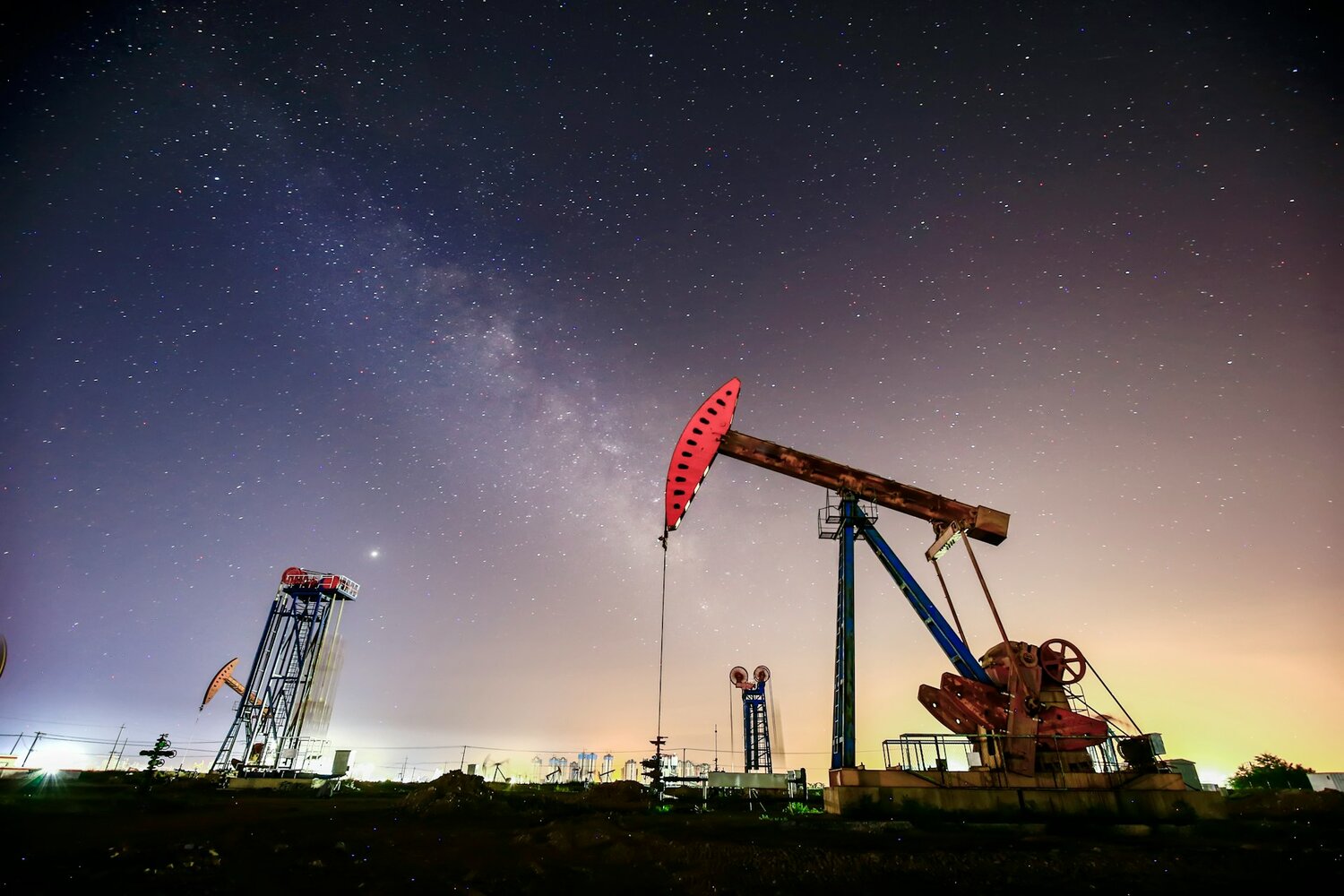
Big Oil brands itself as climate-conscious, but emissions cuts and clean energy spending still lag. For business, the gap between words and action is a risk.

ATR earns a CDP B score for the third consecutive year, reflecting management-level climate action, SBTi-validated targets, and progress on aviation decarbonization.

Vulcan Energy has tapped ABB to electrify its Lionheart lithium project. The geothermal-powered site aims to supply 500K EVs with low-carbon battery materials.

Albuquerque’s treecycling program diverts organic waste, reduces methane emissions, and provides free mulch for residents while supporting erosion control efforts.

AKFA Aluminum Solutions will open its first U.S. manufacturing facility in Kentucky, investing $80 million and creating 331 jobs in sustainable aluminum production.

Coal is declining in the West but expanding fast in Asia. A small group of markets and players now holds the power to shape global emissions for decades.
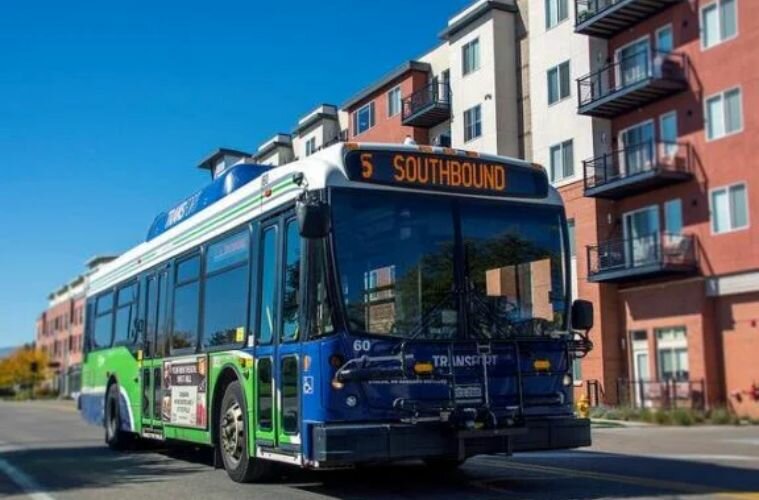
Fort Collins Transit will replace six aging CNG buses with FTA-funded low-emission models, improving service reliability and reducing NOx and PM emissions.

Minnesota’s new PFAS rule requires manufacturers to report intentionally added PFAS by July 1, 2026, with detailed product data, fees, and annual updates.

A new SEI–CEAP report warns that omitting animal health and welfare from the SDGs is slowing progress on public health, climate, and equity.